Early years assistant educator
Tan Poh Geok
Keeping the observation clear gives the teaching team room to compare perspectives and to make a decision with the wider context in view.
Creators
Find a teaching approach that speaks to you. Read each profile and explore the templates in its collection.
Search by name, role or teaching focus, or browse by year group and collection subject.
Explore the creators12 of 180 creators
Early years assistant educator
Keeping the observation clear gives the teaching team room to compare perspectives and to make a decision with the wider context in view.
Early years teacher
I teach an afternoon early years group, where learning may begin with an idea that has already been explored earlier in the day.
Lead early years teacher
Families can face many questions during a transition, and I want conversations to keep the child’s needs at the centre.
Early years assistant educator
I support Nursery groups across different sessions, so I value ideas that can travel with the teaching team while still leaving room for each group’s experience.
Early years assistant educator
Settling in is personal, so a useful idea has to start with what the family has told us about the child’s comfort and routine.
Playgroup teacher
Beginning a new setting can involve big changes for a young child and family, so I want our communication to be specific and honest.
Early years assistant educator
I support several early years groups during the afternoon, so I need routines that help me stay attentive as I move between rooms.
Pre-Nursery teacher
A sentence frame or vocabulary prompt is useful when it gives a child another way to express an idea, not when it narrows what they are allowed to say.
Early years class teacher
Families need clear information about the process and a chance to ask questions, while children benefit from adults who keep the focus on their needs.
Early years class teacher
I help children name what they want and what has changed during pretend play, staying close enough to support the conversation and help them return to playing together.
Early years class teacher
I want activities to be practical and sensitive to the group’s readiness, with space for the teacher to adjust the pace.
Early years teaching assistant
I can contribute observations and practical ideas, while the teacher brings the wider context and decides what belongs in the plan.
Early years inclusion lead
I work with families and classroom teams on practical inclusion plans that say what adults will try, what they will notice and when they will review the response.

Early years English language teacher
I use stories, rhymes, songs and movement to give children different ways to hear and use English, working alongside the class teacher to connect language with the wider day.
Early years music and movement teacher
I teach music and movement across early years groups and help plan activities that involve the whole body as well as listening.
Early years class teacher
I pay attention to the small actions that help children develop control and confidence, including the movements involved in early mark-making.
Early years teacher
Observation helps me understand what the child is communicating and what might make the next part of the day more comfortable.
Early years class teacher
I look for ways to describe what happened, identify what remains uncertain and think about what further observation might help.
Early years teacher
I extend children’s words in play and conversation while keeping their own meaning intact, using concrete prompts that support growing independence and relationships in everyday routines.
Early years English lead
I plan playful English sessions with songs, rhyme and movement alongside class teachers, connecting the language sequence to the group’s current activity and the wider learning day.
Early years English teacher
If I am writing a note for a family, I want to check my Vietnamese carefully so the message remains accurate and respectful.
Primary learning support specialist
A short plan can help the adults agree what to do, but it should remain connected to the pupil’s experience and be reviewed rather than filed away.
Primary English lead
I look for English resources that have a clear purpose and help pupils develop as readers, writers and communicators within the primary phase.
Primary art and design specialist
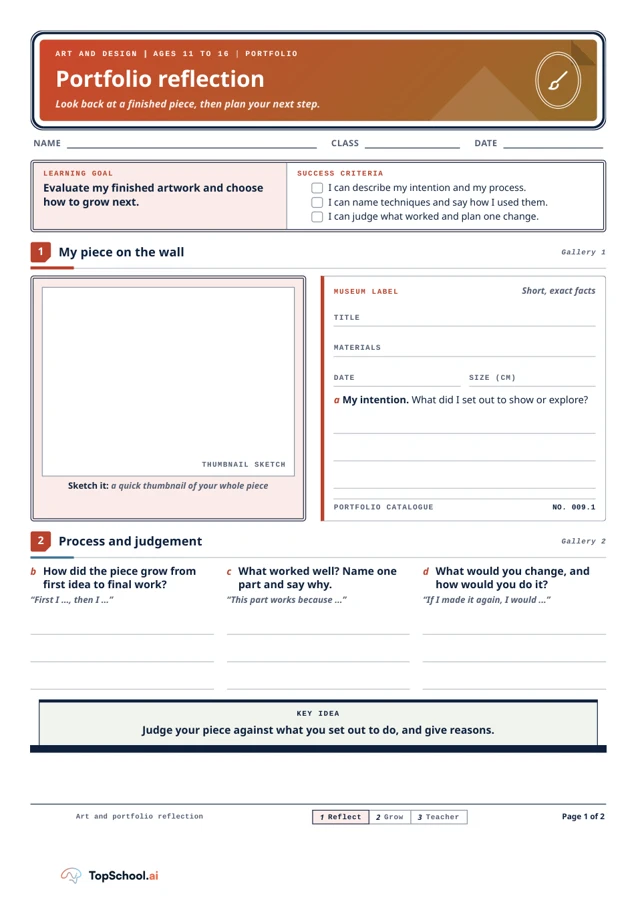
A finished piece is only one part of the process; the questions, revisions and decisions along the way can also give pupils something meaningful to discuss.
Primary English and literacy lead
I put reading for pleasure at the centre of a shared conversation, offering passages, questions, partner exchanges and listening so pupils have different ways into the same book.
Primary humanities and global citizenship lead
I begin global citizenship with people and perspectives already in the classroom, using shared questions, evidence and careful listening while respecting the variety of pupils’ experiences.
Primary mathematics lead
I use concrete materials before moving to pictures and then notation, and I do not skip the hands-on stage just because pupils appear ready.
Primary music specialist
Working with different year groups lets me return to musical ideas in varied ways, while keeping the purpose of each lesson clear.

Primary physical education specialist
A prompt or checklist can help pupils reflect on a skill, but it should not reduce physical education to a written task.

Primary science and inquiry lead
I want pupils to have room to notice, ask further questions and work with evidence before settling on an explanation.
Primary EAL specialist teacher
I support English as an Additional Language across Primary, often from inside the classroom rather than by taking pupils away from their peers.

Year 2 class teacher
I look for what pupils already know, then consider which example, representation or prompt might help them take a next step.
Year 1 homeroom teacher
A pupil may need to listen, use a gesture, try a word or practise it with a partner before sharing it with the class.
Year 4 class teacher
I plan Year 4 English, mathematics, science and inquiry around pupils’ different prior curricula, using clear purposes, examples and language so they can compare approaches and explain their thinking.
Primary science specialist
I teach Science as a specialist across the primary phase, with a focus on keeping the purpose of each activity clear.
Year 4 homeroom teacher
I plan adaptation before the lesson, choosing accessible texts, vocabulary support and preparation time so pupils with different starting points can join the same Year 4 conversation.
Secondary learning support specialist
I plan secondary learning adjustments as familiar tools in everyday classroom practice before examinations, discussing what helps and checking that teachers can apply the agreed approach consistently.

Head of Secondary and Geography teacher
A task should help pupils think or give the teacher something actionable to respond to; it should not simply generate more work to read and record.

Secondary EAL specialist teacher
A word list can help, but it is more useful when pupils see how the language works in a text, a question or a discussion they are already trying to follow.
Secondary physical education teacher
Covered-court planning forms a substantial part of my scheme, rather than being something to improvise when an outdoor lesson becomes difficult.
Head of Years 7 and 8
Transition into secondary school is not just a change of timetable; it can change how pupils see themselves and how they experience familiar strengths.
Secondary physical education teacher
I teach Physical Education across the secondary phase and start planning with the pupil who may be least ready to join in.
Head of Year 11 and Biology teacher
I bring Year 11 pastoral attention together with Biology teaching, noticing difficulty early and using questions, diagrams and explanations to decide where a follow-up or support is needed.
Secondary mathematics teacher
I build secondary mathematics from notation through small steps and whiteboard working, making pupils’ methods legible and allowing time to explain the meaning behind a calculation.
Head of Sixth Form and English Literature teacher
I ask sixth-form English Literature pupils to support interpretations with details, consider another reader’s view and develop thoughtful responses as they take more responsibility for their reading.
Sixth-form enrichment coordinator
I coordinate sixth-form enrichment through independent research, service and a skills portfolio, using clear milestones to protect time for these commitments alongside A Level study and revision.

Secondary mathematics teacher
I plan Mathematics for pupils bringing different curricular methods, using small steps and whiteboard time to make notation and working explicit before speed becomes a priority.
Secondary physical education teacher
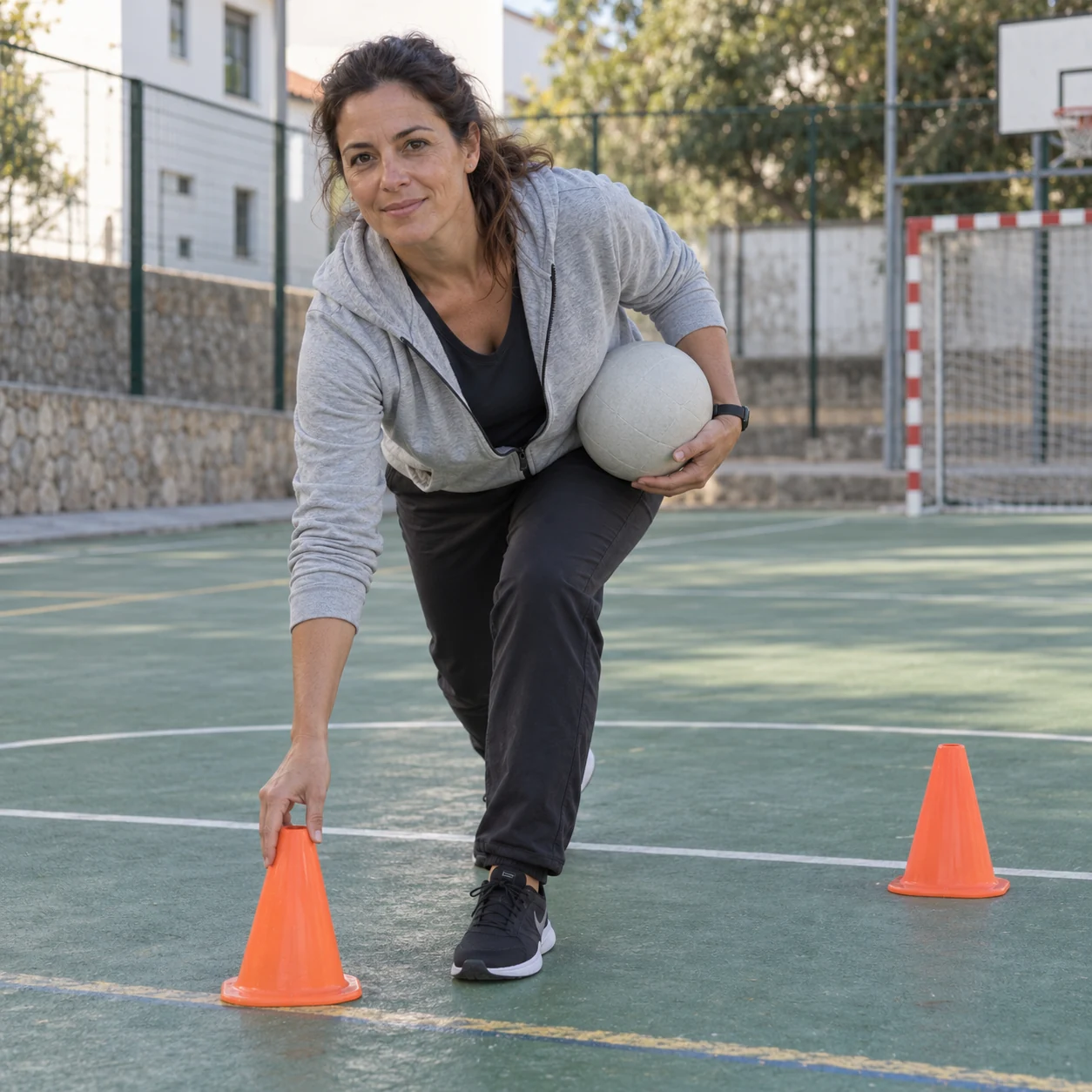
I begin secondary PE planning with less-confident pupils, organising participation around available facilities and time so the task offers a workable first step within our practical constraints.
EAL coordinator
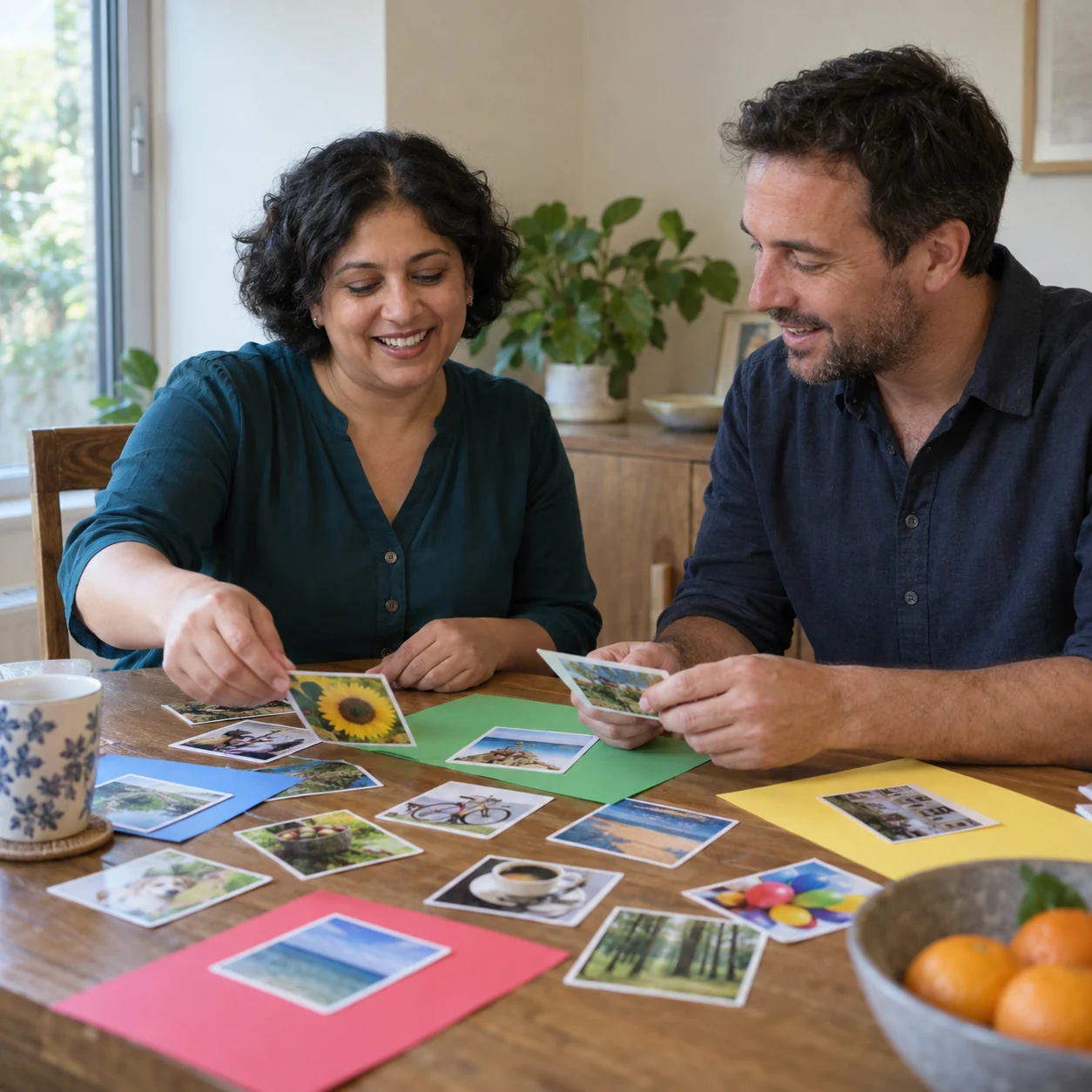
I help subject teachers identify the language embedded in their tasks and plan ways for EAL pupils to participate, listen and explain their thinking within the lesson.
Learning support specialist teacher
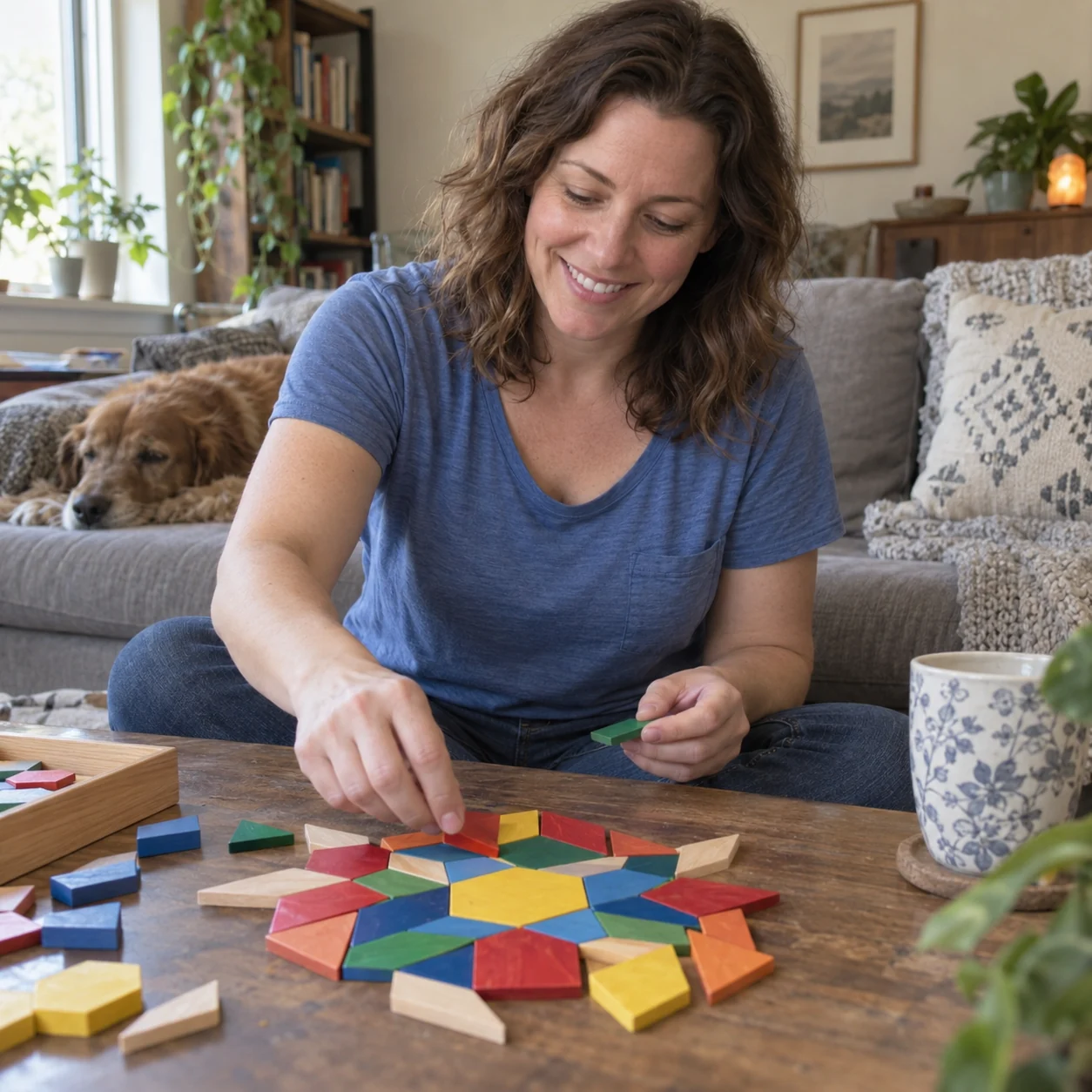
I coordinate access arrangements and targeted support through evidence of normal classroom practice, asking what barriers pupils meet, what has been tried and what teachers have observed.

Vice-principal, academic
If a scheme of learning and its assessment point in different directions, the assessment can end up shaping the classroom more strongly.
Vice-principal, pastoral and wellbeing
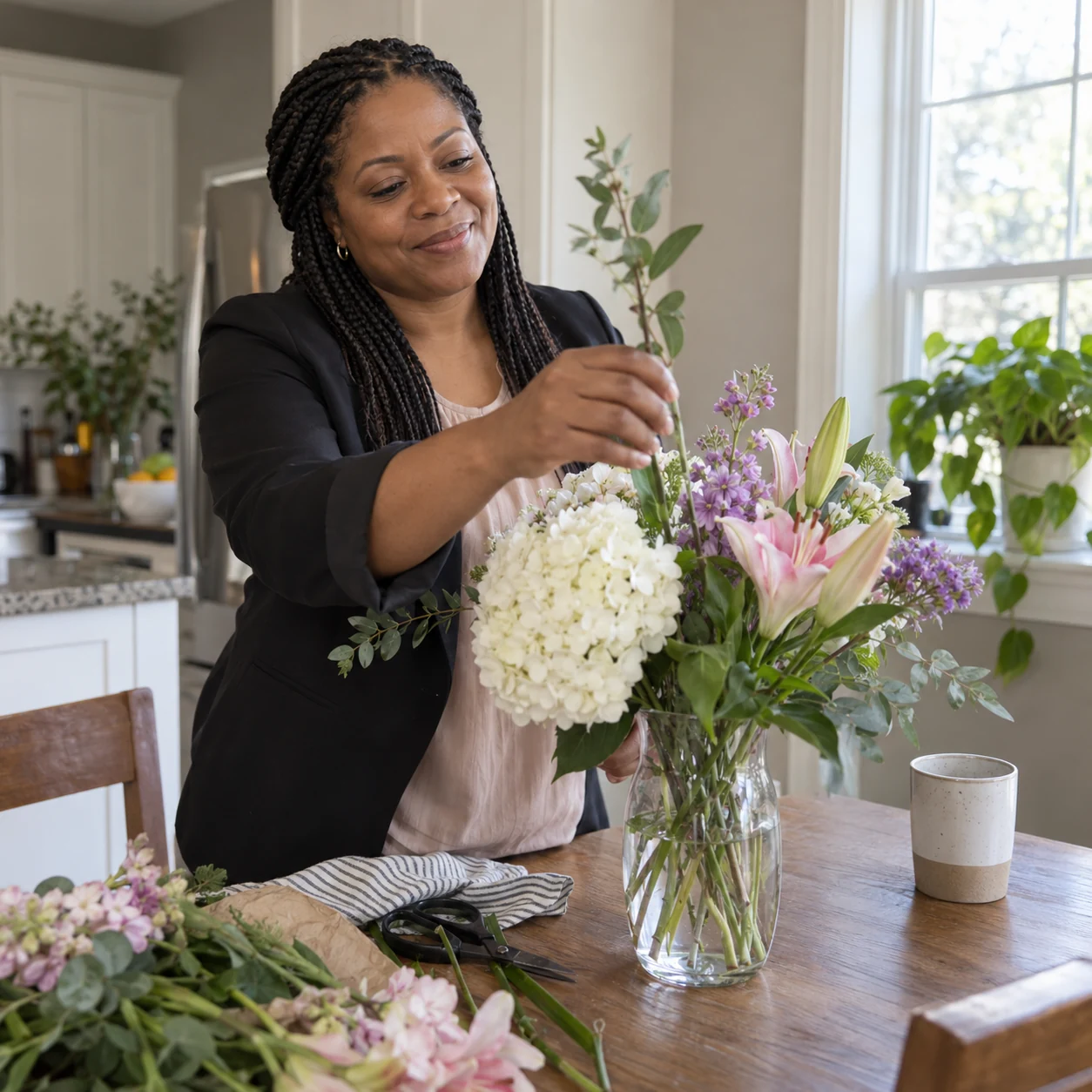
Restorative work can help pupils and adults look at impact, listen to one another and consider what should happen next.
School principal
Time is limited, so I want to remove tasks that do not help and give staff space to concentrate on the work that matters.
Head of EAL
I look for plans that show how a pupil can access the same important learning in a way that is appropriate to their current language development.
Head of learning support
Regular review gives families and teachers a chance to discuss what is working, what needs adjustment and whether a new support should be tried.
Head of Business and Economics
Business concepts become more useful when pupils can apply them to a decision or explain how one factor affects another.
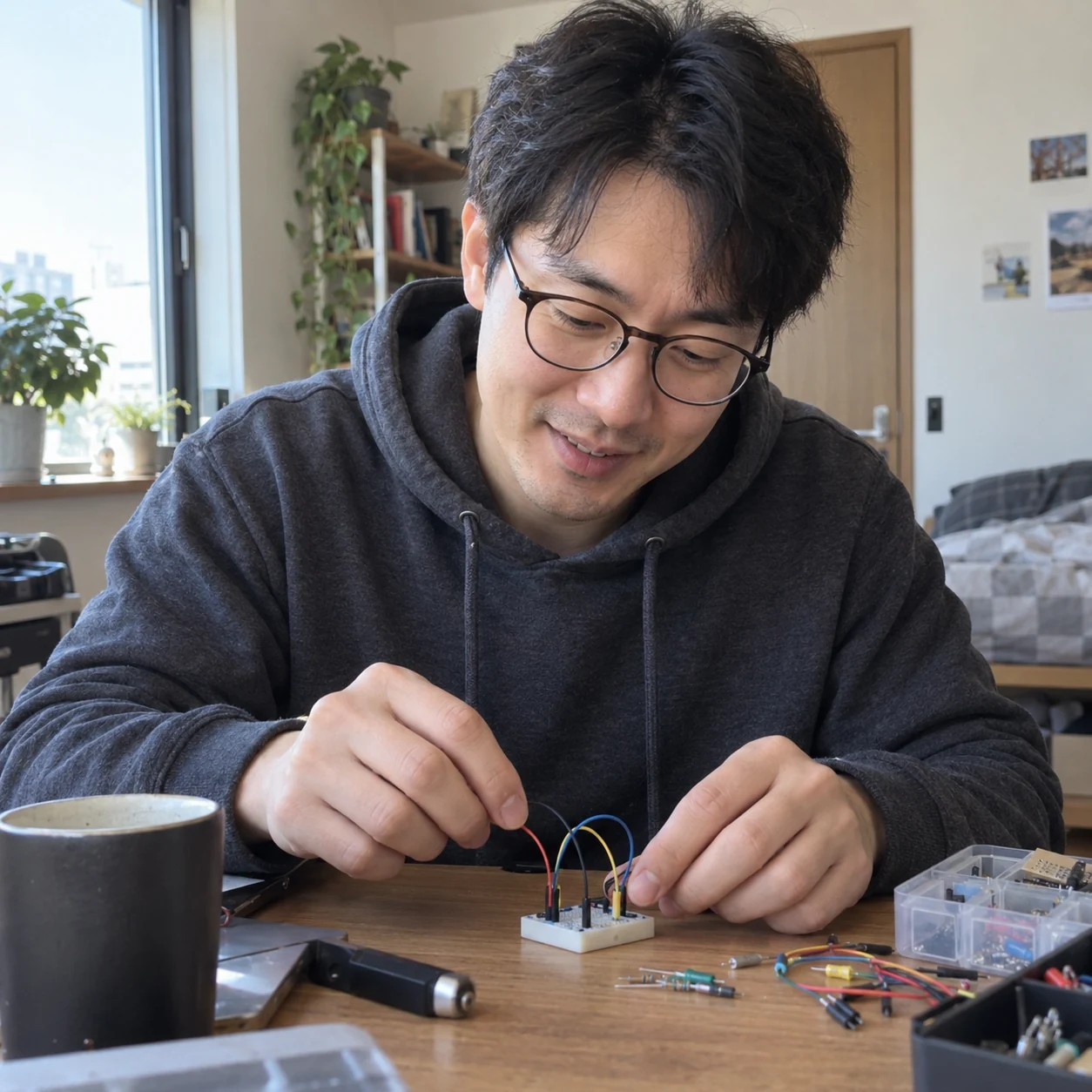
Head of Computing and Design
I teach debugging through working artefacts: pupils compare what they expected with what happened, change one part at a time and explain what they tested and improved.
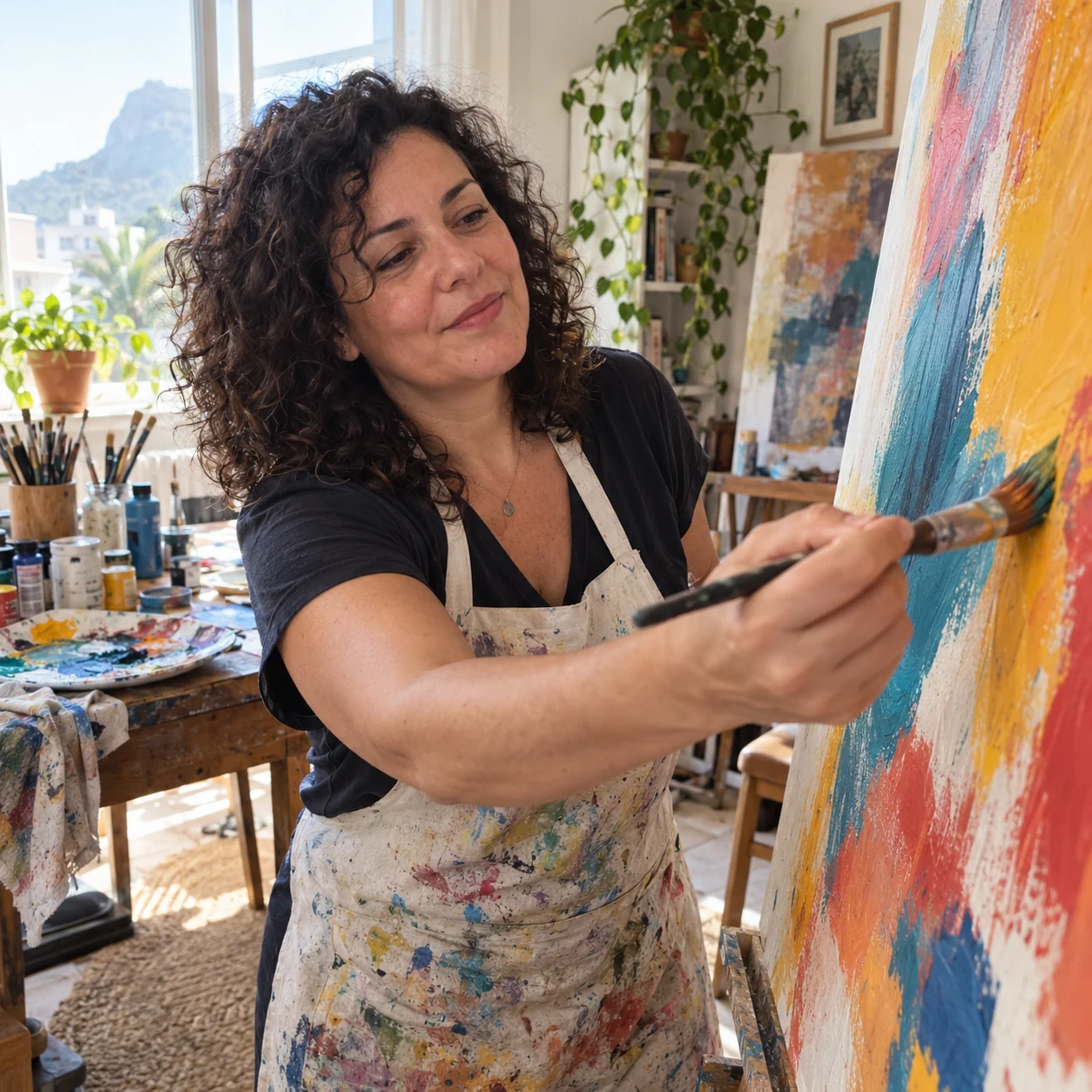
Head of Creative Arts
I ask pupils to reflect on their creative process: which materials they chose, what they noticed and what they might do differently after reviewing their sketchbooks.

Head of English
Drafting gives pupils a chance to shape an idea, test what they mean and make a revision with a purpose.

Head of Geography
I lead Geography across secondary and teach a Year 8 unit on the Mekong Delta in coordination with Vietnamese Studies.
Head of Humanities
I introduce History through sources that disagree and teach Global Perspectives through questions, evidence and competing views, asking pupils to support a judgement and identify what remains unknown.

Librarian and information literacy lead
I teach research through source comparison and evidence checks, asking pupils who produced information, how it answers their question and what limitations they need to record.
Head of Mathematics
I begin Mathematics with worked examples and deliberate practice, checking understanding before removing prompts so pupils can carry a method through and explain why it applies.
Head of Modern Languages
I prefer comprehensible input to long stretches of grammar drill: pupils need to hear and read language they can make sense of before they are asked to produce it with confidence.

Head of Physical Education
I want Physical Education to give every year group meaningful movement and a sense that improvement belongs to them, whether or not they already identify as sporty.
Head of Science
I want pupils to interpret practical data, explain what changed and what they measured, and reconsider their first ideas when observations suggest a better question.
Visual Art teacher
I work from the sketchbook outward, asking pupils to keep experiments and revisions, reflect on creative choices and discuss where their images and ideas came from.

Biology teacher
Mangroves, reefs and tropical ecology give us plenty to investigate, so I look for ways to connect the syllabus with what pupils can observe around them.
Economics and Business teacher
I ask pupils to draw the economic diagram before arguing a position, then connect its relationships and assumptions with a nearby example and a reasoned claim.
Chemistry teacher
Prediction gives us a useful place to begin: what should happen, why do we expect it and what evidence would help us check?
Design and Technology teacher
When something does not stand up or function as intended, we can ask why, identify a constraint and try another solution.
Drama teacher
I use roles, movement, voice and short improvisation to give quieter pupils a way into Drama, with supported participation and room to build on one another’s ideas.

EAL specialist teacher
I value collaboration that supports the pupil in the moment and helps the teacher recognise language demands in future planning.

English teacher
I pay attention when a class begins to disagree about a text, because that can be the moment pupils stop repeating a first response and start reading more closely.
French teacher
I teach French through meaningful communication, asking pupils to compare vocabulary, tone and grammar in context and choose language suited to a friend or a formal audience.

Geography and Global Perspectives teacher
I begin Geography and Global Perspectives inquiries with local places, maps and field observations, asking pupils to compare evidence and identify what their account still needs to establish.
History and Global Perspectives teacher
I often begin a unit with two sources that disagree, because that gives pupils something to examine before I offer a narrative.
Global Perspectives teacher
I ask pupils to work with an argument they do not agree with, find evidence for it and explain it in a way its supporter would recognise.
Mathematics teacher
I value prompts that ask pupils to explain what a symbol represents and why a step follows, so that notation carries the reasoning rather than hiding it.

Music teacher
I get pupils playing early in a mixed-experience ensemble, using shared rhythm and sound to make participation meaningful before introducing notation to record what they are doing.

Physical Education teacher
I welcome pupils joining secondary PE during the year through a manageable first task, clear demonstrations and familiar routines, building from the experience they bring to the group.
Physics teacher
I ask Physics pupils to estimate first and organise a situation with diagrams before choosing equations, then defend the answer through a method and a physical explanation.

Psychology teacher
I teach Psychology through research-method questions about participants, study design and replication, asking pupils how a claim was produced before deciding what it tells us about people.
Combined Science teacher
I look for ways to make instructions explicit, check understanding without putting anyone on the spot and connect a new idea to examples the group can recognise.

Spanish teacher
I use Spanish for most classroom communication from the start, supporting beginners to understand and express a real idea while grammar and vocabulary serve the message.
Nursery manager and safeguarding lead
I value a clear first draft of a letter, a checked calculation or a chance to rehearse a difficult conversation.
Early years apprentice
I am an early years apprentice and am building confidence by connecting what I learn in training with what happens in the room.

Early years practitioner
I support Polish-language family communication through short, natural explanations, checking translated wording with a fluent speaker and someone who knows the family so meaning and tone remain clear.
Early years practitioner and language-support colleague
I work as an early years practitioner and help communicate with families who are more comfortable in Arabic or French.
Early years room and transition lead
I observe before intervening in play, giving children time to develop an idea, then use the details to prepare a meaningful transition summary for their next teacher.
Early years room leader
I write clear, natural progress checks grounded in children’s observations and examples, and work with families on specific next steps that help children communicate their needs.

Bank early years practitioner
Because I am not present every day, a short professional briefing helps me understand what routines are in place and which points I should follow up with the regular team.
Early years inclusion and learning support lead
I support inclusion across early years rooms and help families and teachers describe what a child needs in plain language.
EAL and bilingual support assistant
I look for ways to make scheduling more flexible so that families can take part in conversations about their children.
Pastoral and learning support assistant
I plan mixed-age cognition-and-learning support in small steps, agreeing an approach, observing the response and reviewing what to continue or adapt while keeping the shared skill visible.
Headteacher and safeguarding lead
Staying connected to classroom learning helps me understand what pupils know through the work itself, alongside the information a report or assessment may provide.
SENCo and inclusion lead
I prefer a concise plan that names a small number of strategies, gives staff something practical to try and leaves room to review how it went.
Music lead and cover teacher
Because classes meet for Music at a regular point in the week, I want repertoire and listening choices that give pupils something worth exploring and returning to.

Year 2 class teacher
I teach Year 2 and pay attention to the new demands children meet as their writing grows longer and they take on more responsibility in the classroom.
Year 1 teacher and early reading lead
I want reading materials to match what a child is currently learning in phonics, so pupils can practise new knowledge without being asked to decode patterns they have not met yet.
Key Stage 1 teaching assistant and EAL support
A picture, key word or translated text can support participation, but the teacher still needs to check accuracy and purpose.
Key Stage 1 teaching assistant and emotional literacy support assistant
I adapt emotional-literacy activities to each referral’s purpose and share clear handovers across Key Stage 1 classrooms, helping colleagues know what was tried and what needs follow-up.

Year 3 class teacher
I teach Year 3 and think carefully about how Religious Education can include pupils with different relationships to parish preparation.

Year 5 teaching assistant
I support a Year 5 class and look for practical ways to run small-group work when the whole group shares one room.
Deputy headteacher and Year 5 teacher
I plan a two-year rolling curriculum with clear subject maps and adaptable sequences, while asking what support helps an anxious pupil feel ready to take part in class.
Year 6 teacher, assessment and transition lead
I target Year 6 retrieval at the class’s current gaps and prepare transition communication for families considering different secondary settings, keeping the next step clear and relevant.
Reception teaching assistant
I support Reception learning outdoors and record specific actions, materials and returning ideas, keeping description separate from interpretation so the teacher has useful details for the next step.

Reception teacher and early years lead
I value transition practices that make room for questions, protect children’s privacy and give the next teacher a useful understanding of the learner.
Nursery manager
I want adults to listen carefully, agree what support will look like and revisit the plan as the child becomes more comfortable.
Nursery practitioner
I lead outdoor play with natural and sensory materials, watching what holds children’s attention and recording details that help the nursery team decide what to offer next.
Prep learning support assistant
A familiar visual timetable, calm language and clear steps can help a pupil know what to expect as the setting or activity changes.
Headteacher and safeguarding lead
Standing in front of a class helps me understand the conditions staff are working in and the effect that a leadership decision may have on teaching.
Head of learning support
I keep learning-support plans concise and practical, with strategies a covering teacher can find and use and language that families recognise as describing their child.

French teacher
I begin with spoken language and bring French into the lesson early, so pupils can hear and try familiar phrases before worrying about how every word is written.
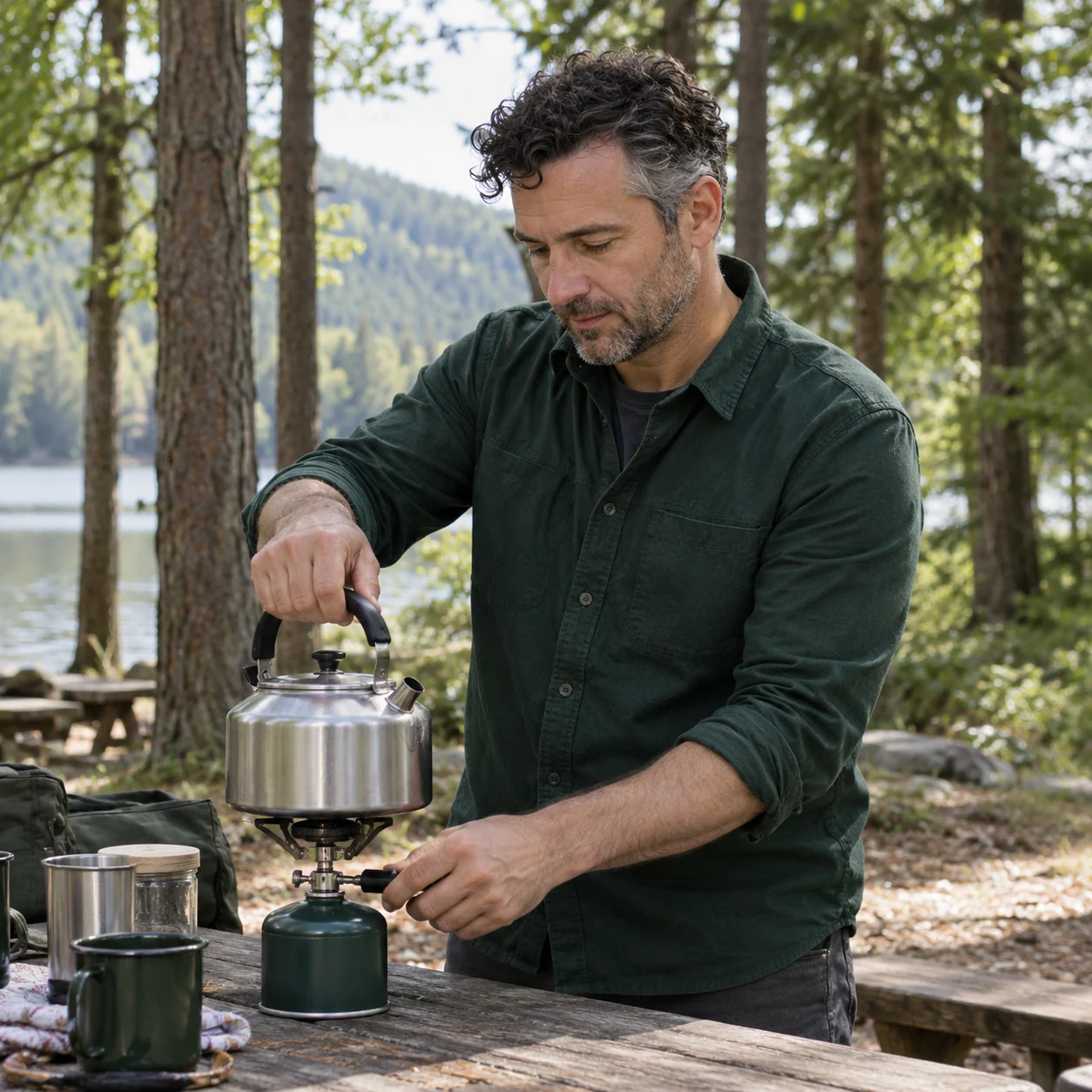
Forest school and outdoor learning lead
I want pupils to learn by taking part: handling materials, making choices and seeing what happens when they try something.
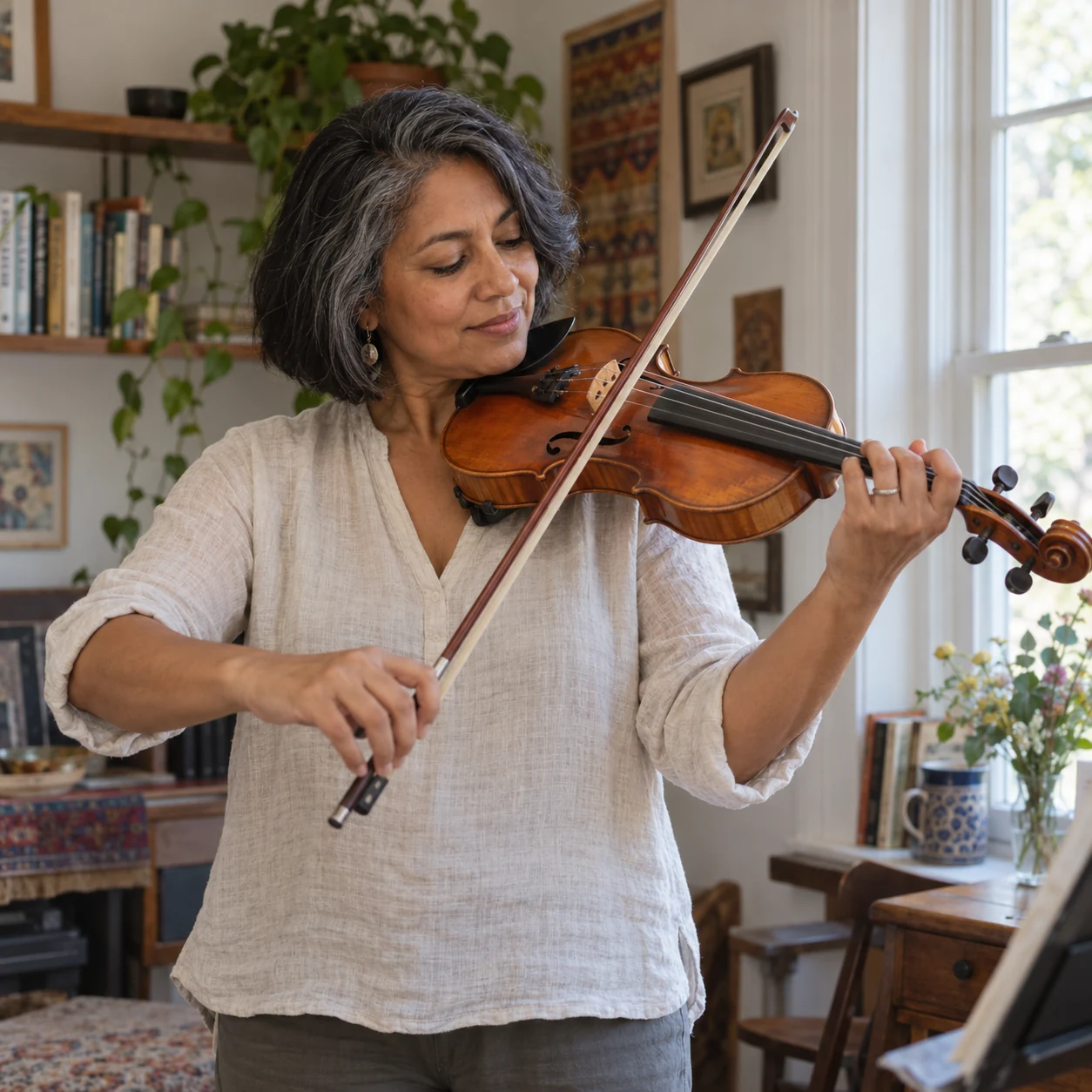
Director of Music
I want music-making to be a regular part of school life, with time to listen, practise and develop an ensemble sound.

Primary Physical Education teacher and fixtures secretary
I adapt games through space, equipment and roles so pupils with different confidence and experience can practise, make decisions and contribute while keeping the activity’s purpose clear.

Year 2 teacher and computing lead
I want pupils to recognise a choice, think about what information is appropriate and know when to ask an adult for help.
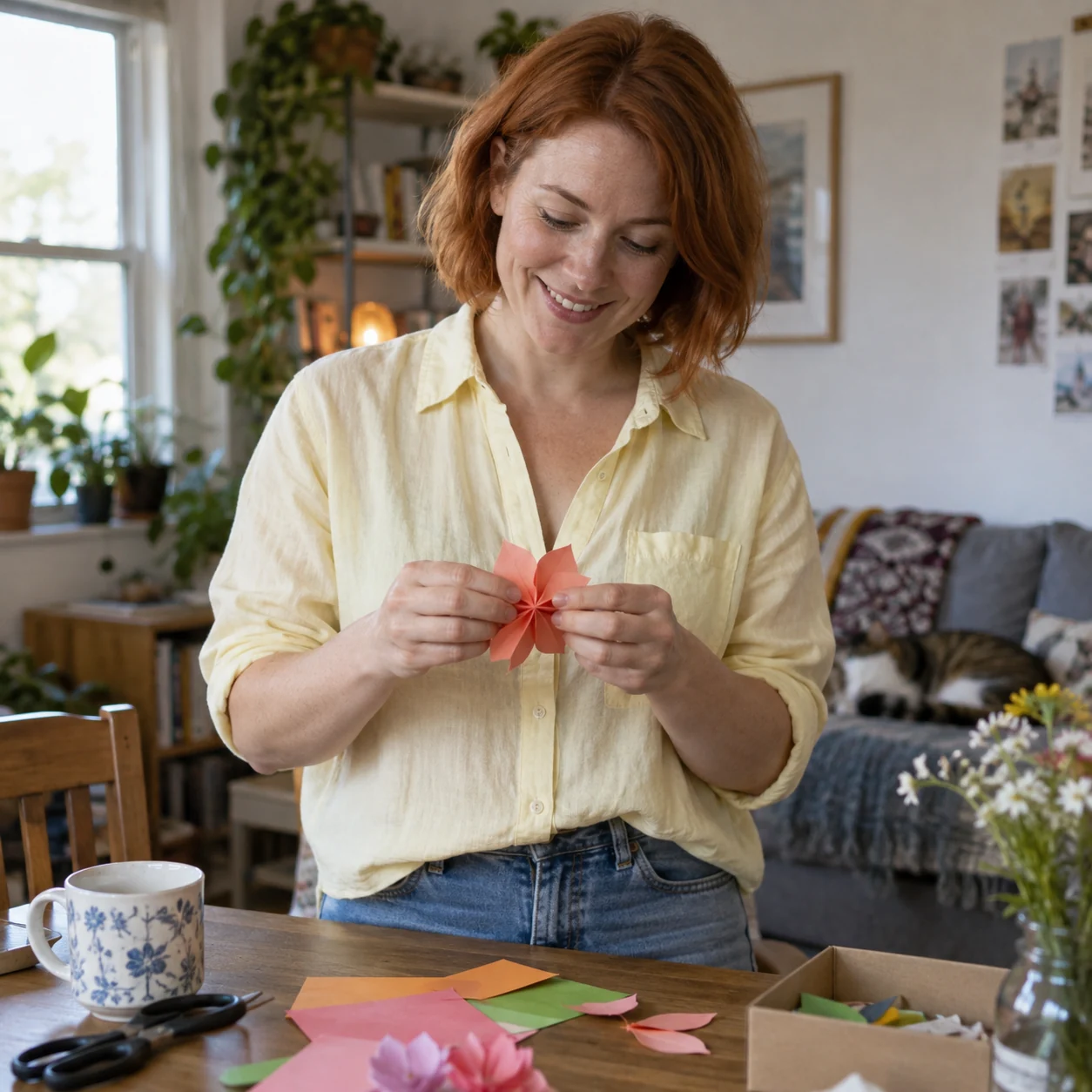
Year 1 teaching assistant
I support Year 1 phonics and number groups with short keep-up sessions connected to the lesson, giving pupils another opportunity to practise familiar sounds and ideas.

Year 1 teacher and PSHE lead
Clear explanations and respectful questions give pupils room to learn about relationships and wellbeing without being asked to speak for a family.

Year 4 teacher and English lead
Reading for pleasure matters to me, and I would rather help a child finish a book they selected than fill every reading moment with a worksheet.
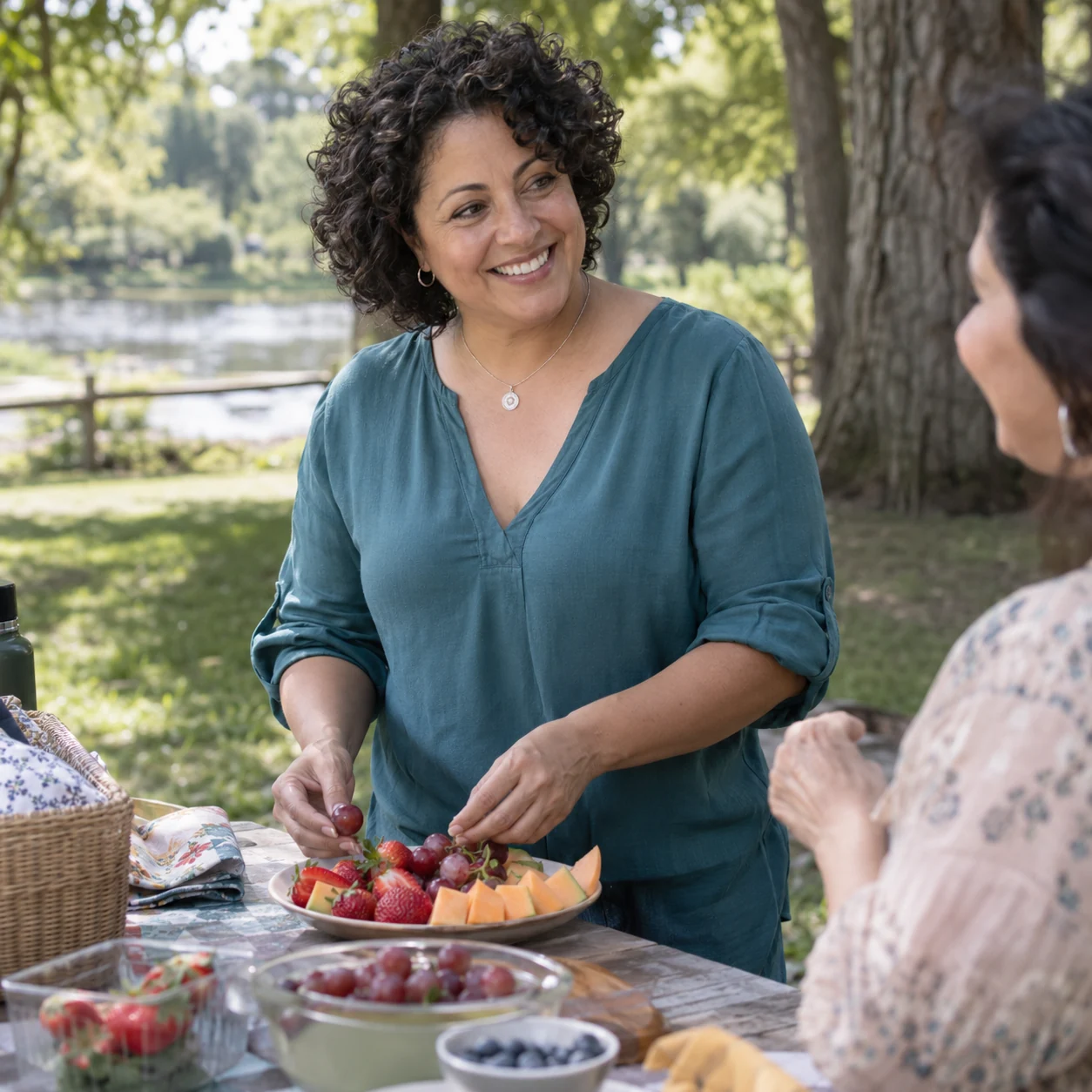
Deputy headteacher, Religious Education lead and Year 5 teacher
I introduce Religious Education through questions, warm explanations and discussion, making space for pupils to explore beliefs and practices without assuming their family’s experience of faith.
Head of Prep, curriculum lead and Year 6 teacher
I use a clear curriculum map to connect what pupils have learned with what comes next, keeping Year 6 preparation proportionate across different secondary-school pathways.
Year 3 teacher and Mathematics lead
I want all pupils to work with a meaningful mathematical idea and have a chance to explain, test or revise their approach.
Head of Pre-Prep and Reception teacher
Continuous provision gives children time to explore, while a clear focus on phonics and number helps us build foundational skills across the day.

EAL and bilingual support assistant
I pre-teach key vocabulary with visuals or another language where possible, giving pupils time to use the words in context and participate in the shared lesson.
Deputy headteacher and assessment lead
I use worked examples, small steps and retrieval in Year 6 Mathematics, looking at wrong answers to decide what needs modelling again and which question to follow up.
SENCo and inclusion lead
A predictable visual, calm instructions and clear steps can support a group, while adults adjust the activity to the purpose of the plan.

Key Stage 2 cover teacher and French lead
In French, I start with spoken language and use songs and familiar routines to help pupils get used to hearing the language.
Year 2 teaching assistant
I support Year 2 phonics and reading fluency, keeping clear practice notes and helping Sylheti-speaking families discuss reading in a familiar language with space for their questions.

Year 2 teacher, Key Stage 1 and early reading lead
I look at how a pupil applies a sound or pattern and decide whether to revisit it, model another word or move on.

Year 1 teacher and Physical Education lead
Children can handle materials, explain an idea and take part physically while their phonics and number learning becomes more structured.
Year 3 learning support assistant
I look for ways to make a task understandable, give enough time for communication and share observations with the teacher responsible for planning.
Year 4 teacher and arts lead
I make choir invitations open and rehearsals purposeful, helping children listen, keep a shared pulse and contribute together while giving Art the time it needs for practical choices.
Year 3 teacher and Computing lead
In Computing, I care that pupils understand what a computer is doing rather than simply follow a sequence of clicks.

Year 5 teacher and curriculum lead
A local river, canal or museum can give pupils a place to ask questions and connect an abstract idea with something they can observe or read about.
Year 6 teacher, Key Stage 2 and Mathematics lead
I use small steps and careful representations so pupils can see how a method works rather than guess which procedure to copy.

Higher level teaching assistant, early years and Key Stage 1
A sound can be noticed in a story, a sign or a conversation outside, then revisited in a short group activity.

Reception teacher and Early Years Foundation Stage lead
I connect continuous provision with phonics and number, using play, explicit teaching and observation to decide when to join children’s exploration and what to offer next.
Food Preparation and Nutrition lead
I ask pupils to connect recipes with cost and nutrition, comparing ingredient choices and explaining trade-offs while practical preparation includes checked allergen and dietary information.
Sociology teacher
I look for examples that are balanced and give the class enough information to discuss different explanations without treating one group as representative of everyone.
Second in English and early-career teacher mentor
Notes should be specific enough that a new teacher can use them in the next lesson, not simply describe what went well or badly.

Second in Mathematics and Year 11 booster lead
Revision is more useful when it responds to a specific gap pupils have shown, rather than covering a broad topic simply because it appears in a generic pack.

Second in Physical Education
I connect GCSE PE theory with practical sport, choosing examples and exam questions that help students explain a concept in terms of the activity they experience.
Higher Level Teaching Assistant, English as an Additional Language
I support bilingual and EAL learners with task breakdowns and check-ins, working with teachers to clarify directions and vocabulary while keeping the subject’s language demand visible.

Teaching Assistant, Design and Technology and Computing
The wording has to fit the work underway, whether a student is setting up equipment or following a sequence in a computing task.
Deputy Headteacher, Curriculum, Assessment and Standards
Keeping a class in my week matters when I discuss assessment workload or how a timetable decision affects teaching; those choices have to work inside real lessons.

Deputy Headteacher, Culture, Behaviour and Attendance
I use Year 8 English teaching to examine how whole-school routines work in class, looking for patterns in context and communicating next steps calmly and specifically to families.
Headteacher; Designated Safeguarding Lead (accountable officer)
I keep Year 11 History teaching in my week so leadership stays connected to pupils’ explanations, alongside clear reporting that distinguishes classroom evidence from cohort summaries.

Assistant Headteacher, Inclusion; Special Educational Needs Coordinator
I make inclusion plans understandable to families and organise access evidence around the decision it supports, with clear language, reliable records and appropriate boundaries for personal information.
Head of Art and Design
I connect Art and Design analysis with making, using scaffolds that help students notice, describe and interpret their own choices and explain what they may change.
Head of Business and Applied Learning
I use recognisable local work and community cases in Business and Applied Learning, giving students concrete material to analyse while preserving each subject’s questions and different possible pathways.
Head of Design, Technology and Computing
I value build logs that capture a design choice, its reason and what a student may reconsider, adapting the record to the evidence each practical or technical task needs.
Head of Drama
As Head of Drama, I look for devising stimuli that give students something to respond to and help them move into practical exploration.

Head of English and Media
English and Media have to offer a common academic challenge while recognising that pupils may approach the language of a task from different starting points.
Head of Creative and Performing Arts
I coordinate Art, Music and Drama while keeping each discipline’s assessment criteria distinct, using moderation and shared preparation to support practical work without flattening the separate craft.

Head of Geography
I use local Geography fieldwork with data-processing support that leaves interpretation to pupils, asking what observations show and how securely they answer the geographical question.
Head of History; Staff Governor
I look for scaffolds that help pupils with different reading needs work on a shared historical question, without changing the question into several unrelated tasks.
Head of Religious Studies
I compare religious and non-religious worldviews with similar care, supporting accurate concepts and exam responses while giving a plural classroom respectful language for discussing differences.
Head of Mathematics
I use diagnostic Mathematics questions to locate a specific misconception before choosing a worked example, keeping assessment precise enough to guide the next teaching step and review.
Head of Music
I make composition feedback specific enough for students to choose their next musical step independently, while ensemble work gives them opportunities to practise and play with others.
Head of Physical Education
I plan adaptable PE fitness and skills work alongside practical fixture arrangements, considering facilities, transport and lesson time while keeping the intended skill visible for different starting points.
Head of Science
I coordinate Science practicals with the lead technician, linking activity-specific preparation and review with shared laboratory time so the department can notice and respond to gaps early.
Teacher of Design and Technology; House Leader, Irk
I use clear scoring rubrics for design-and-build challenges, making criteria visible in advance so student judges can compare entries fairly while allowing different ideas and solutions.
Teacher of English; House Leader, Tib
Our reading challenge is run with the library, and it has to reach pupils who are not already choosing books for pleasure.

Teacher of History and Second in Geography
I connect retrieval across History and Geography while preserving their distinct evidence methods, helping pupils see whether they are recalling a concept, analysing a source or processing fieldwork data.
Teacher of Mathematics; House Leader, Cornbrook
I run Cornbrook events for pupils in every year group, so participation has to be possible beyond the students who are already confident about joining in.
Teacher of Science; House Leader, Medlock
The house role gives student captains responsibility for events, and I want them to be able to take a plan forward rather than wait for an adult to explain every detail.

Teaching Assistant, Year 8
I support newly arrived Year 8 EAL pupils through lesson-specific task breakdowns and check-ins, clarifying the first action and checking understanding before giving them room to continue.

Learning Support Assistant, Year 7
I provide named-plan learning support in Year 7, shaping prompts around the activity in front of the learner rather than using a general sheet for every lesson.

Assistant Headteacher, Key Stage 3 and Transition
My classroom work is Year 7 Geography, so transition is not an abstract process for me: it meets pupils in the routines and subjects they encounter when they arrive.
Head of Year 7
I work with Year 7 tutors on concise settling-in summaries that identify useful follow-up conversations, leaving room to learn directly from pupils after their first weeks in secondary school.

Teacher of History; Key Stage 3 History Coordinator
I want scaffolds that help pupils access a source at different reading levels while keeping the question and historical method intact.
Learning Support Assistant, Year 9
I shape Year 9 support around the current activity, using clear actions and check-ins that help pupils see the next step while keeping their opportunity to act independently.
Assistant Headteacher, Key Stage 4 and Examinations
I turn mock-assessment analysis into a named teaching or revision step, identifying the knowledge or skill needing attention while keeping examination planning close to Year 11 Business.
Head of Year 9
As Head of Year, I work with tutors through the options process and look at whether a pupil’s stated interests line up with the subjects they have selected.
Second in Science and Key Stage 4 Science Lead
I choose Science practice tied to an exact specification point, making the assessed knowledge or method visible and keeping pathway decisions open to evidence and review.
Primary Mandarin Lead
I plan distinct Primary Mandarin pathways and check register alongside grammar, asking whether a fluent phrase is appropriate to its audience, relationship and situation as well as accurate.
Mother Tongue Teacher, Tamil (two days, shared with a neighbouring setting)
I look for short Tamil segments and useful handover notes that let room teachers continue a rhyme, vocabulary sequence or familiar phrase while responding to the children present.
Mandarin Teacher
I regard Mandarin, Japanese and French as distinct subjects, each with different starting points, rather than one course arranged at three speeds.
No creators match these choices. Try another word or clear the filters.