Wellbeing and personal development
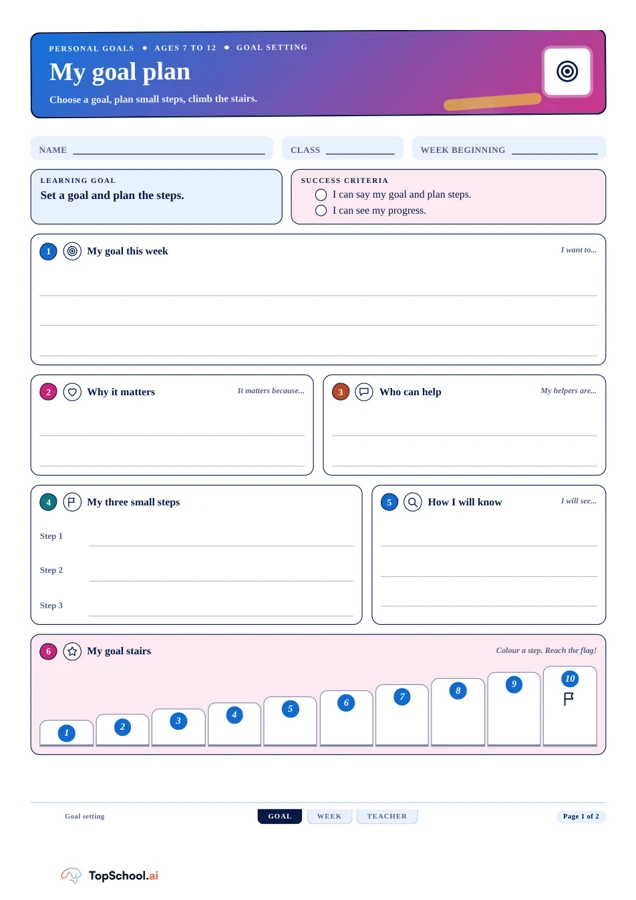
My goal plan: small steps and weekly check-in
Set a meaningful goal, plan manageable steps and reflect on what helped during the week.
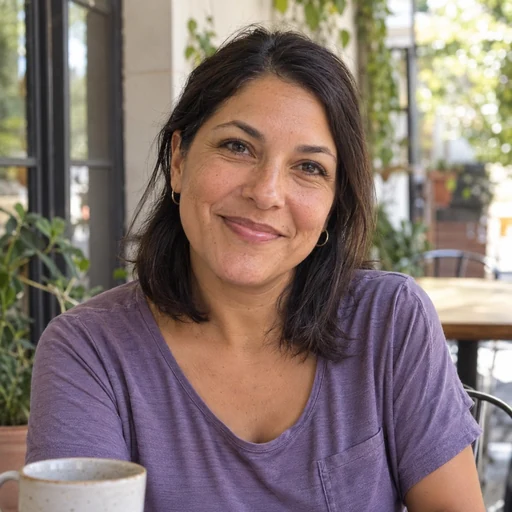
Primary learning support specialist
A short plan can help the adults agree what to do, but it should remain connected to the pupil’s experience and be reviewed rather than filed away.
Explore the collectionI work with primary pupils who need a different kind of support to participate and make progress. I judge a plan by whether it helps a teacher do something useful in the classroom. If the wording reassures adults but does not change what happens in practice, it needs another look.
I describe what is difficult and what helps in observable terms. That makes the plan easier to use and keeps attention on the support rather than a label. I do not include diagnostic information in material that leaves the appropriate professional context. The teacher needs a clear action they can try and a way to notice whether it is helping.
I value resources that turn a discussion into a manageable next step. A short plan can help the adults agree what to do, but it should remain connected to the pupil’s experience and be reviewed rather than filed away. I want support to be practical, respectful and useful in the ordinary routines of the school day.
Describe support needs through observable examples.
Write actions that a class teacher can use in practice.
Review plans and keep diagnostic labels private.
Explore these templates and decide what fits your own setting.
Wellbeing and personal development
Set a meaningful goal, plan manageable steps and reflect on what helped during the week.
Maths
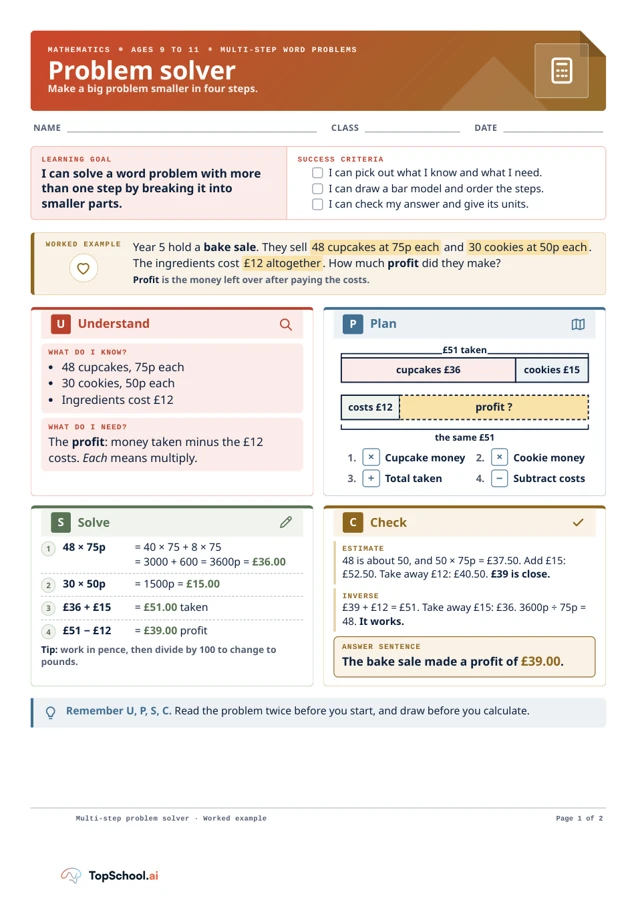
Solve a multi-step problem by identifying known information, ordering calculations and checking the result.
Wellbeing and personal development
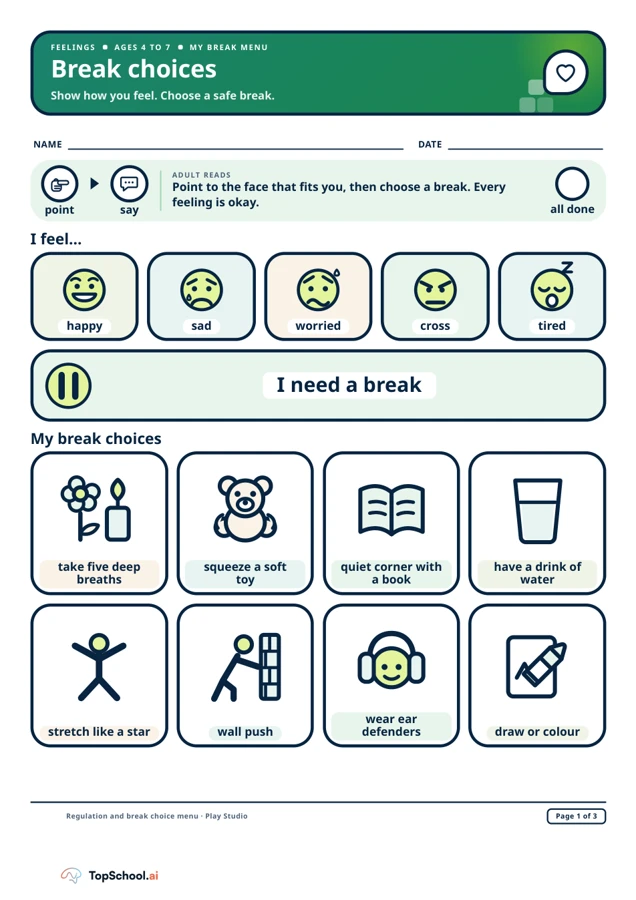
Communicate a feeling or need for a break and choose an available option from a visual menu, using a gesture, symbol or speech.
Wellbeing and personal development
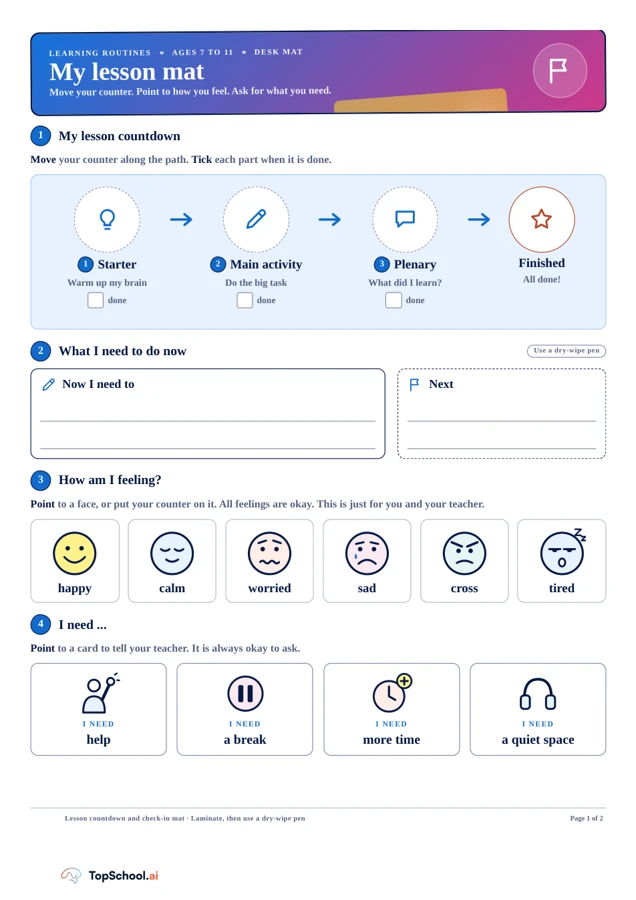
Make a lesson’s stages visible and let a pupil choose how to ask for help, a break or more time.