Science
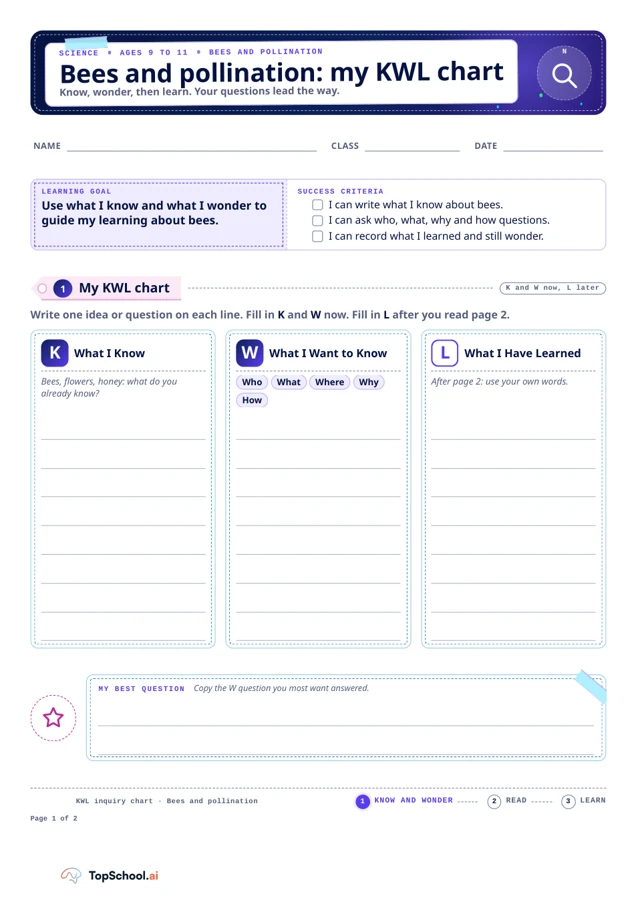
Bees and pollination: know, wonder and learn
Use an inquiry chart to connect prior ideas, questions and information learned from a short text.
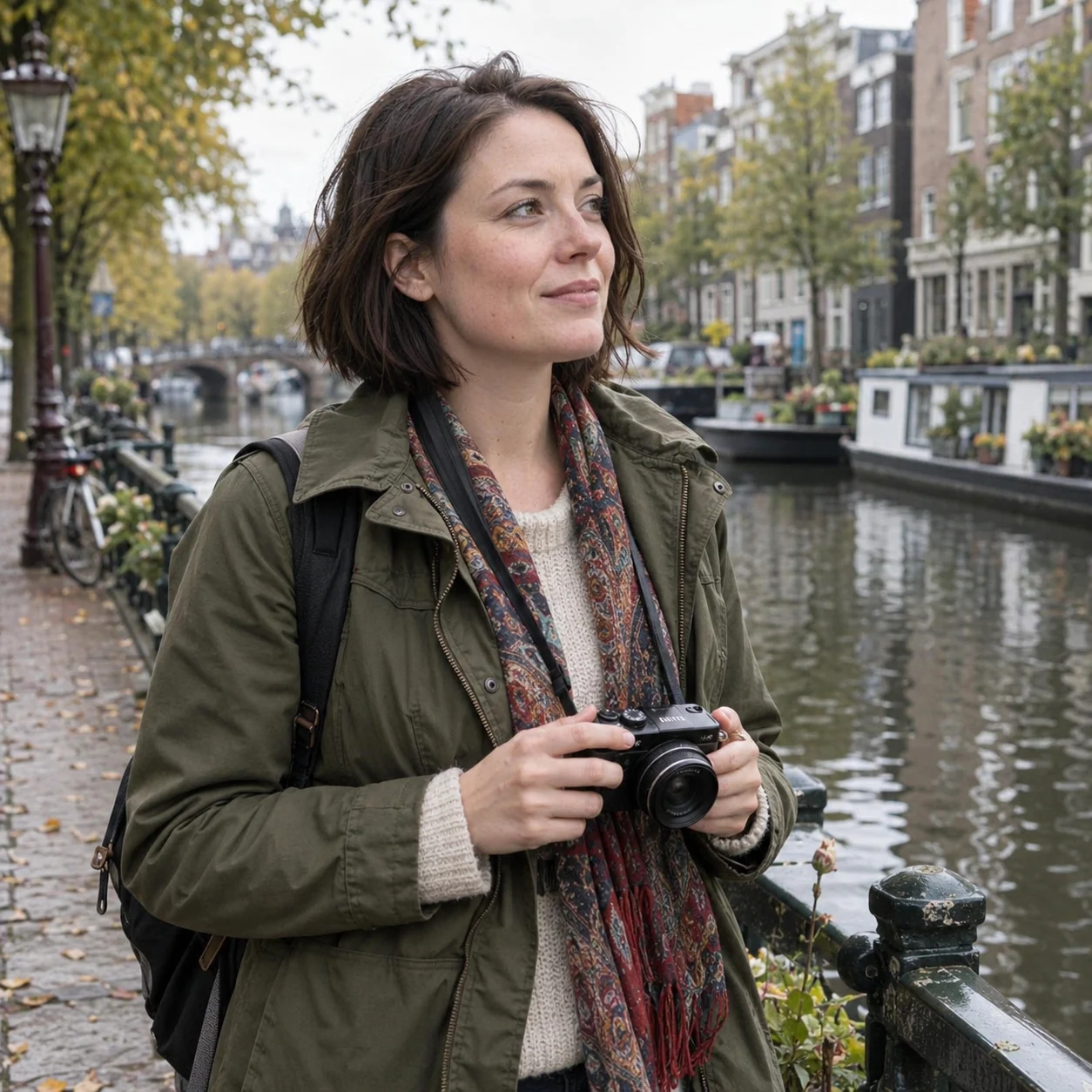
Year 5 teacher and curriculum lead
A local river, canal or museum can give pupils a place to ask questions and connect an abstract idea with something they can observe or read about.
Explore the collectionI teach Year 5 and lead Science, Geography, History and enrichment. I plan by unit, identifying core knowledge and vocabulary across a sequence of lessons. Having worked examples ready helps pupils see what a useful response might look like before they try one independently.
I like to anchor a unit somewhere real. A local river, canal or museum can give pupils a place to ask questions and connect an abstract idea with something they can observe or read about. The example should support the learning rather than become a decorative detail.
I look for resources that make the key ideas explicit and give pupils more than one way to work with them. Pre-teaching vocabulary can help pupils join a discussion; whole-class feedback can help the teacher respond to patterns in their work. I value coherent sequences that make the next step clear and support pupils who need more explanation.
Plan a sequence around named knowledge and vocabulary.
Use worked examples before independent responses.
Anchor units in real places or evidence.
Explore these templates and decide what fits your own setting.
Science
Use an inquiry chart to connect prior ideas, questions and information learned from a short text.
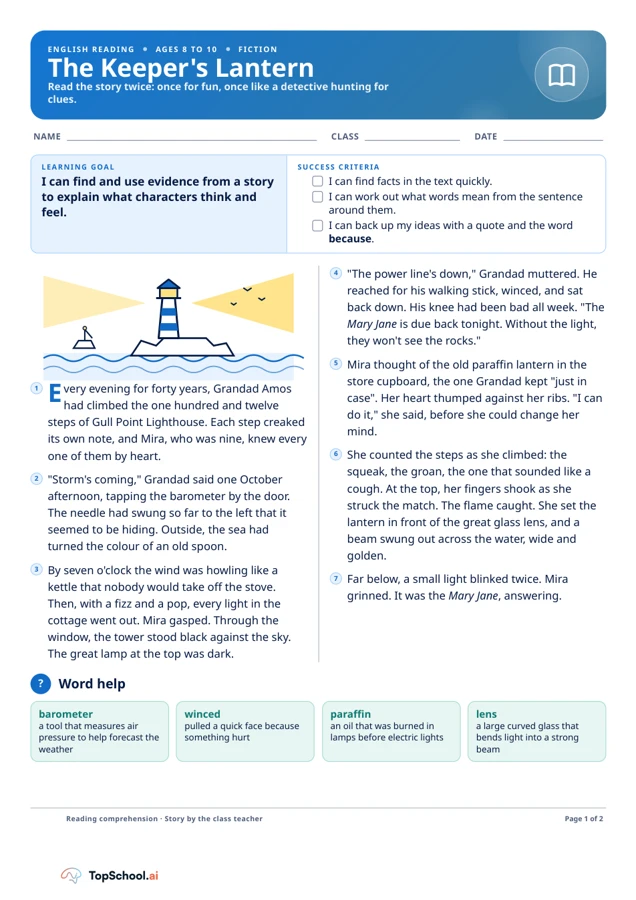
English reading
Find stated details, use context to consider word meaning, support an inference with a quotation and summarise the story briefly.
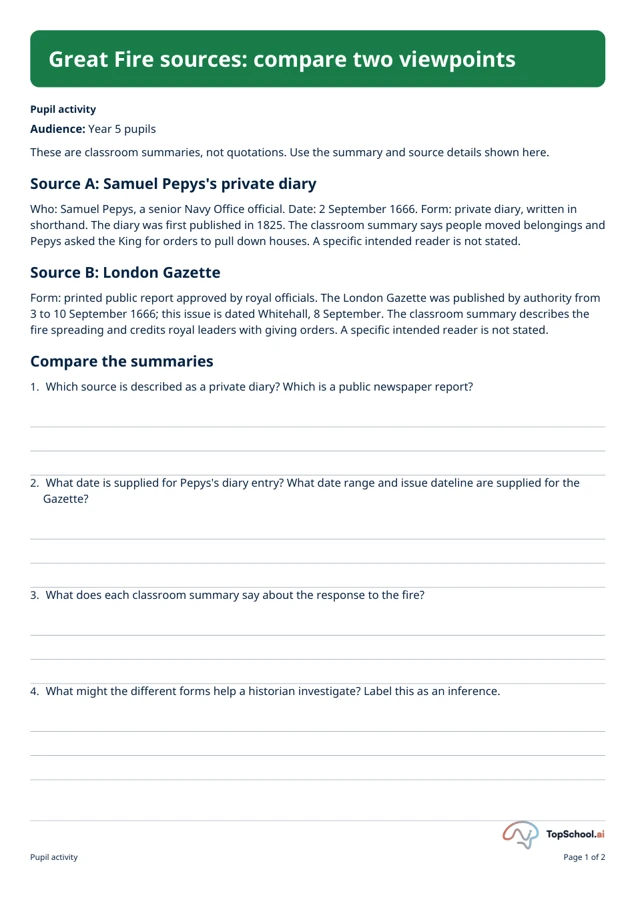
History and social studies
Use source labels, dates and short classroom summaries to compare what a private diary and an official newspaper report can show, while identifying what remains unknown.
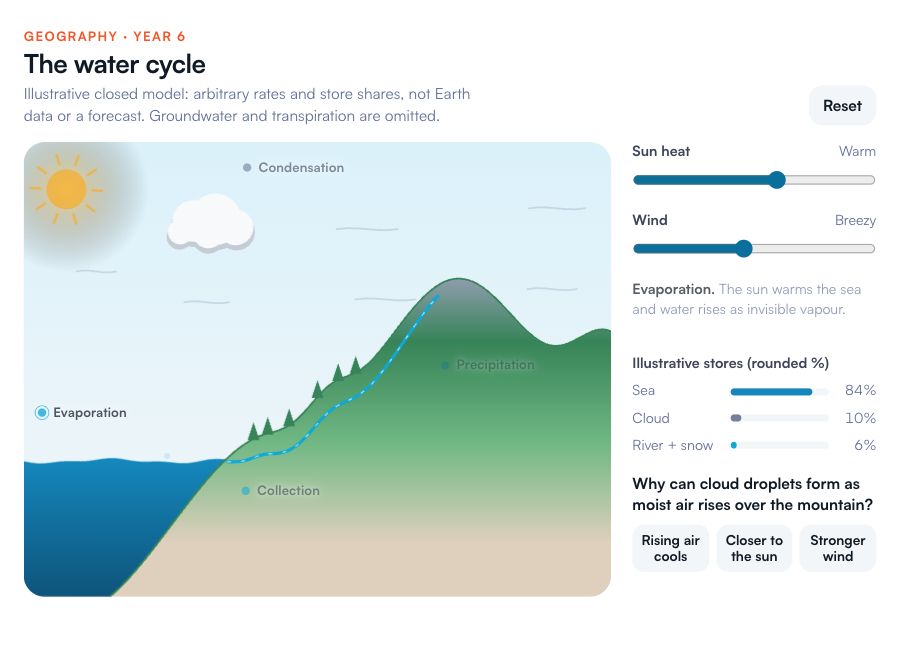
Geography
Follow water through a modelled cycle, connect cooling with droplet formation and ask what the model does not show.