History and social studies
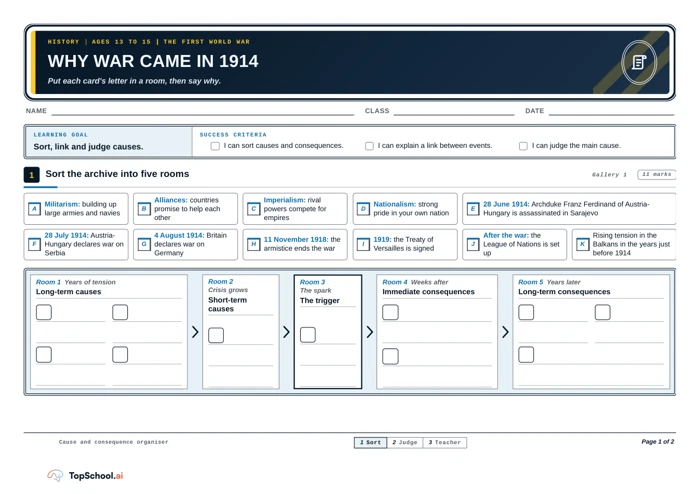
Why war came in 1914: cause and consequence organiser
Sort historical causes and events, explain causal links and support a judgement about the relative importance of causes.
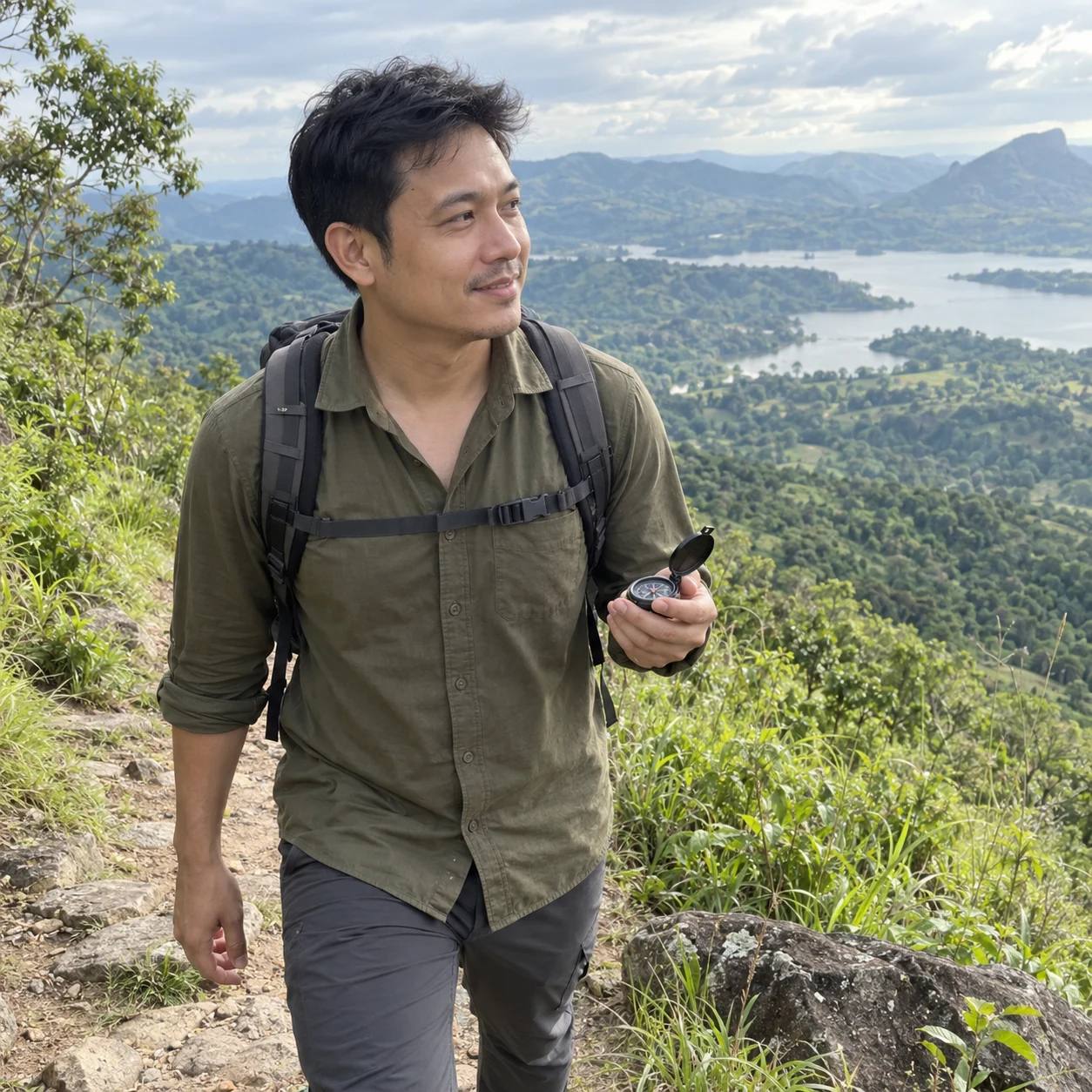
Geography and Global Perspectives teacher
I begin Geography and Global Perspectives inquiries with local places, maps and field observations, asking pupils to compare evidence and identify what their account still needs to establish.
Explore the collectionI teach Geography and Global Perspectives, using local contexts to give an inquiry a concrete starting point. Studying a place close to the pupils can help them ask better questions about landscape, community and change. It also gives us a chance to check our assumptions against evidence rather than rely on a distant generalisation.
Local familiarity can be helpful, but it does not make one person an authority on every part of a country or community. I want to be precise about what I know from my classroom and what needs another source or perspective. Field inquiry works best when pupils observe carefully and record what they can actually support.
I look for resources that connect a question to maps, sources or a field observation. Pupils can compare what they notice with other evidence, then explain where their account is strong and what they would still need to investigate. I value curiosity grounded in a place, with humility about what a single viewpoint can tell us.
Start inquiry with a meaningful local context.
Separate personal familiarity from wider authority.
Use field observations alongside other evidence.
Explore these templates and decide what fits your own setting.
History and social studies
Sort historical causes and events, explain causal links and support a judgement about the relative importance of causes.
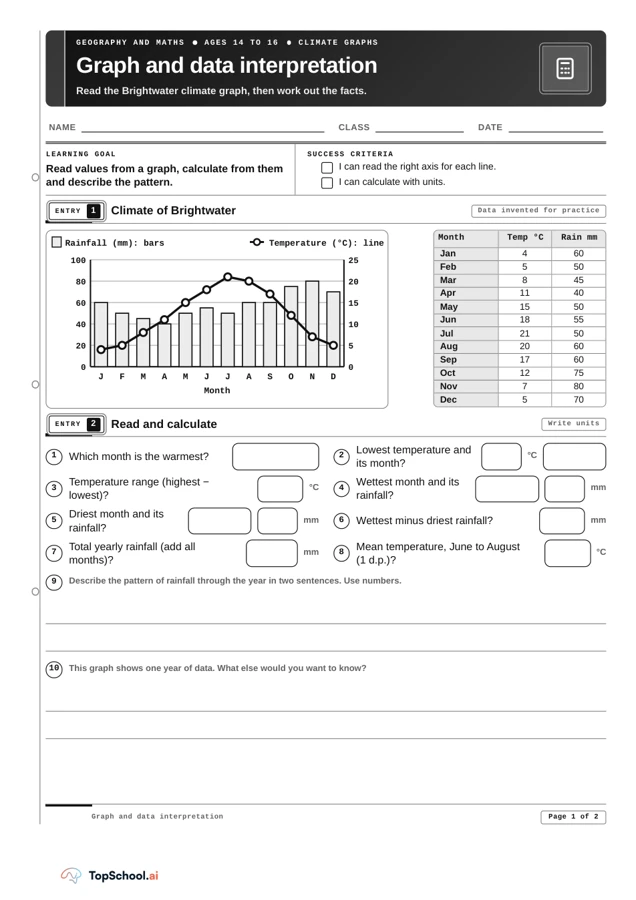
Geography · Maths
Read values from climate and population graphs, calculate with units and support an interpretation with data.
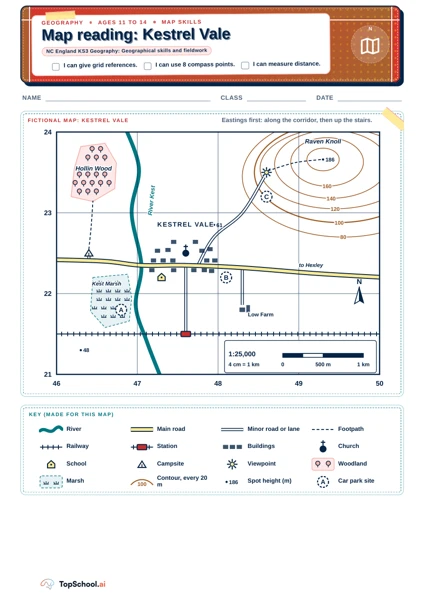
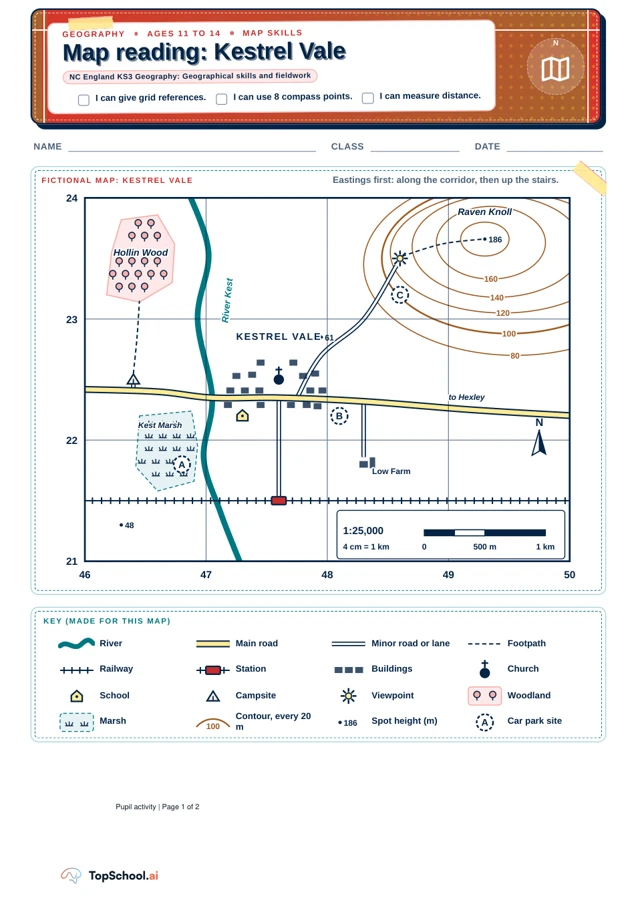
Geography
Locate places with four- and six-figure references, describe direction and distance, and justify a site choice with evidence from a fictional map.
Geography
Pupils should give four- and six-figure references in easting-first order, describe direction from the stated starting place and convert measured distances using the scale. Their route and car-park judgements should cite specific features and acknowledge a disadvantage.