Science
Sugar dissolving investigation report
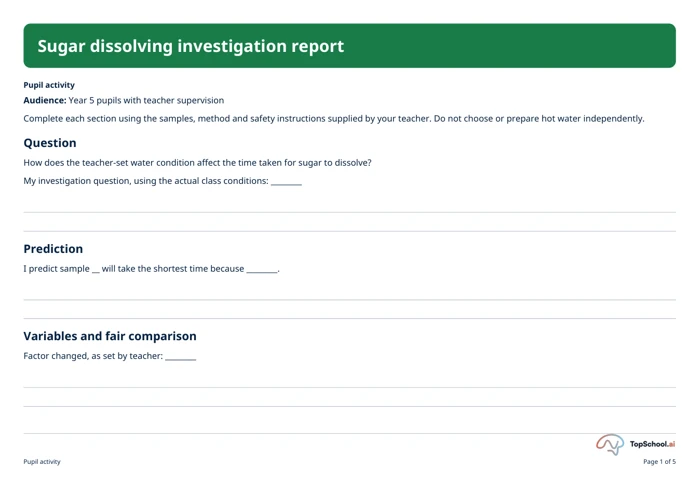
Complete a short investigation report with a question, prediction, variables, teacher-approved method, repeated results, graph, conclusion and evaluation.
England
Teaching the National Curriculum in England? Explore ideas for your key stage and subject. Prepare a discussion, model a method or build practice that helps you see what pupils understand.
Start with an idea, then check the age range, learning goal and subject content against the curriculum or programme your class follows.
Choose a task, inspect the source and decide what pupils should explain for themselves.
Keep the whole equal. Connect a bar, a circle and a number line before comparing fractions and explaining a claim.
Explain why two representations show the same amount, then justify a new comparison.
Try the teaching idea, then explore the full activity.
Explore tasks relevant to this teaching context. Check the learning goal and the programme version your class follows.
Science
Complete a short investigation report with a question, prediction, variables, teacher-approved method, repeated results, graph, conclusion and evaluation.
History and social studies
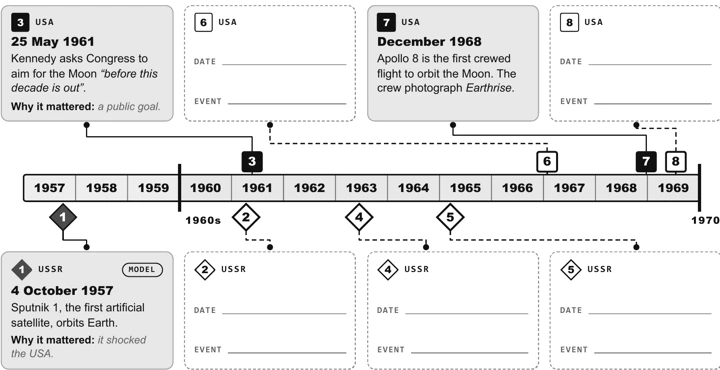
Sequence selected events from 1957 to 1969, calculate intervals and use stated criteria to support a judgement about historical significance.
Computing
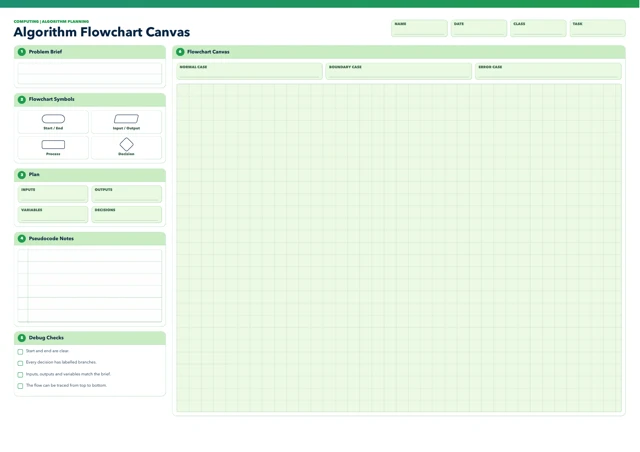
Represent a problem-solving algorithm using suitable flowchart symbols and pseudocode notes, then check its branches against normal, boundary and error cases.
Languages and literacy
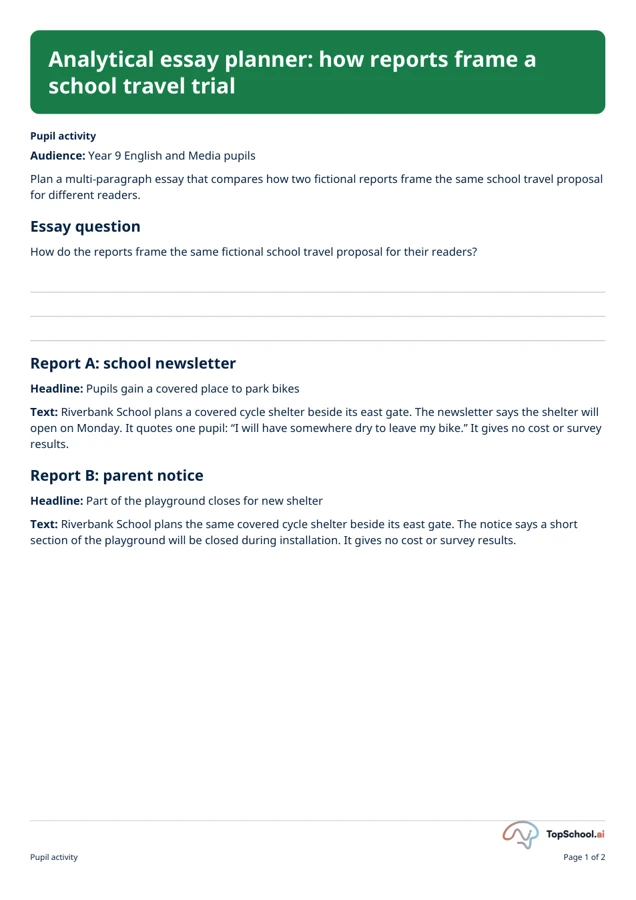
Plan a multi-paragraph essay that compares how two fictional reports frame the same school travel proposal for different readers.
History and social studies
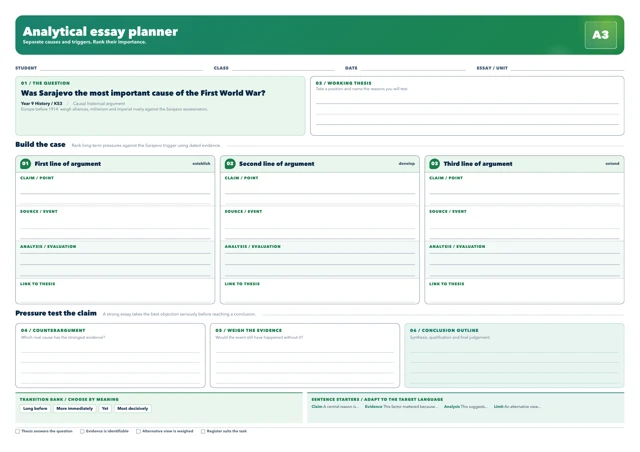
Develop a historical argument that answers the question, supports claims with identifiable evidence and weighs an alternative cause before reaching a judgement.
Art and design
Evaluate how an artwork developed, identify a technique or decision that worked, and plan a specific next step.
Art and design
Give feedback on artwork that names a visible strength, asks about an artistic choice and suggests one kind, actionable next step.
Art and design
Test watercolour and pencil techniques, describe the effects observed and choose techniques for particular visual purposes.
Art and design
Describe visual features, explain selected artistic and printmaking choices, and use one compositional idea in an original response.
Languages and literacy
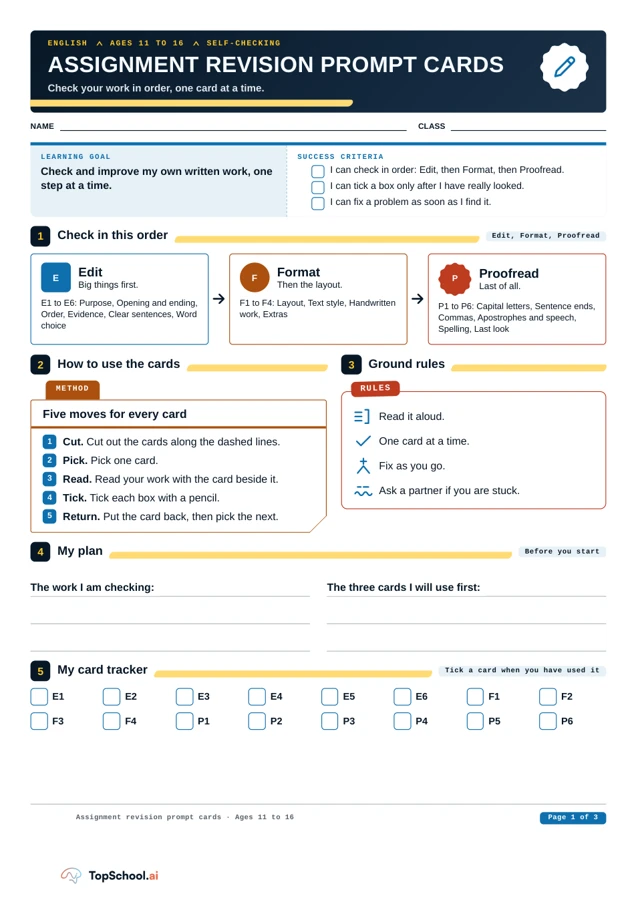
Review a draft in order by checking its purpose and ideas, its format and then its spelling and punctuation.
Maths
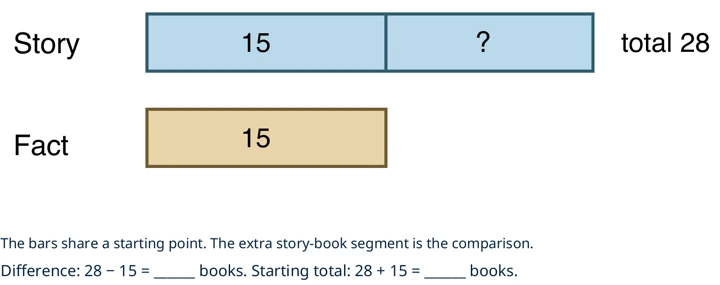
Compare book quantities with a bar model, calculate the total and remaining books, and explain how each step changes the library count.
Maths
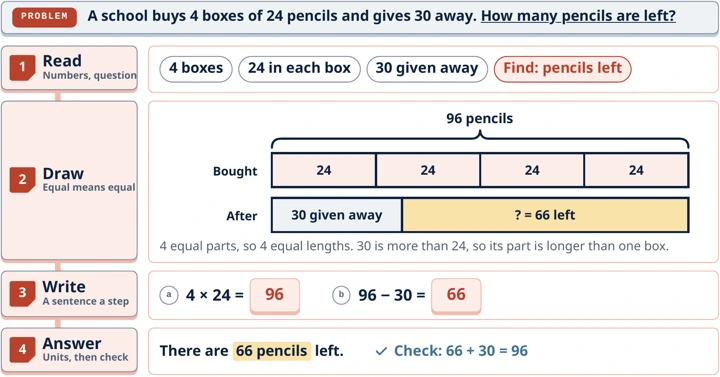
Represent relationships in word problems with bar models, write linked number sentences and check a solution with units.
Languages and literacy
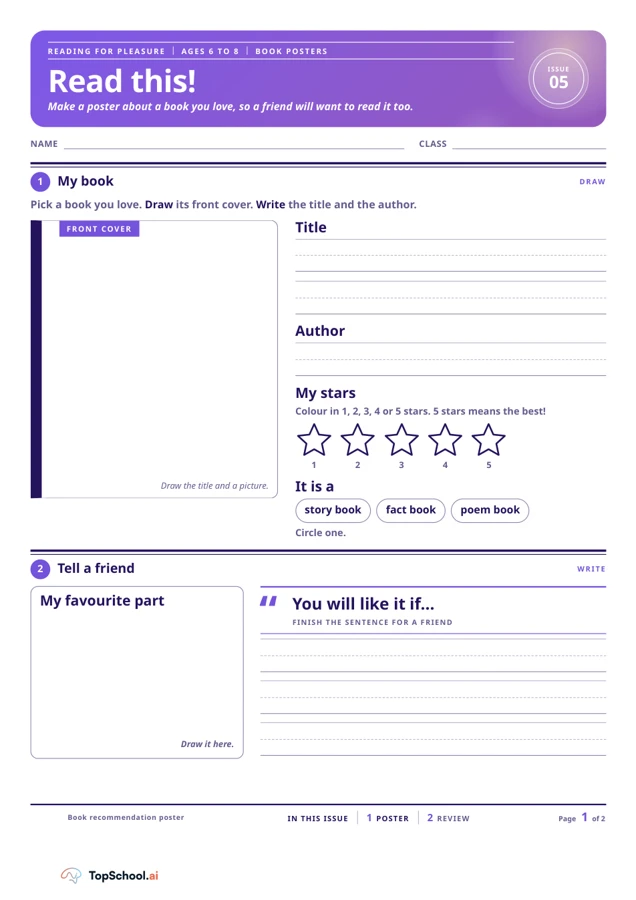
Create a book recommendation that gives identifying details, a personal response and a reason a friend might enjoy the book.
Languages and literacy
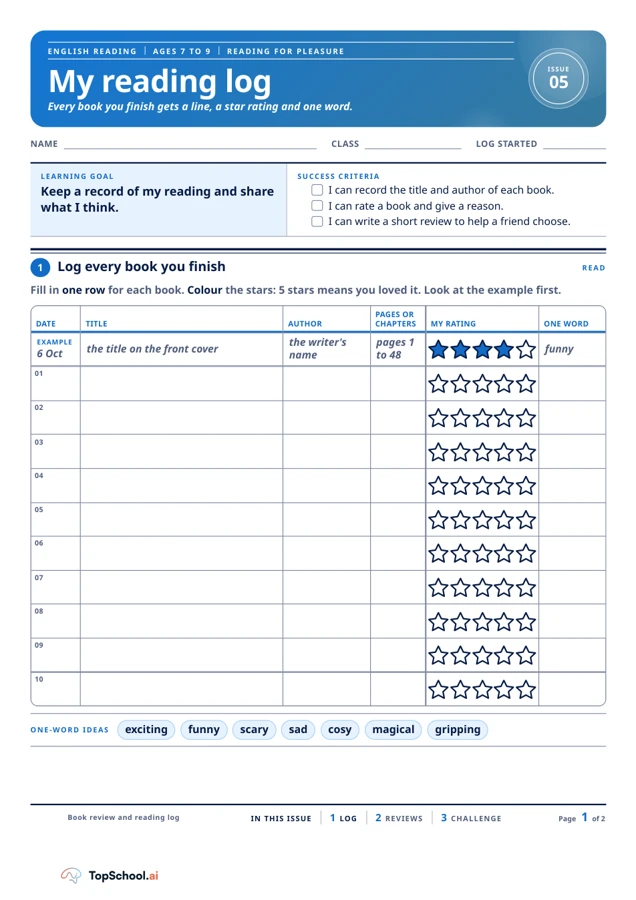
Record reading, support an opinion with a reason and recommend books to an audience.
Geography
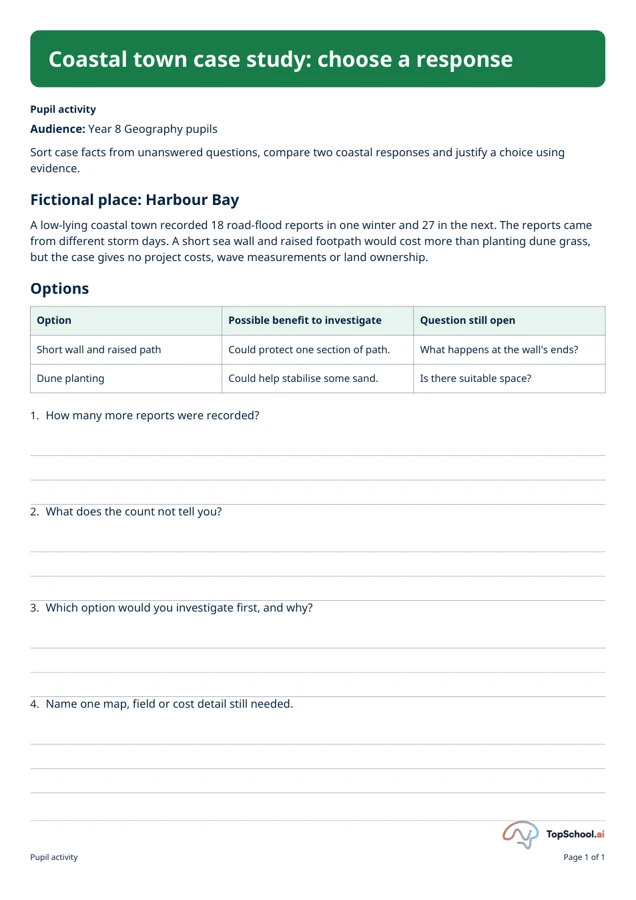
Sort case facts from unanswered questions, compare two coastal responses and justify a choice using evidence.
History and social studies
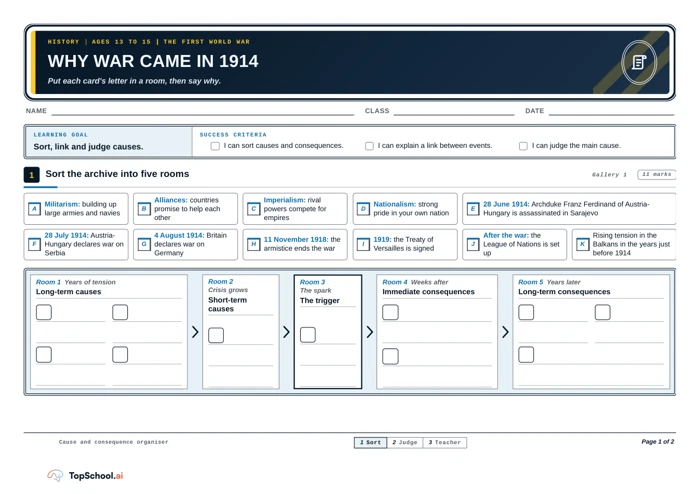
Sort historical causes and events, explain causal links and support a judgement about the relative importance of causes.
Languages and literacy
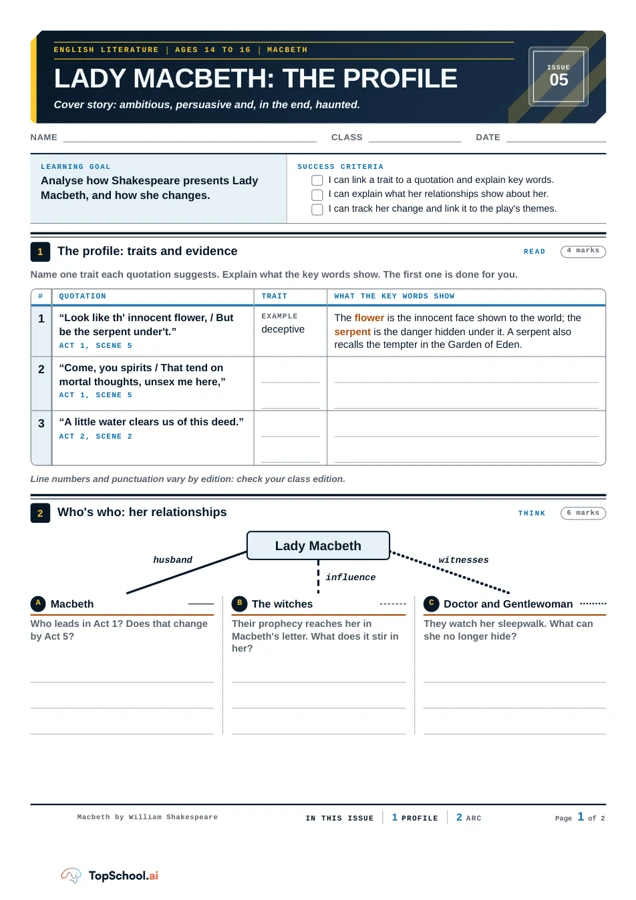
Explain how Shakespeare presents Lady Macbeth and how evidence from different parts of the play shows her changing relationship with ambition, power and guilt.
Languages and literacy
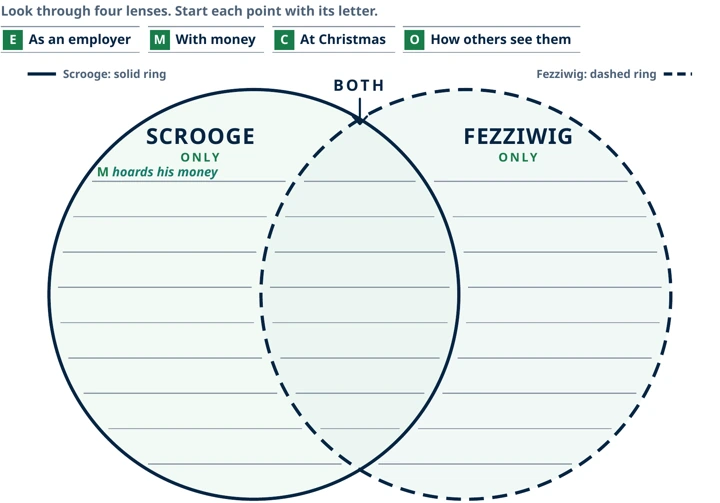
Compare Scrooge and Fezziwig as employers using textual evidence, then explain how Scrooge changes across the five staves.
Computing
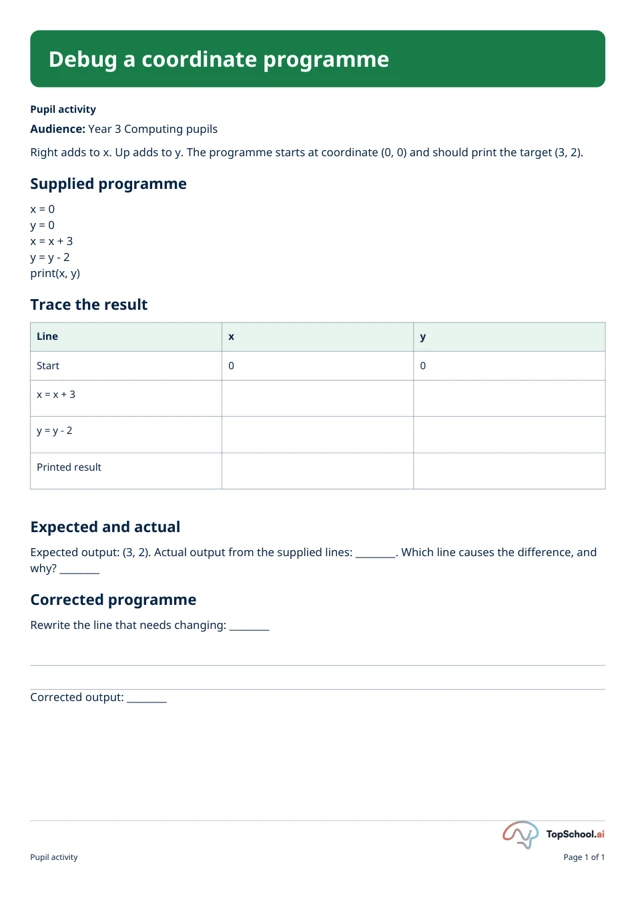
Trace a short coordinate programme, compare its actual and expected output, diagnose a logic error and write a corrected programme.
Computing
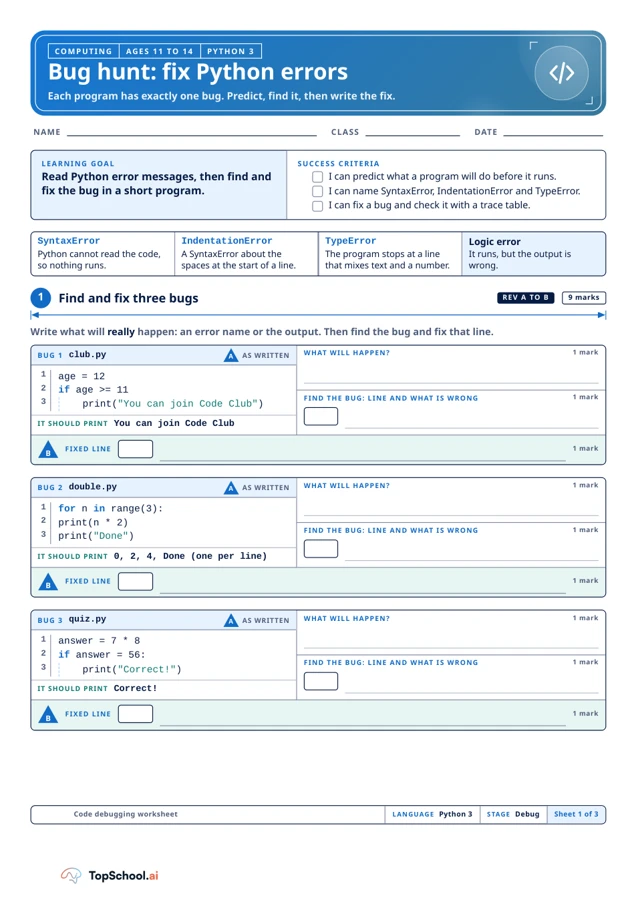
Predict program behaviour, identify and explain one bug per snippet, and use a trace table to follow changing values.
Art and design
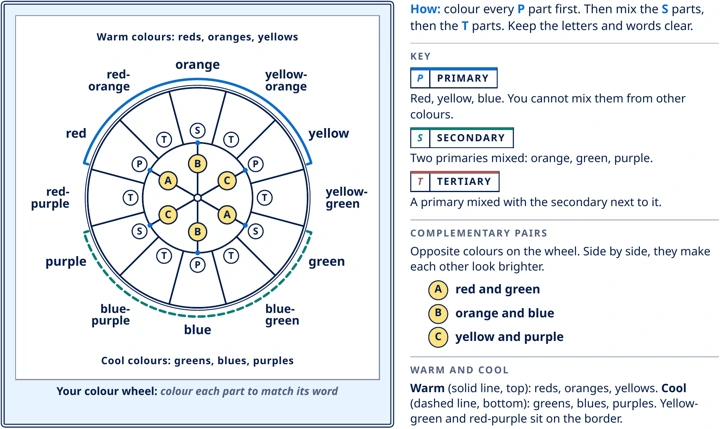
Classify colours on a wheel, explore mixing and compare tints, shades and tones through written or visual experiments.
Languages and literacy
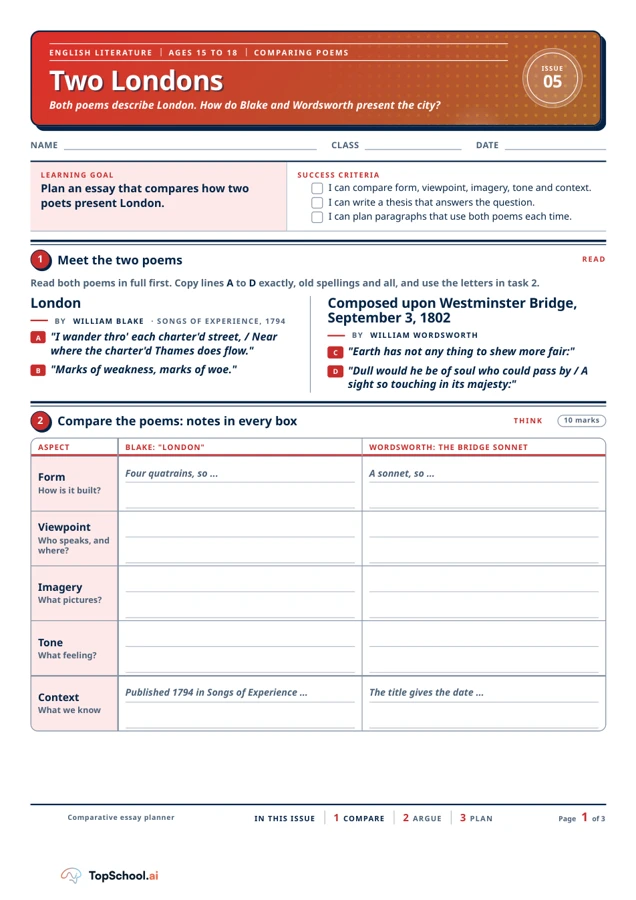
Plan a comparative essay that answers the question and uses evidence and analysis from both poems in each body paragraph.
Languages and literacy
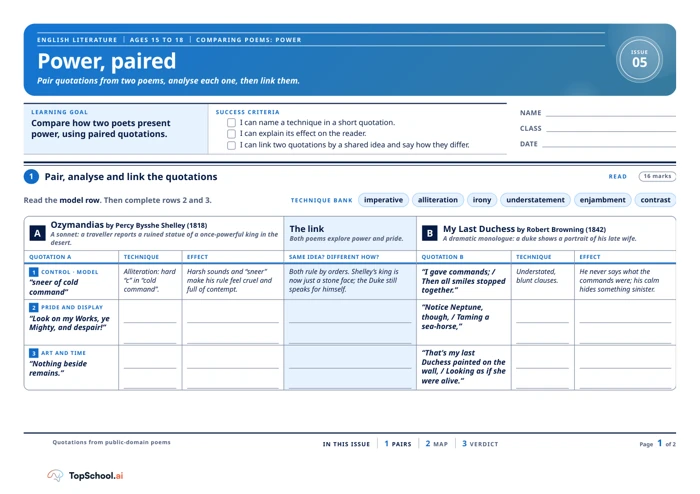
Compare how two poems present power by analysing paired quotations, linking a shared idea to a difference and supporting a final judgement.
Languages and literacy
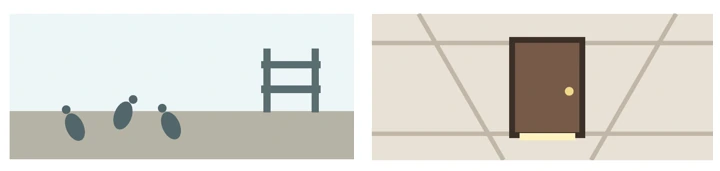
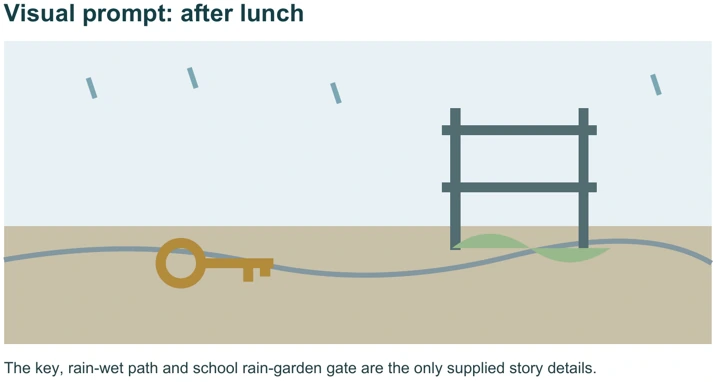
Use one visual still prompt to infer setting and mood, then draft two possible continuations without treating the prompt as a finished story.
Maths
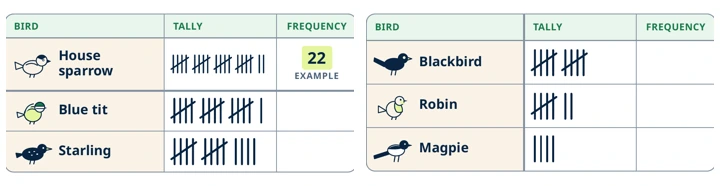
Pupils should convert all six tallies to frequencies, draw bars at two birds per square and answer comparison questions using the chart. They should also specify where, when and for how long a proposed survey would run.
Languages and literacy
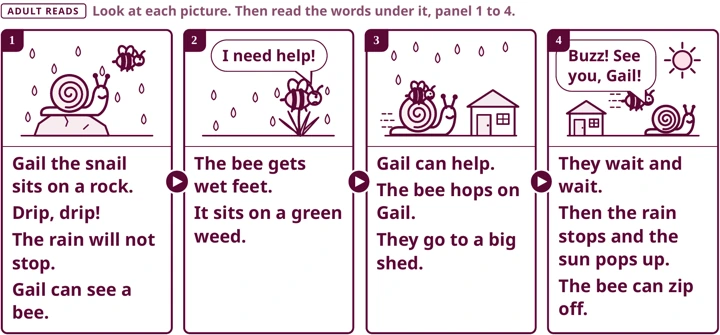
Read words containing ai and ee, follow a short illustrated story and answer questions by referring back to the text.
Languages and literacy
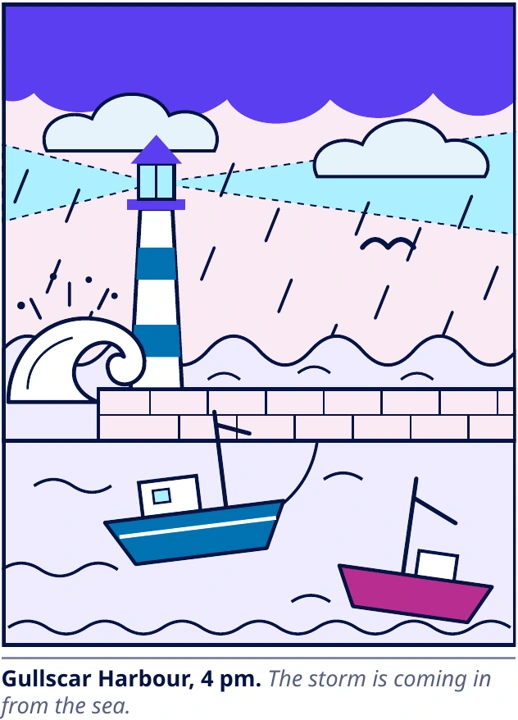
Plan and write a descriptive paragraph that builds atmosphere using sensory details, figurative language and a wide-to-close structure.
Art and design
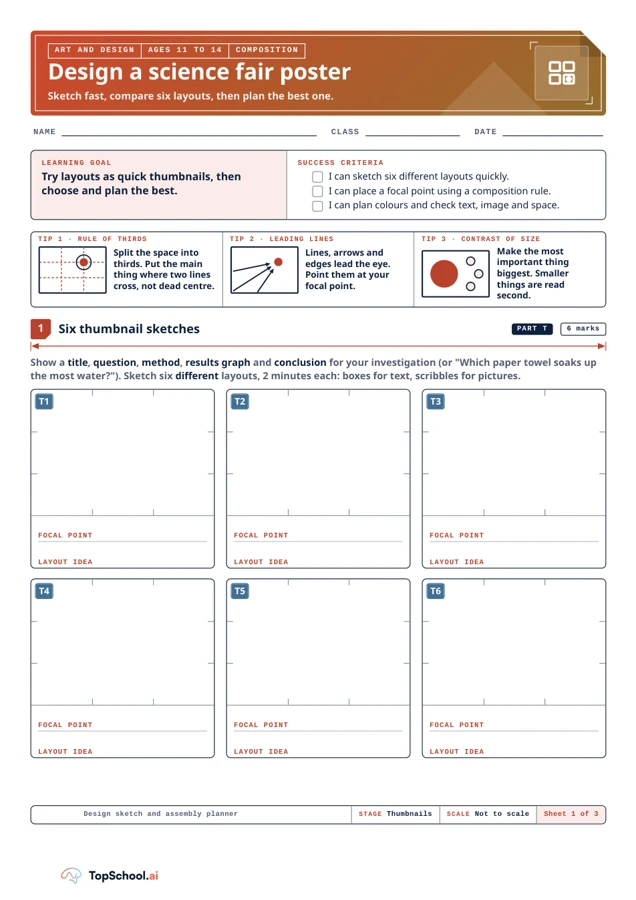
Generate and evaluate layout thumbnails, select a focal point and plan a readable, balanced science-fair poster.
Computing · Wellbeing and personal development
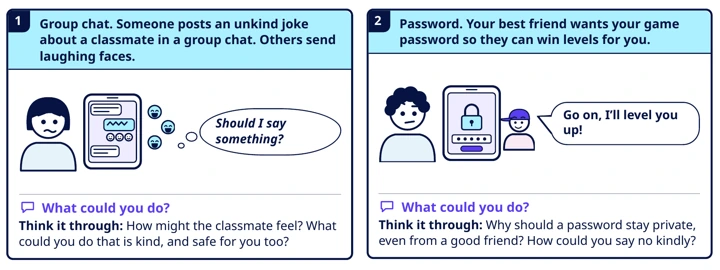
Discuss safer, kinder responses to online situations and identify who can help when a pupil is concerned.
Geography
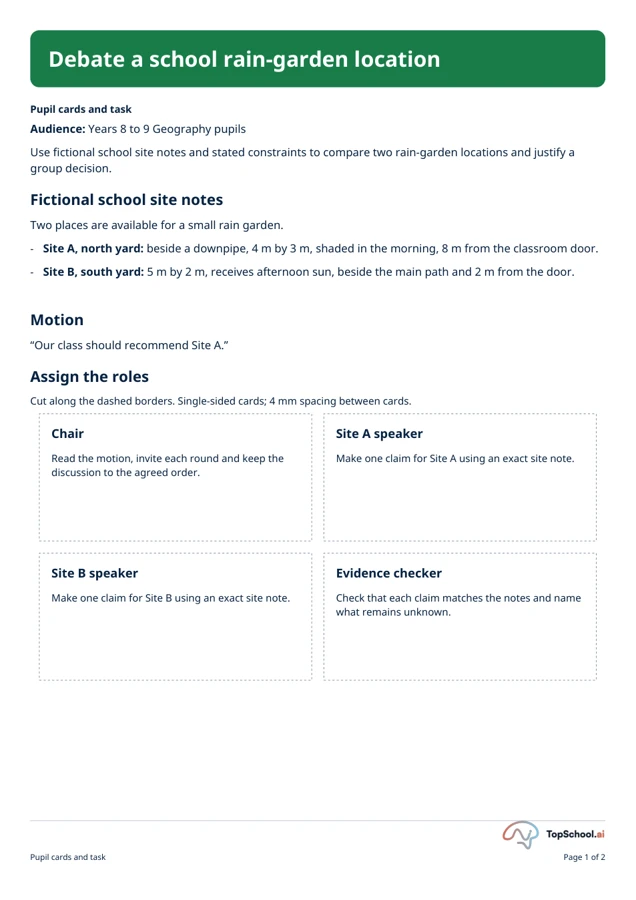
Use fictional school site notes and stated constraints to compare two rain-garden locations and justify a group decision.
Languages and literacy
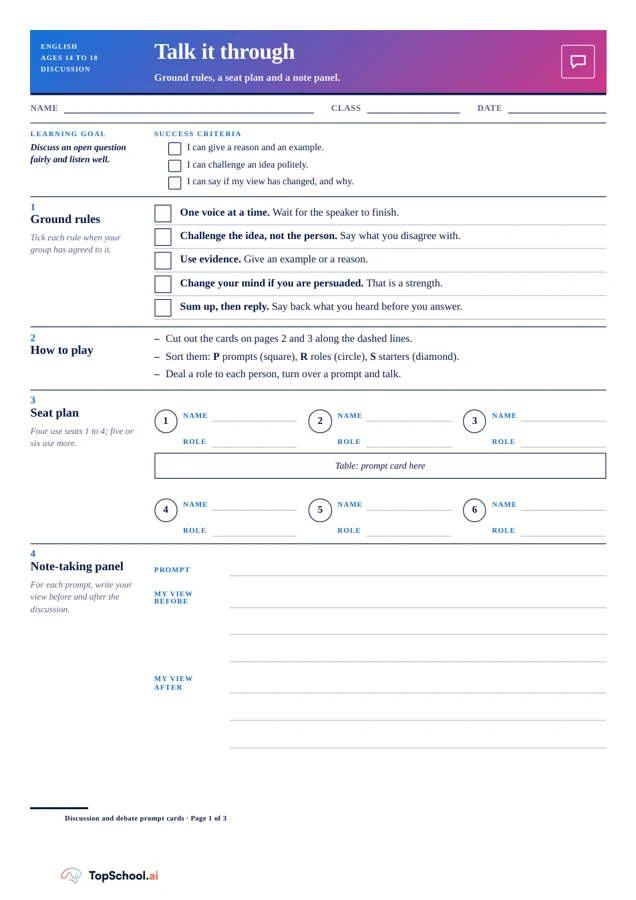
Contribute to a discussion by giving reasons and examples, challenging ideas respectfully and explaining whether or why a view changed.
History and social studies
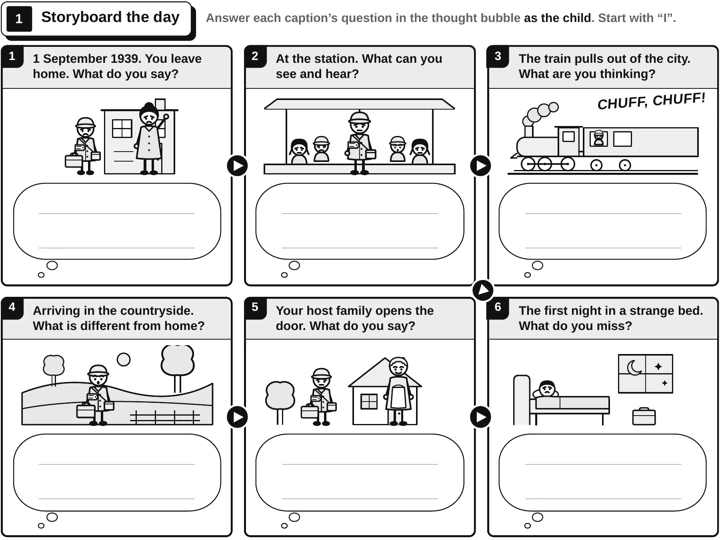
Write an imagined first-person diary using accurate historical context, sequence, senses and feelings.
Maths
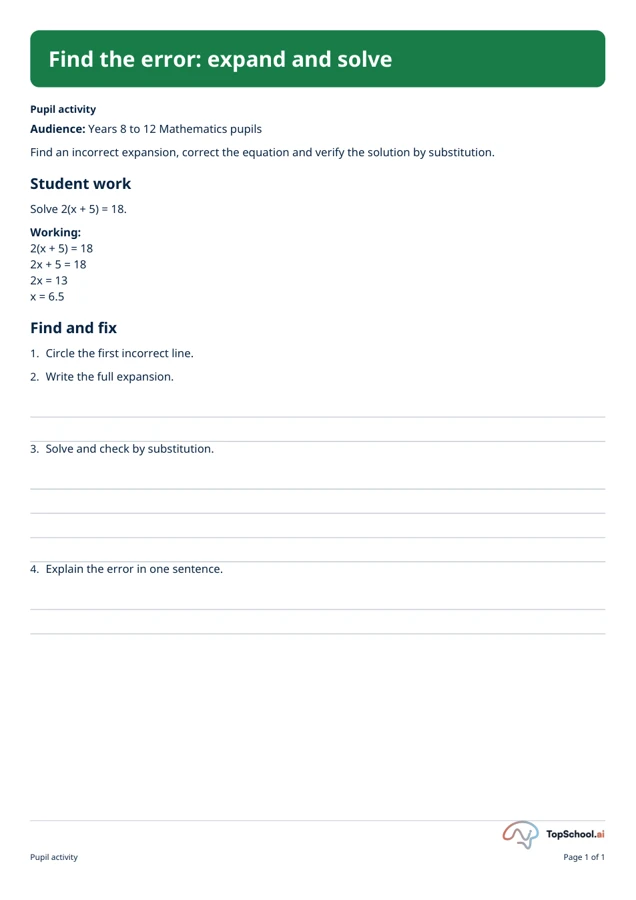
Find an incorrect expansion, correct the equation and verify the solution by substitution.
Geography
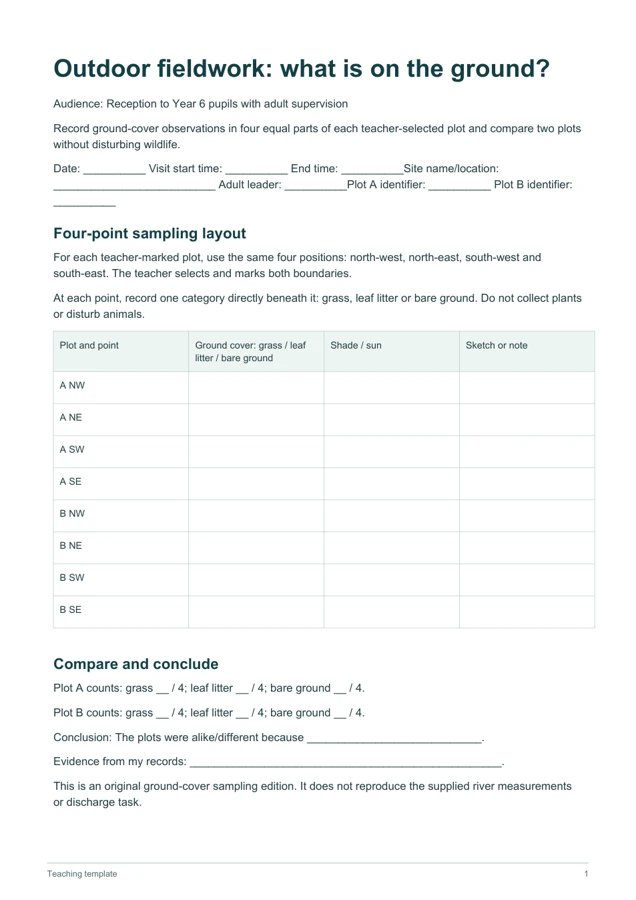
Record ground-cover observations in four equal parts of a teacher-selected plot and compare two plots without disturbing wildlife.
Geography
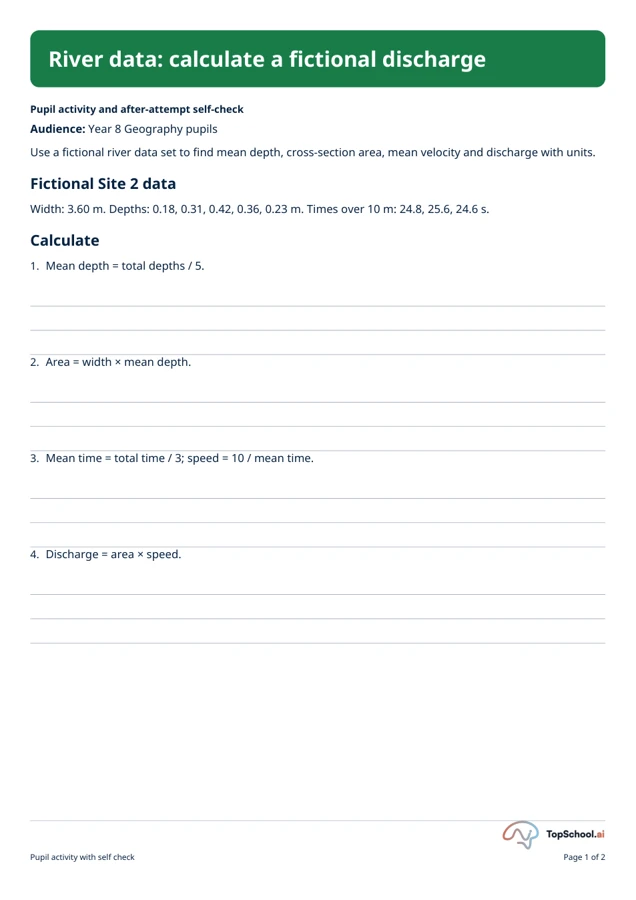
Use a fictional river data set to find mean depth, cross-section area, mean velocity and discharge with units.
Maths
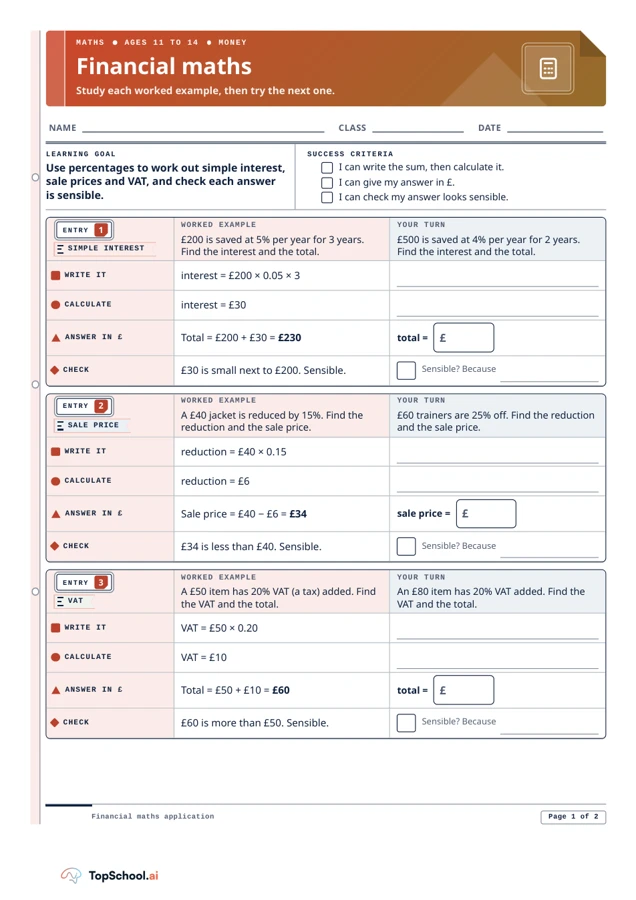
Calculate simple interest, percentage reductions and additions, currency amounts and a basic budget, showing working and units.
Design and technology
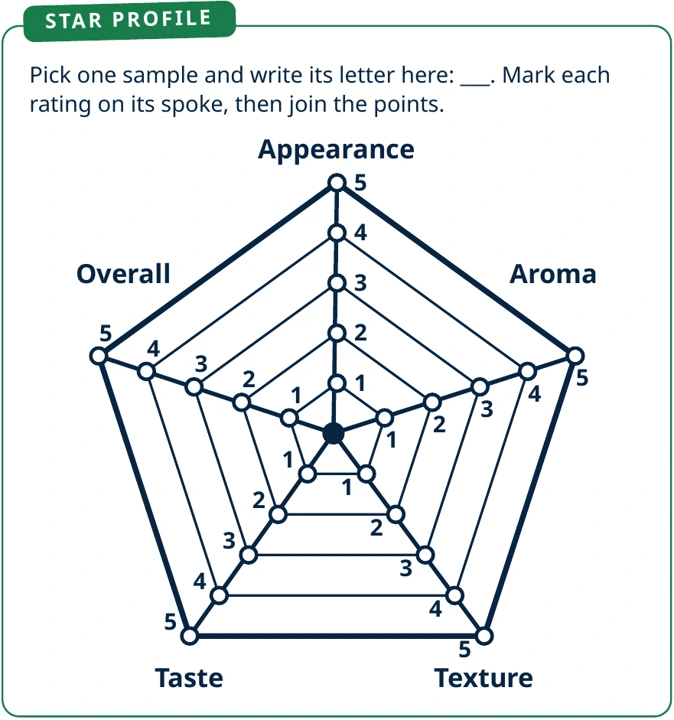
Use sensory terms to describe and compare samples and explain a preference using recorded evidence.
Maths
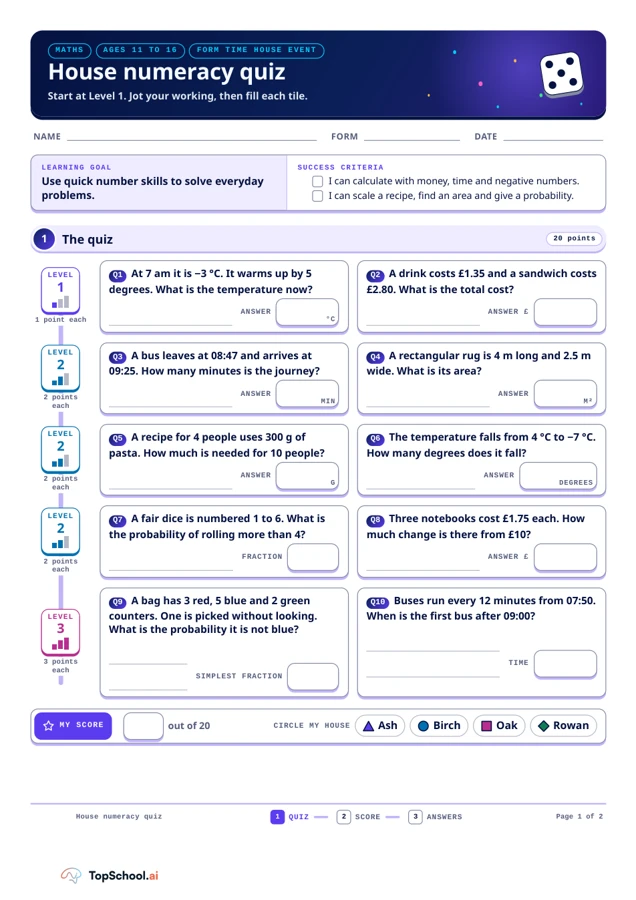
Solve short number problems and follow a points system to record individual and house totals.
Maths
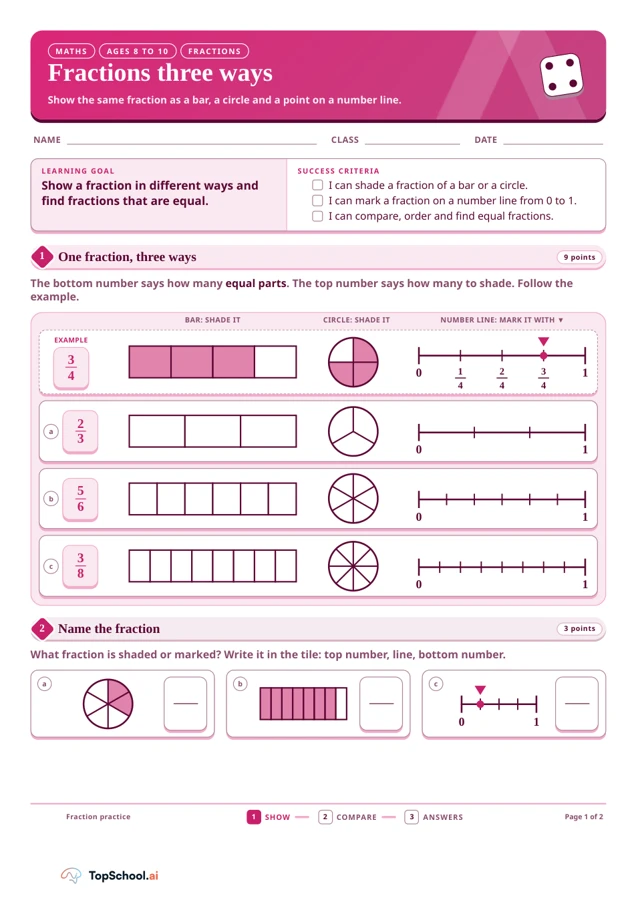
Represent fractions visually, recognise equivalent fractions, compare values and find a fraction of an amount.
Languages and literacy
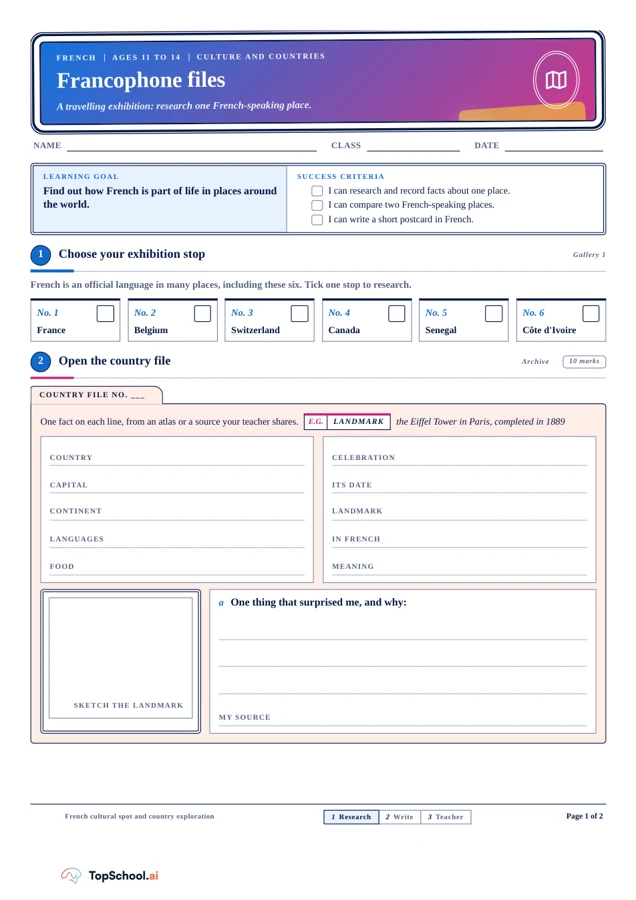
Research and compare two French-speaking places, recording sourced facts and writing a short postcard in French.
Languages and literacy
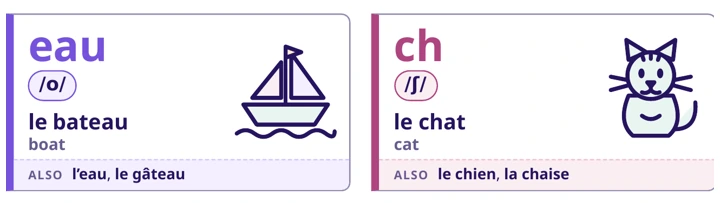
Recognise selected French spelling patterns, match them to example words and practise saying them.
Maths
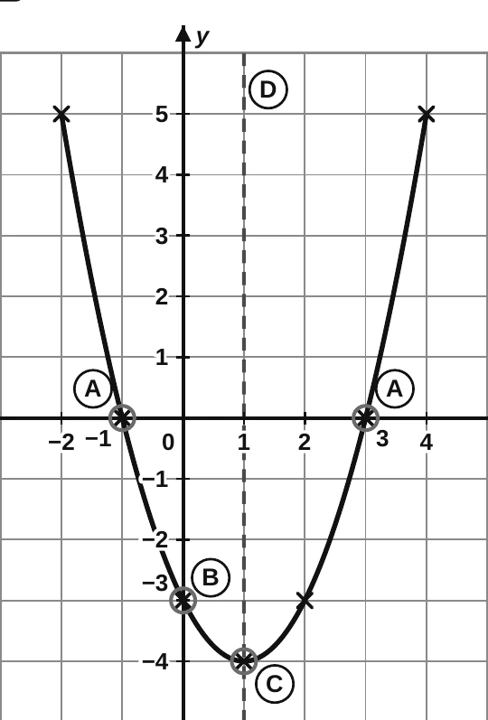
Calculate and graph a quadratic function and connect its algebraic forms to key graph features.
Languages and literacy
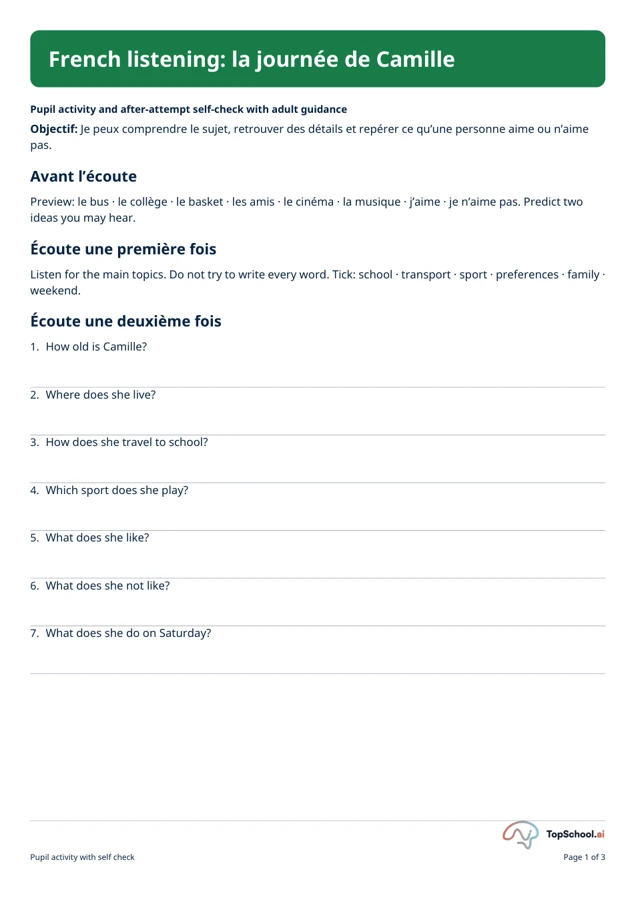
Identify the topic and retrieve key details, including a speaker’s likes and dislikes, from a short French account of a teenager’s weekday and weekend.
Languages and literacy
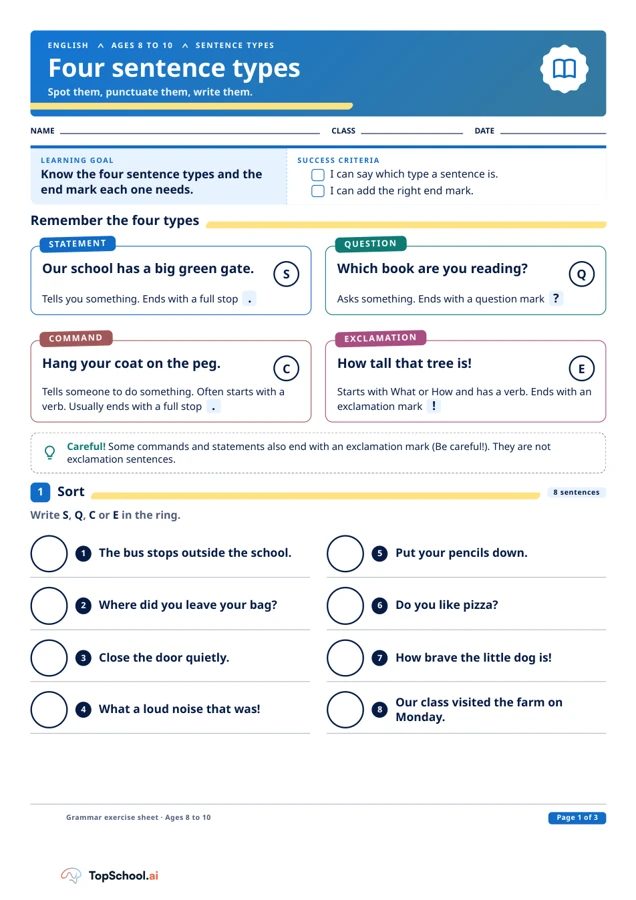
Identify four sentence types and use suitable end punctuation in a set of examples and original sentences.
Geography · Maths
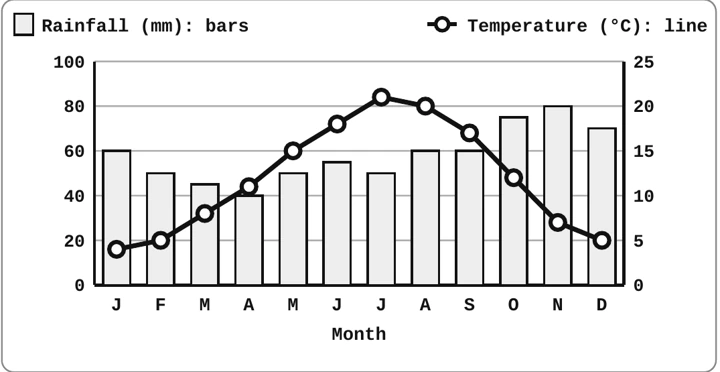
Read values from climate and population graphs, calculate with units and support an interpretation with data.
History and social studies
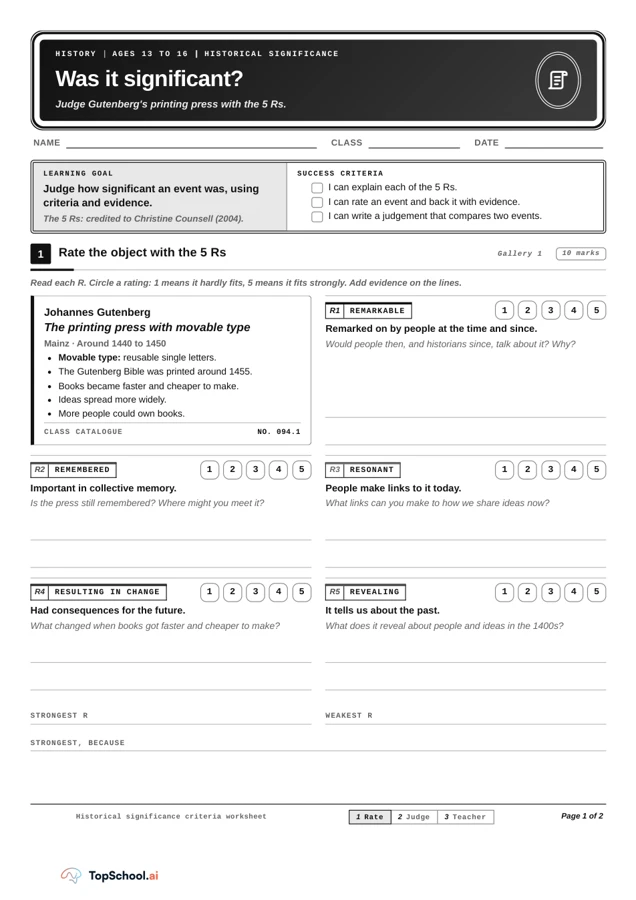
Apply significance criteria, support ratings with evidence and compare the significance of two historical subjects.
Science
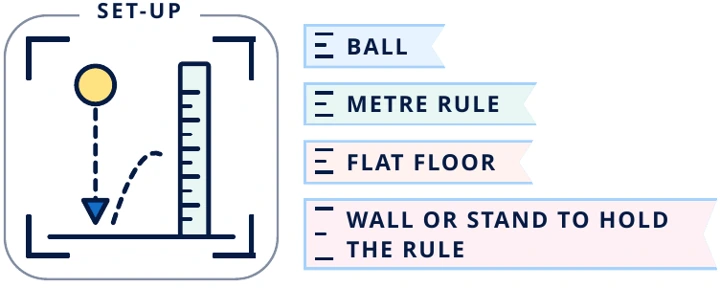
Plan a fair test with a clear question, variables, repeatable method and appropriate safety steps.
Science
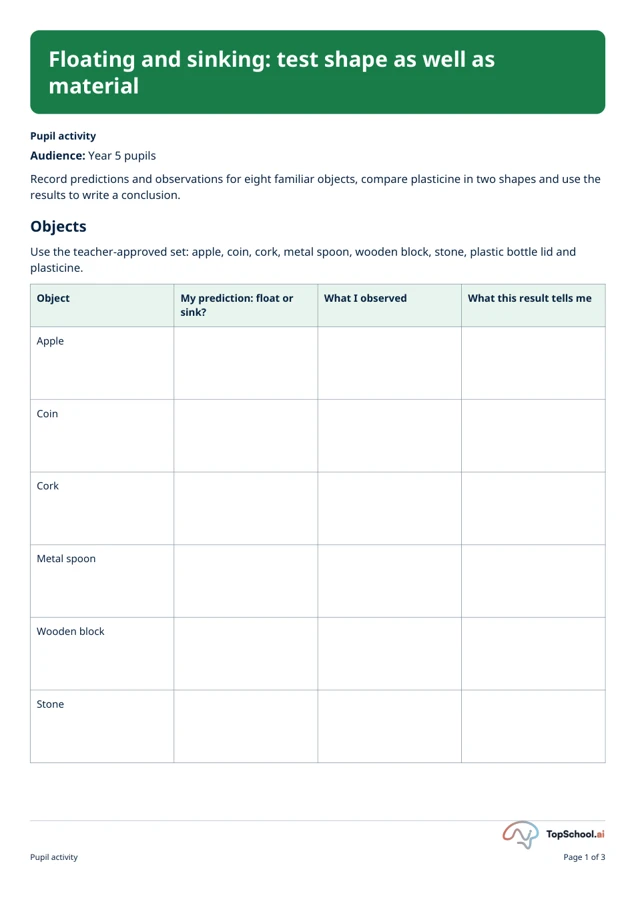
Record predictions and observations for eight familiar objects, compare plasticine in two shapes and use the results to write a conclusion.
Science
Use an inquiry chart to connect prior ideas, questions and information learned from a short text.
Design and technology
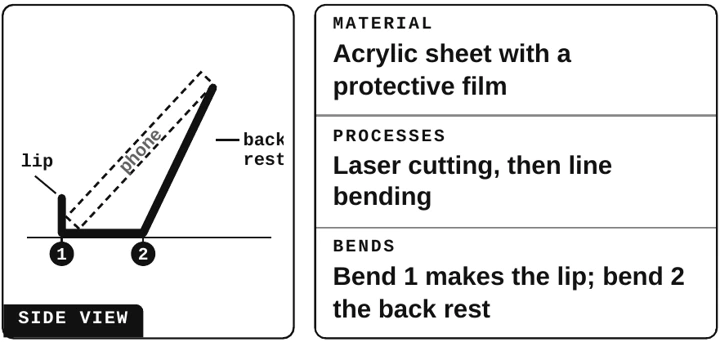
Plan a logical manufacturing sequence with tools, protective equipment, checks and a response to likely problems.
Geography
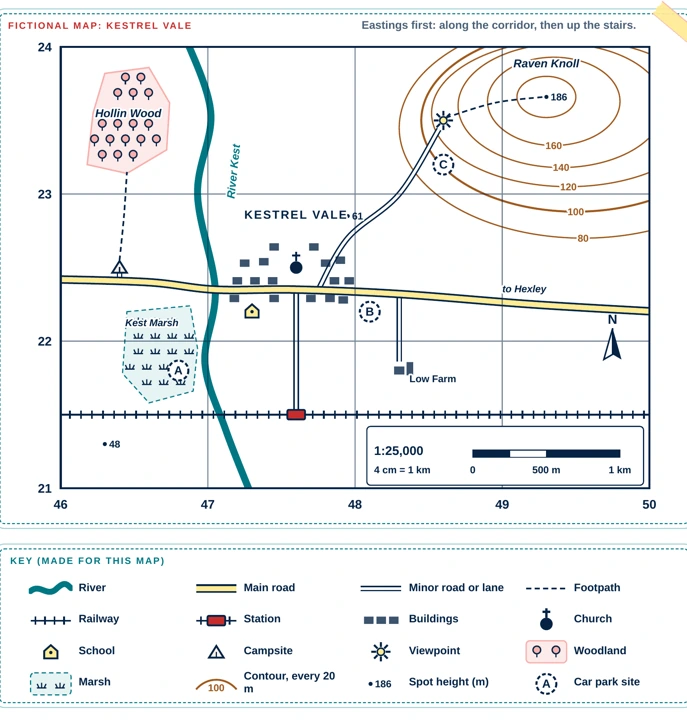
Locate places with four- and six-figure references, describe direction and distance, and justify a site choice with evidence from a fictional map.
Design and technology
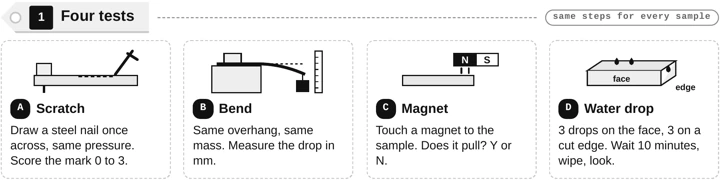
Compare material properties using consistent tests and justify a product choice with recorded evidence.
Maths
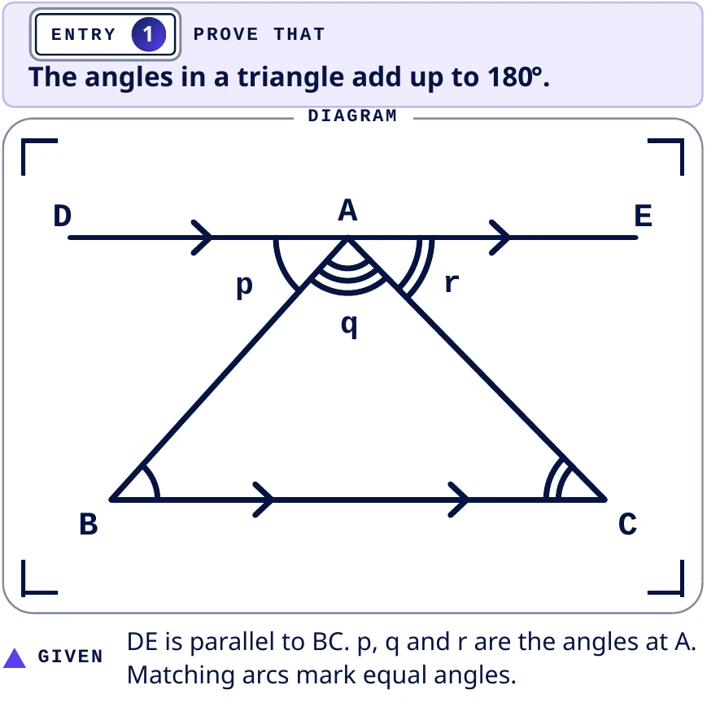
Build a geometric proof by recording statements, reasons and a conclusion in a logical order.
Maths
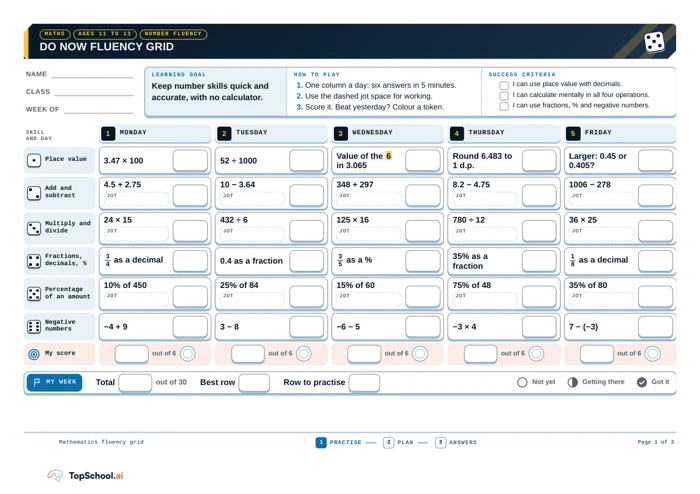
Practise a range of number calculations accurately and notice which skill needs more practice.
Languages and literacy
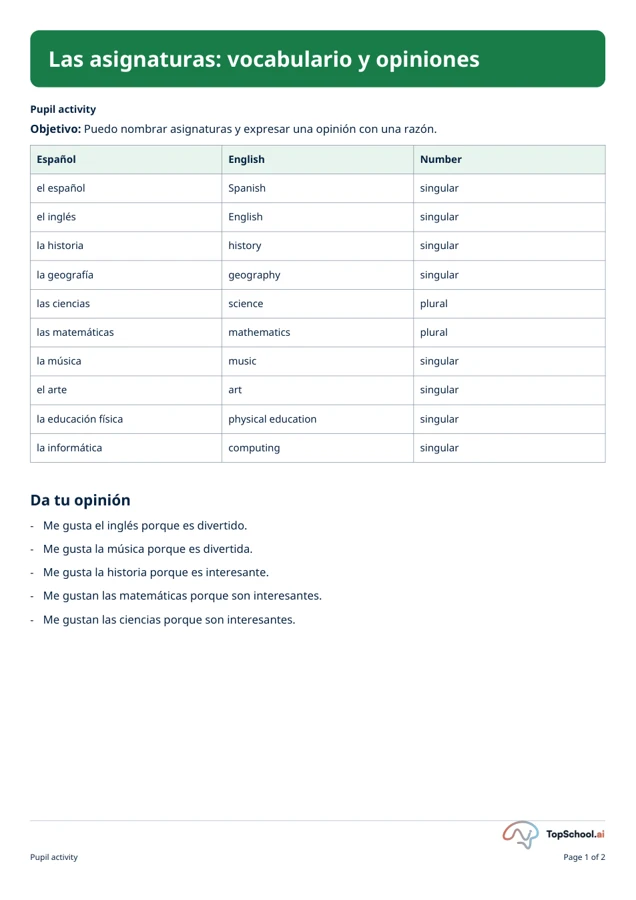
Recognise ten Spanish school-subject names and state a preference with a reason, using me gusta with a singular noun phrase and me gustan with a plural noun phrase.
Languages and literacy
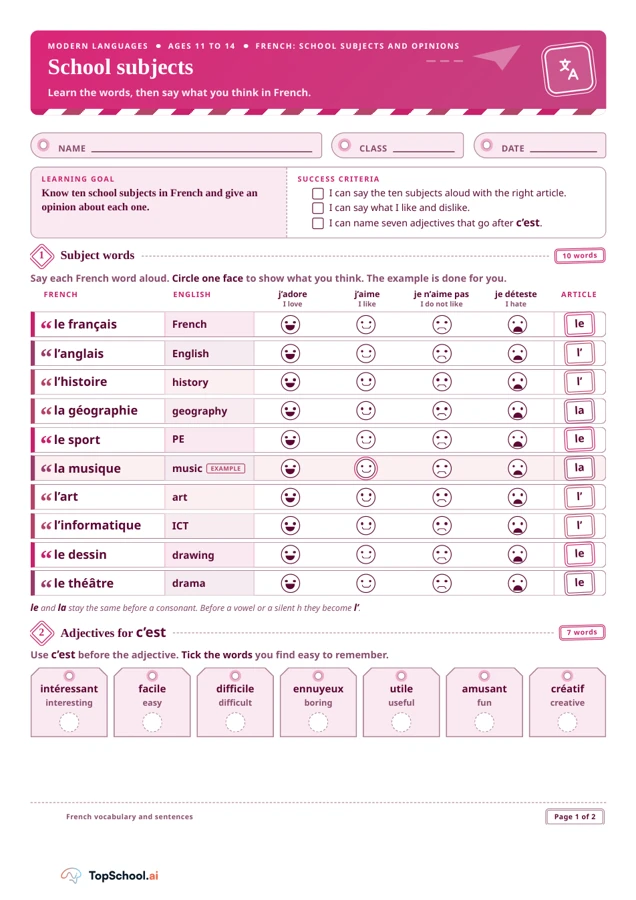
Use French school-subject vocabulary, an opinion phrase and an adjective to form a short reasoned sentence.
Maths
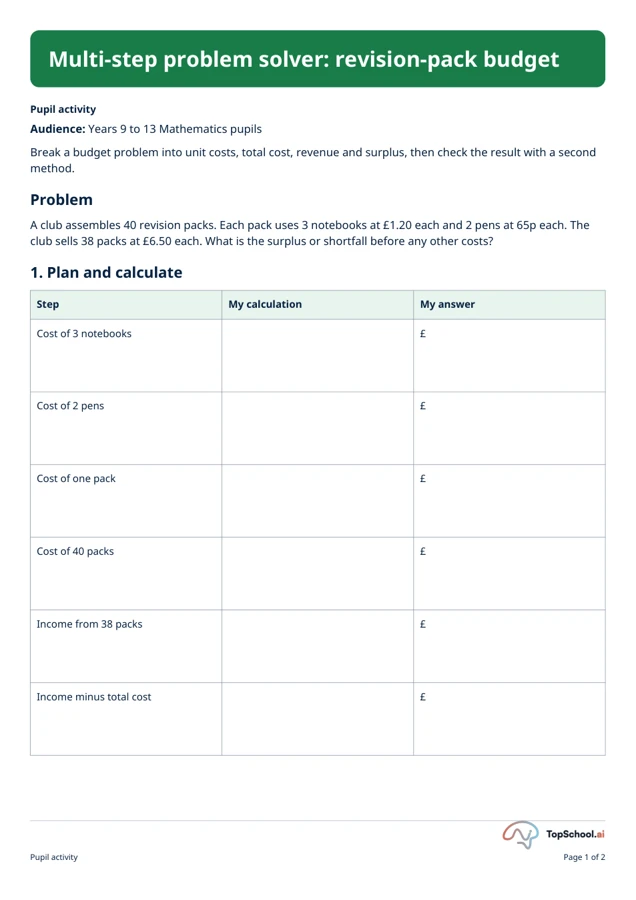
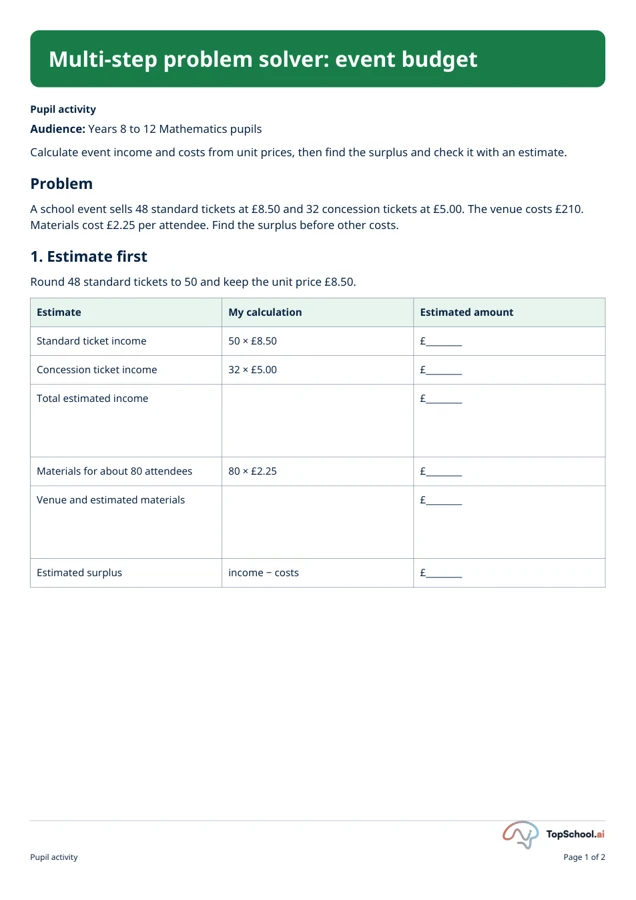
Break a budget problem into unit costs, total cost, revenue and surplus, then check the result with a second method.
Maths
Calculate event income and costs from unit prices, then find the surplus and check it with an estimate.
Maths
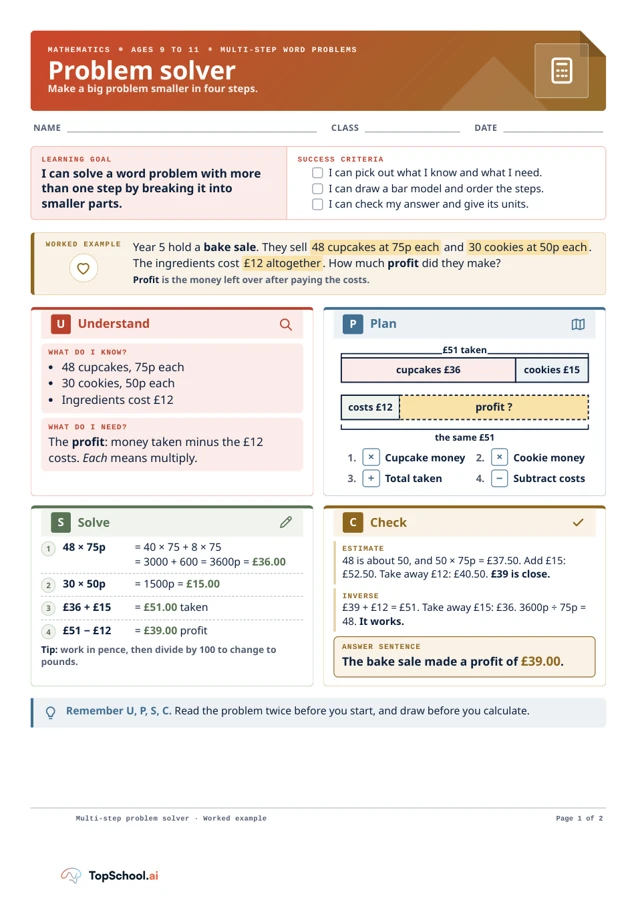
Solve a multi-step problem by identifying known information, ordering calculations and checking the result.
Maths
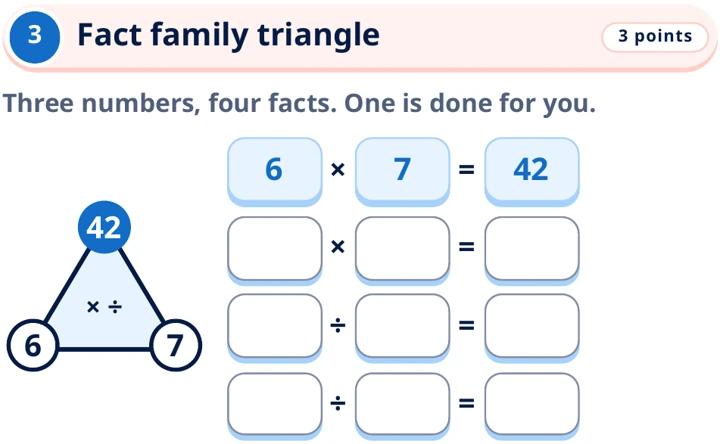
Recall selected 6, 7 and 8 multiplication facts, find a missing factor, and use a known multiplication fact to calculate a related division fact.
Music and performing arts
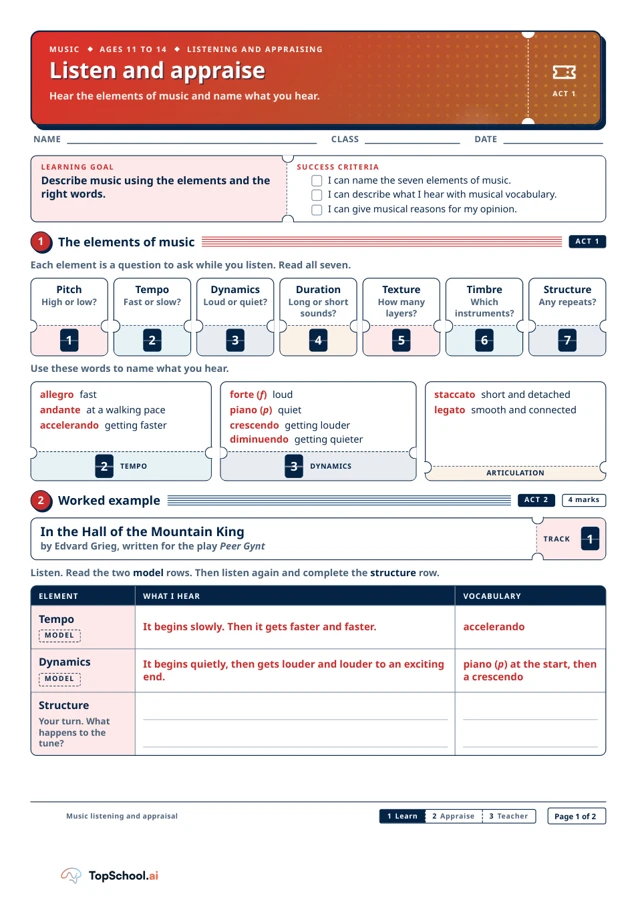
Describe and compare selected musical elements using appropriate vocabulary, and support an opinion with a specific observation from a piece.
Music and performing arts
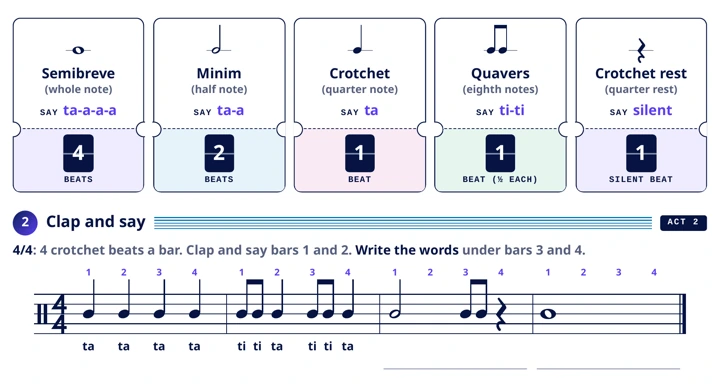
Name selected note values, keep a steady beat while clapping, and compose bars that contain four beats in 4/4 time.
Languages and literacy
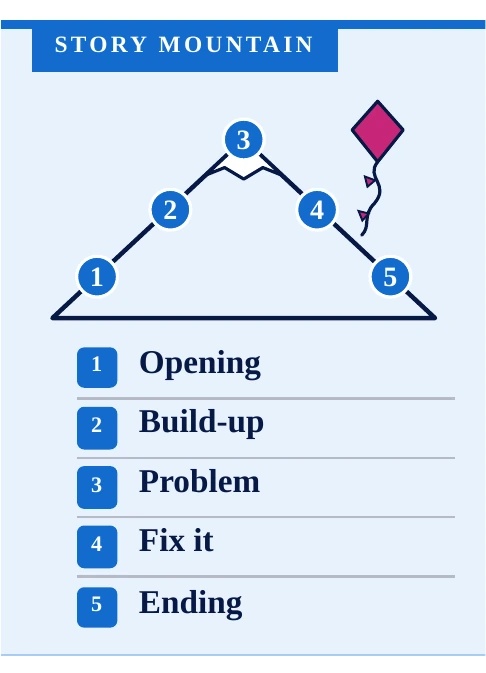
Plan and write a short narrative with an ordered beginning, build-up, problem, resolution and ending, using sentence punctuation and selected descriptive vocabulary.
Languages and literacy
Identify common non-fiction text features, explain their purpose for a reader, and retrieve stated facts efficiently by skimming and scanning.
Maths
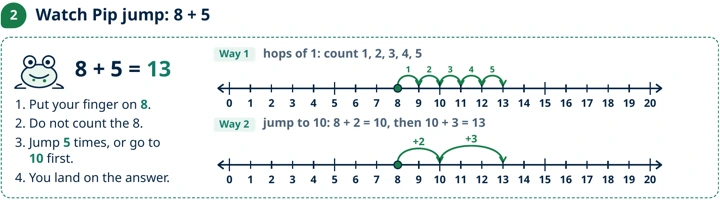
Represent addition and subtraction within 20 using forward and backward number-line jumps, and use those jumps to find a difference.
Science · Maths
Calculate the energy contributed by protein, carbohydrate and fat, compare a meal per 100 g, and state where the numerical inputs came from.
Languages and literacy
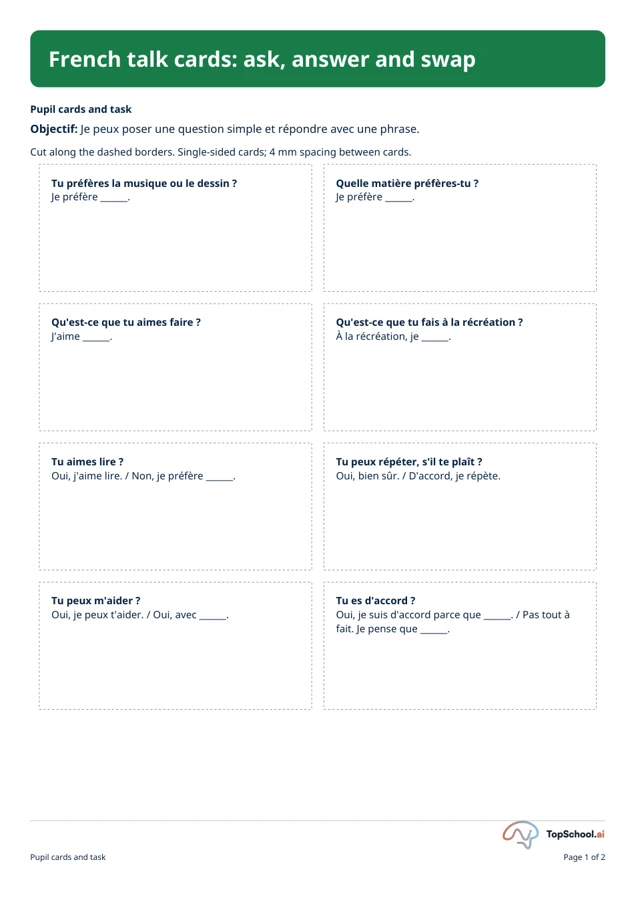
Ask and answer familiar French questions in a full phrase, take turns and use a clarification request when needed.
Languages and literacy
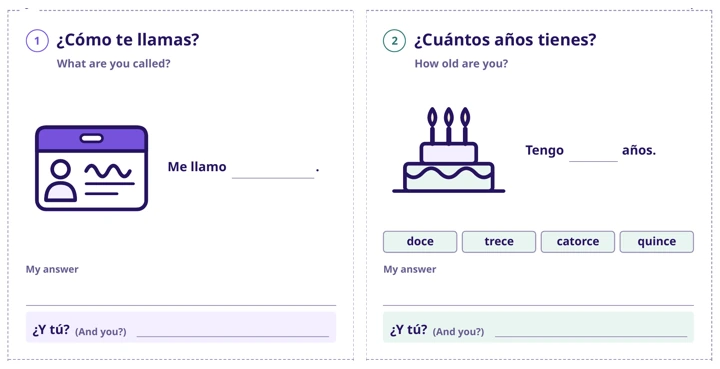
Ask and answer familiar questions in Spanish using a full sentence, then combine two answers into one longer spoken or written sentence.
Languages and literacy
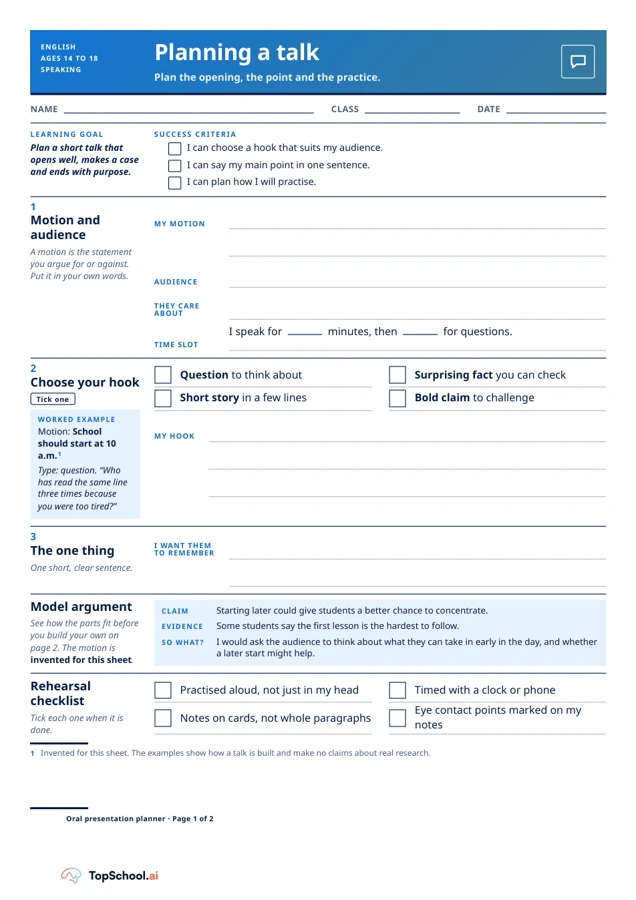
Plan and organise a short oral argument with a clear point, relevant evidence, an explanation, a counter-argument, a reply and a conclusion linked to the opening.
Languages and literacy
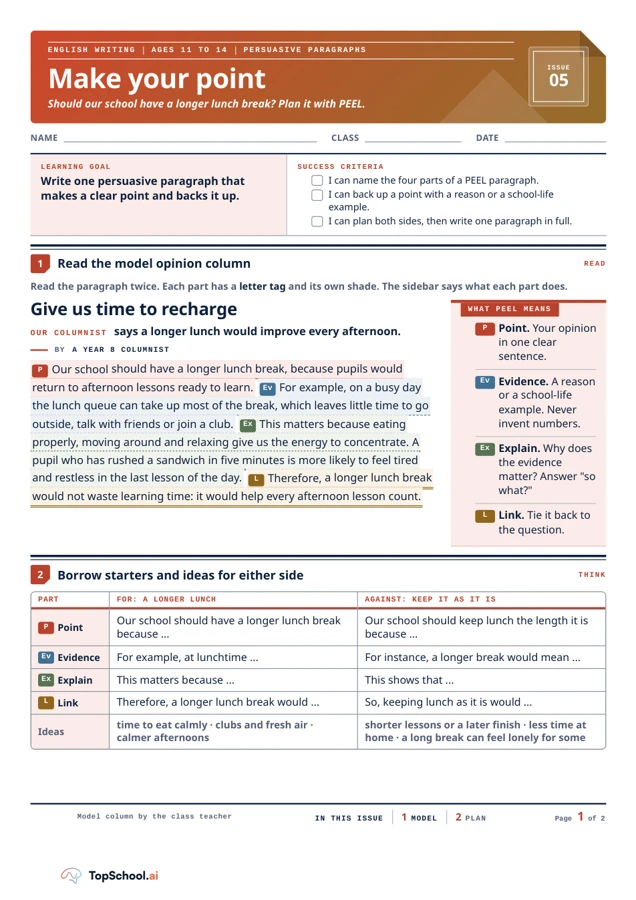
Plan and write a persuasive paragraph with a clear point, relevant evidence, an explanation of why it matters and a link back to the question.
PE and health
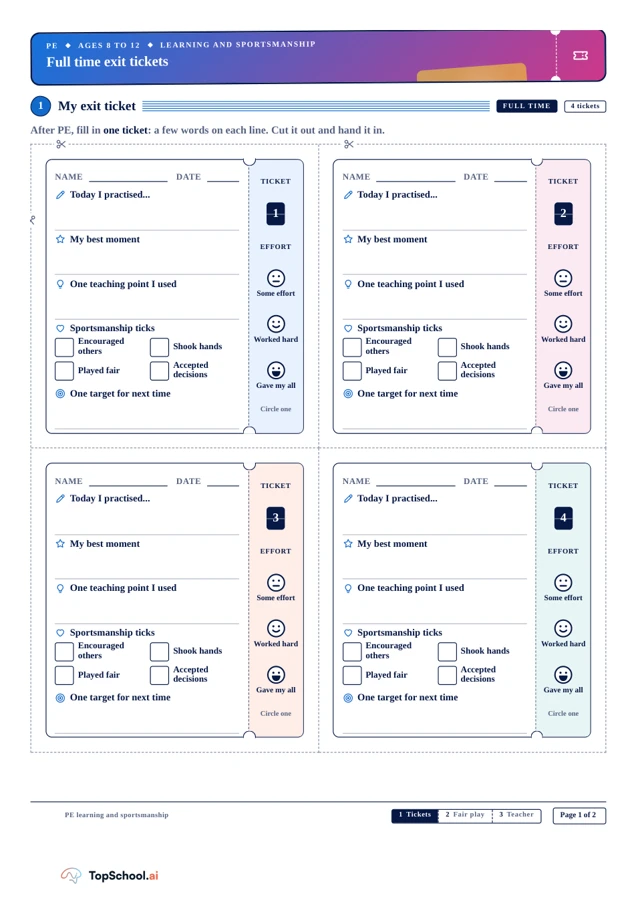
Describe a PE skill practised, identify an example of fair play and set one specific target for a future lesson.
PE and health
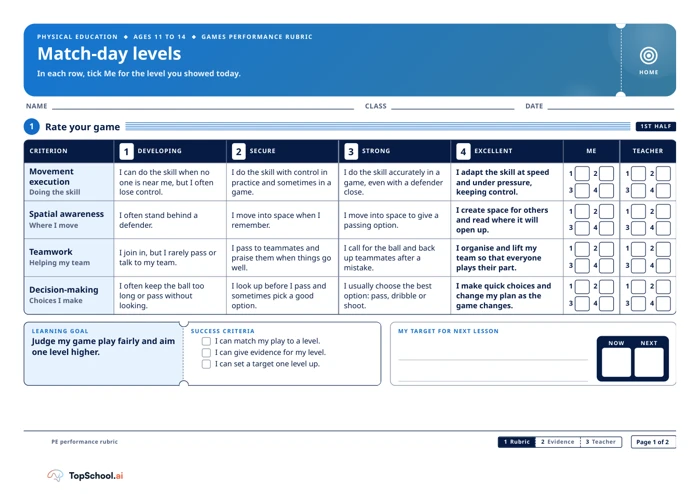
Use shared PE descriptors to select a performance level, support it with observable evidence and choose a realistic next target.
PE and health
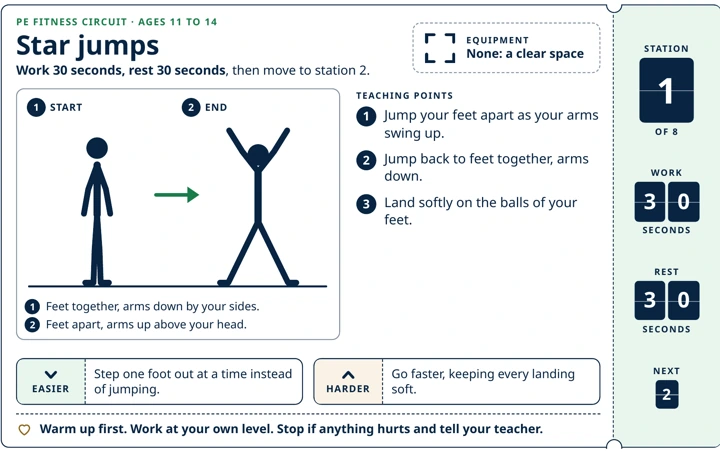
Follow a station card to practise a movement, use its teaching points and select an appropriate variation while following the stated safety directions.
Languages and literacy
Hear and sort familiar words by their initial sound or rhyming ending, then give an example that fits a chosen sound pattern.
Languages and literacy
Read and spell the printed sh words by looking closely at the spelling, recalling it after covering, writing it and checking the result.
Languages and literacy
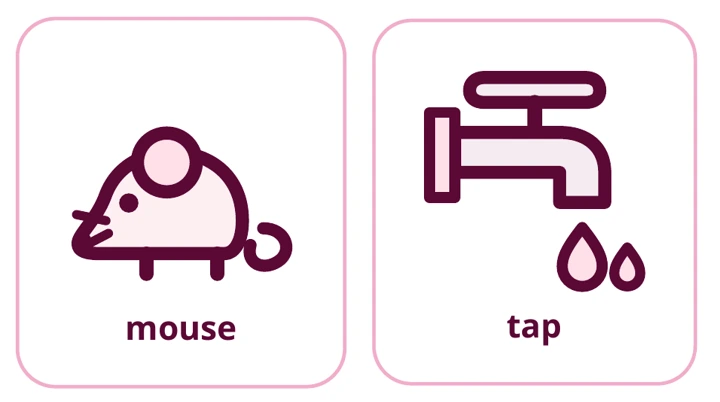
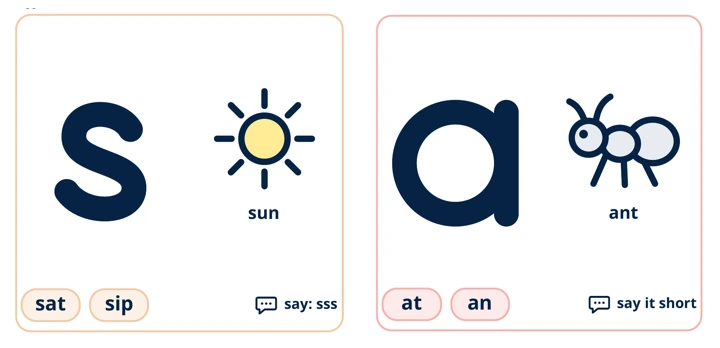
Say the initial sound for each pictured item and connect that sound with the supplied example words, using clear oral practice with familiar names.
Languages and literacy
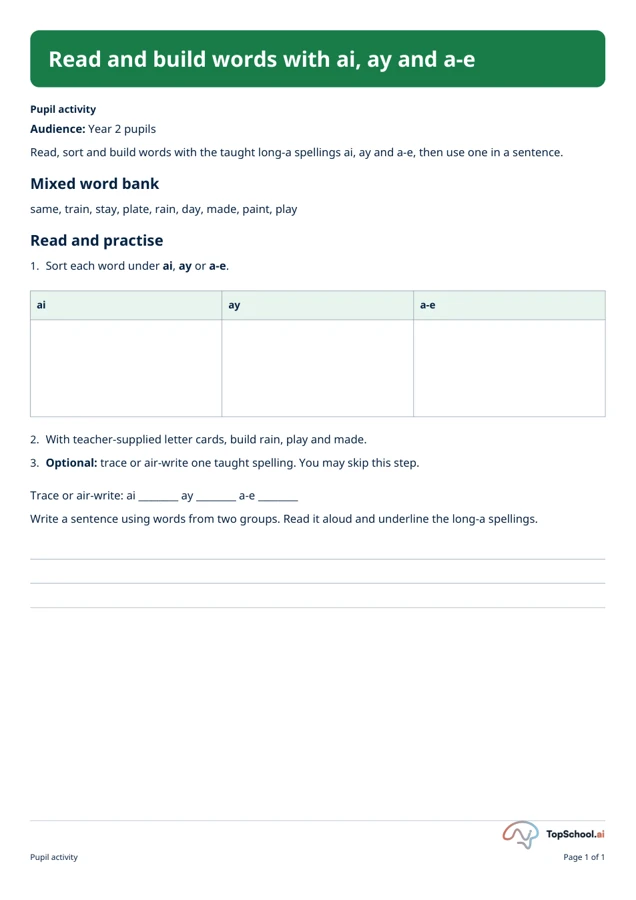
Read, sort and build words with the taught long-a spellings ai, ay and a-e, then use one in a sentence.
Languages and literacy
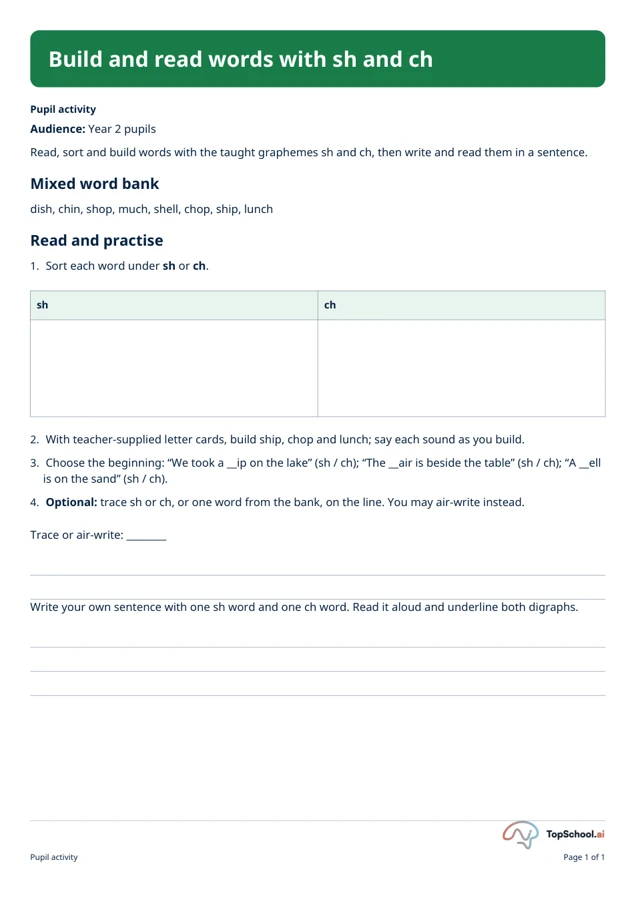
Read, sort and build words with the taught graphemes sh and ch, then write and read them in a sentence.
PE and health
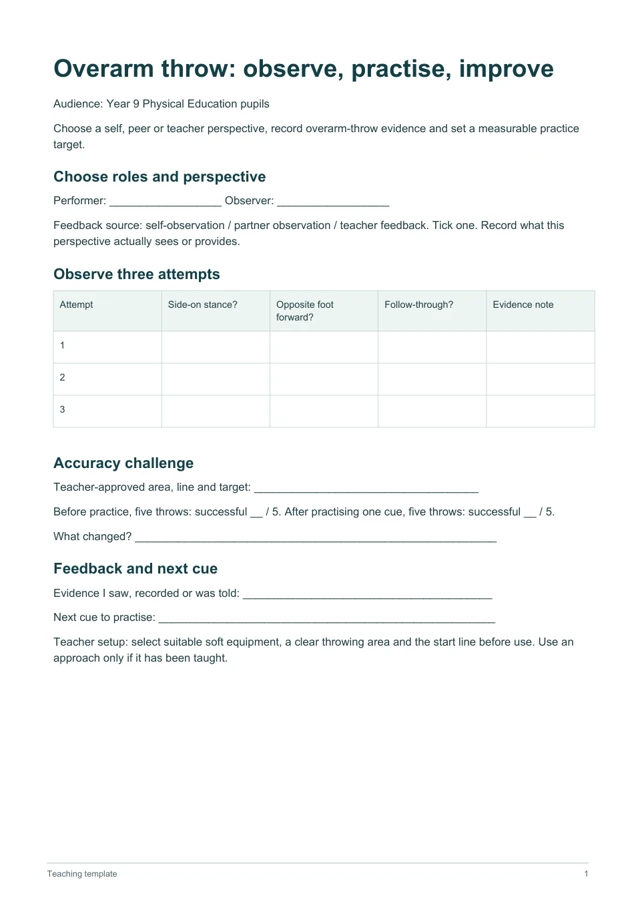
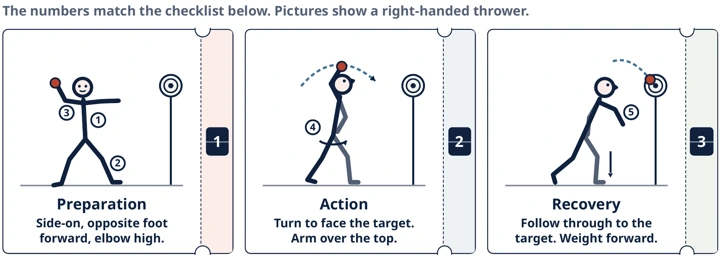
Observe an overarm throw from an identified self, peer or teacher perspective, record visible evidence and set a measurable practice target.
PE and health
Identify five parts of an overarm throw, observe them across attempts and give a partner one safe, specific practice suggestion.
History and social studies
Explain selected medieval England vocabulary, match historical terms with their meanings and use at least three terms in a short evidence-focused paragraph.
Science
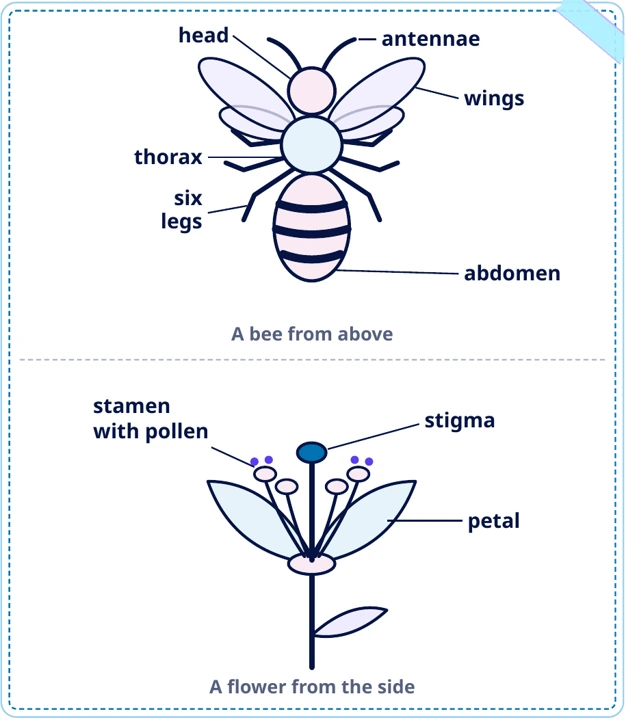
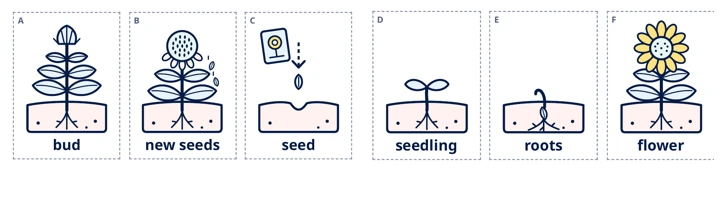
Sequence the pictured stages from seed to new seeds and retell the sequence using clear ordering words and plant vocabulary.
Maths
Represent three-digit numbers in hundreds, tens and ones, partition them and calculate addition or subtraction in columns, exchanging when required.
Science
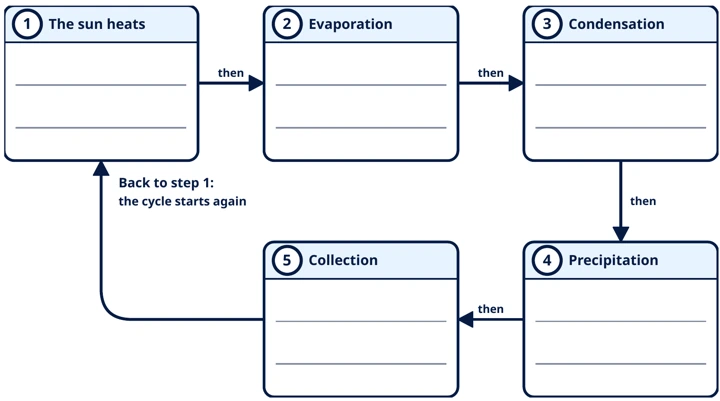
Represent a process in order, explain each step in their own words and show where a cycle returns or repeats.
Computing
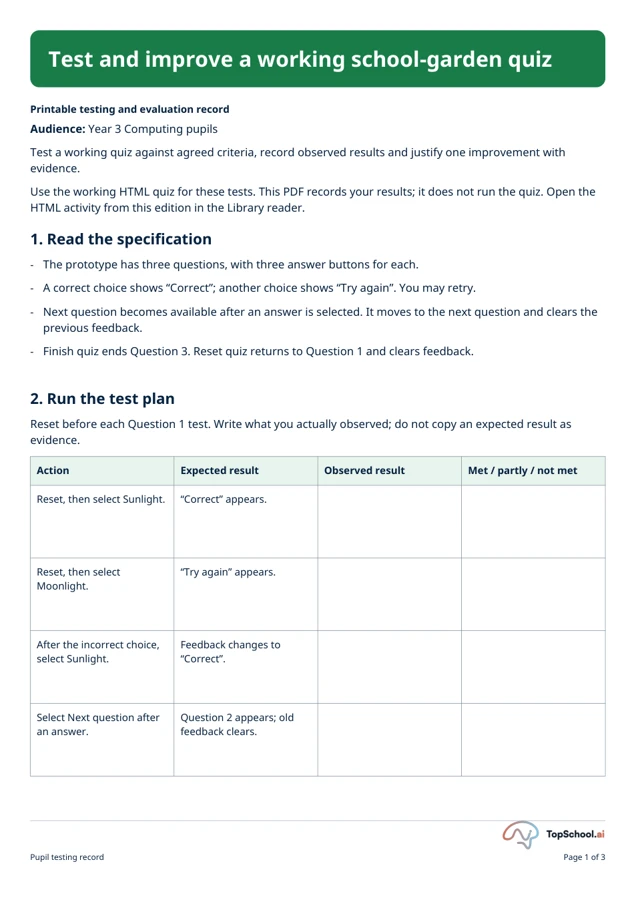
Test a working quiz against agreed criteria, record observed results and justify one improvement with evidence.
Design and technology
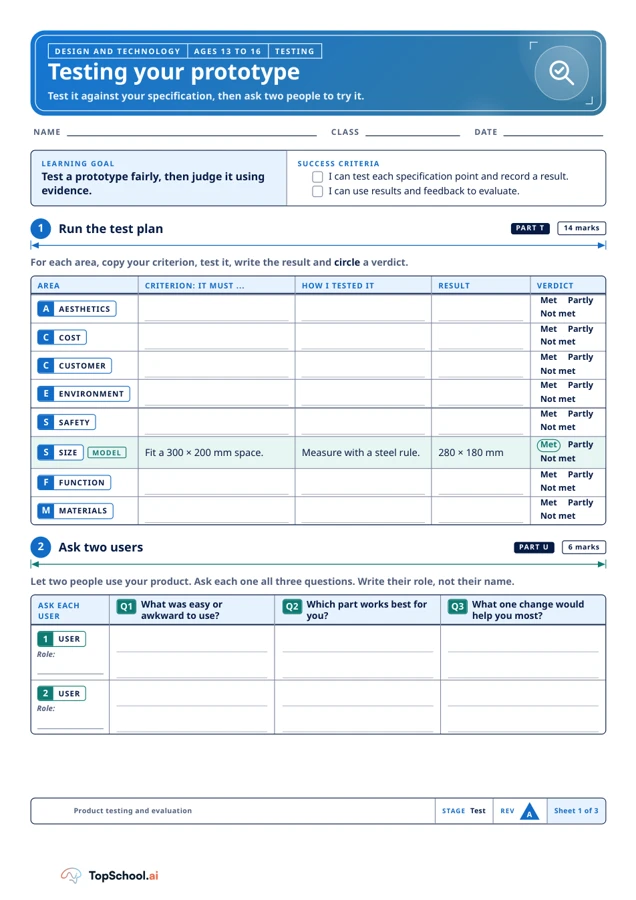
Test a prototype against specified criteria, record results and use evidence from tests and user feedback to justify an evaluation.
Languages and literacy
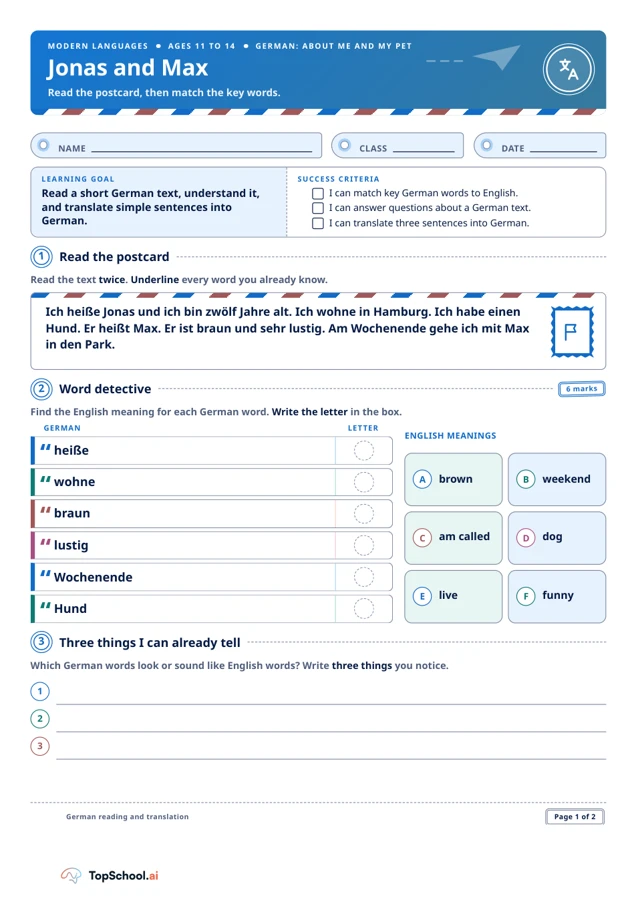
Find information in a short German text, connect key words with English meanings and translate simple sentences using the postcard as a model.
English reading
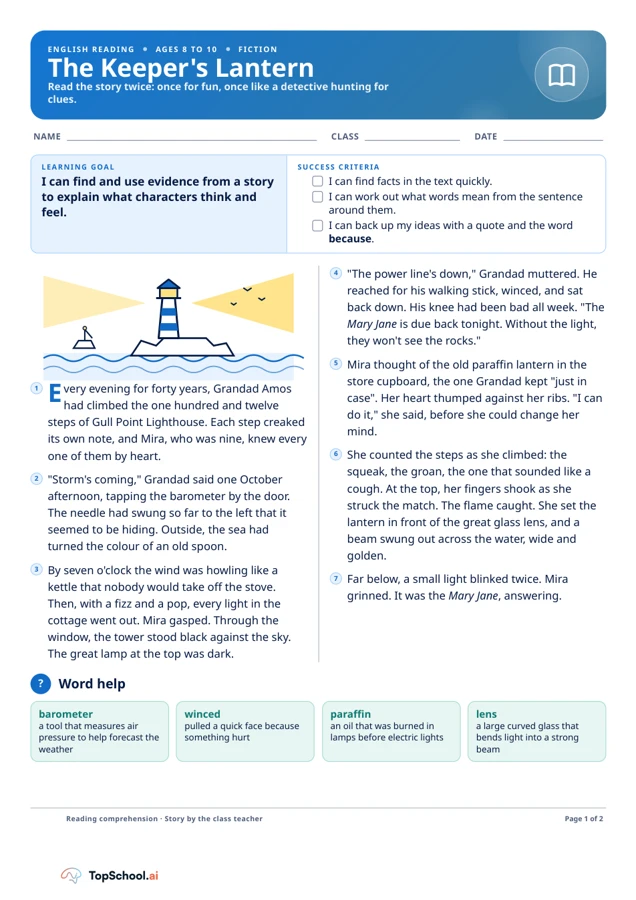
Find stated details, use context to consider word meaning, support an inference with a quotation and summarise the story briefly.
Languages and literacy
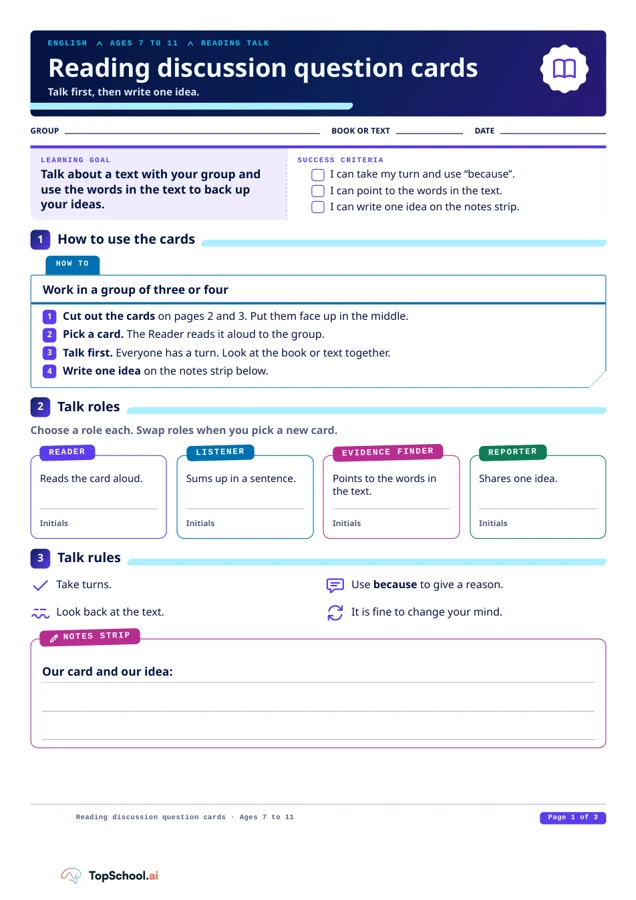
Take turns discussing a text, use evidence to support an idea and record one response from the group’s conversation with a quotation or passage detail.
Languages and literacy
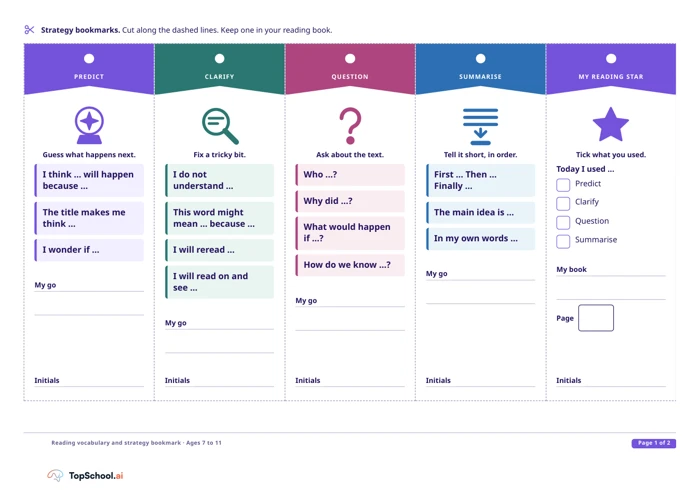
Choose a useful reading strategy, use a prompt to apply it and record vocabulary with a meaning or example for later reading.
Maths
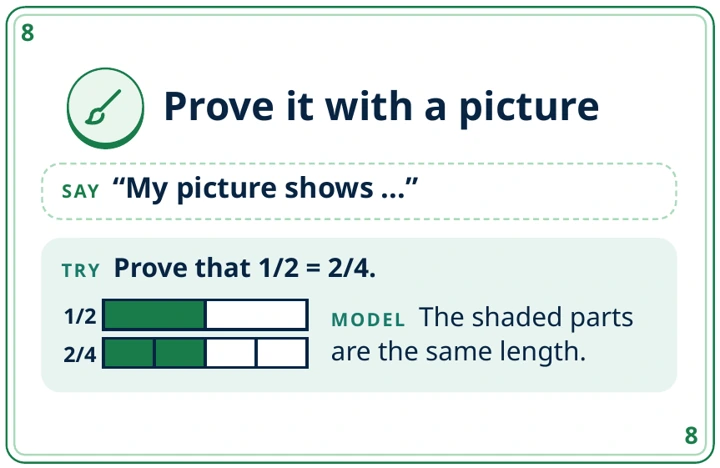
Explain a mathematical claim using an example, representation or calculation, then listen to a partner’s reasoning, compare approaches and explain why.
Music and performing arts
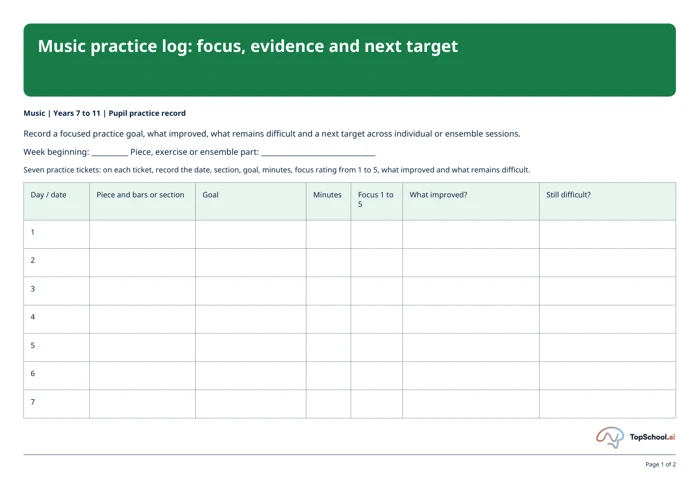
Record a focused practice goal, what improved, what remains difficult and a next target across individual or ensemble sessions.
Music and performing arts
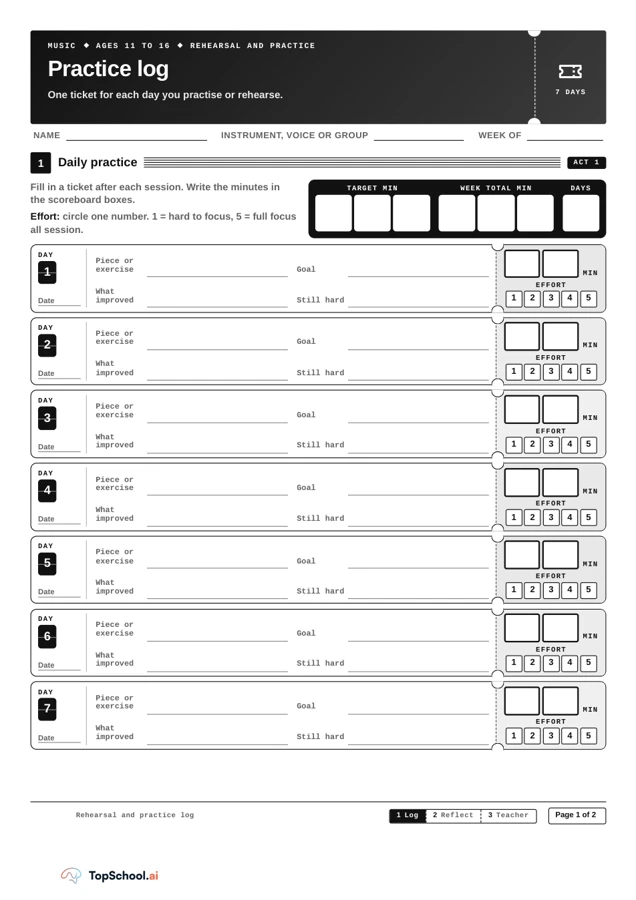
Record practice, choose a strategy for a musical challenge and set a specific target for the next lesson or rehearsal.
Science
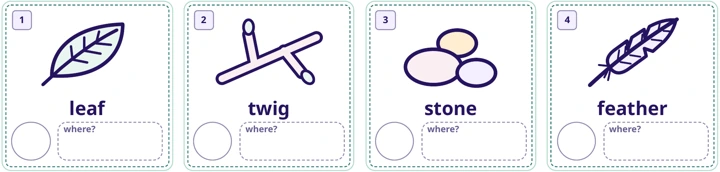
Find and record examples of natural features, say where they were noticed, compare rough and smooth textures and make a drawing or rubbing from a safe surface.
Science
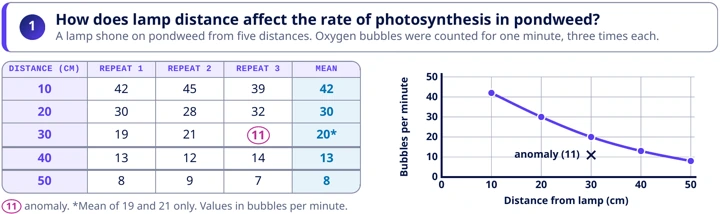
Use two or more values with units to support a claim, connect a pattern to a science idea and judge how strong the evidence is.
Languages and literacy · Science
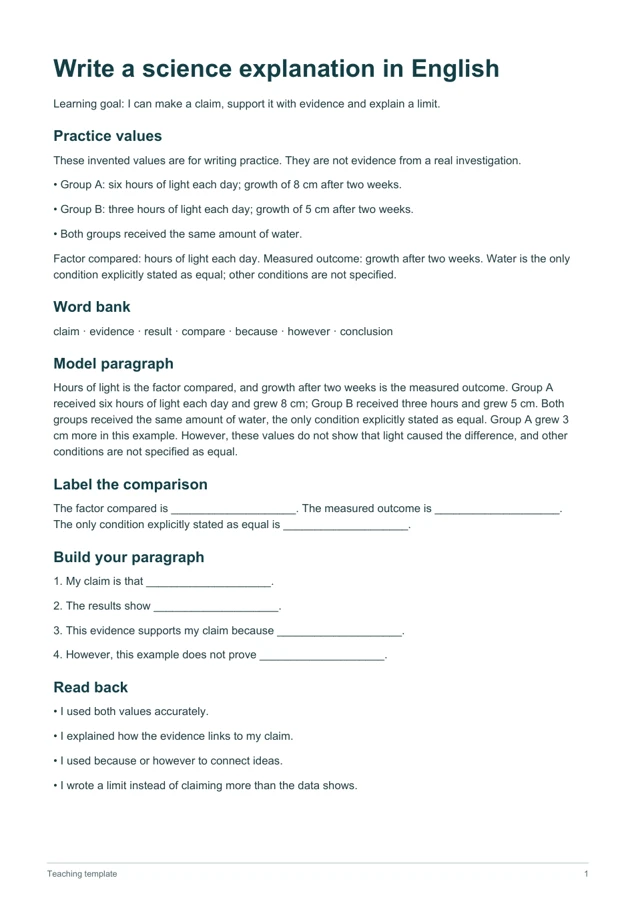
Write a connected English paragraph that makes a claim, quotes a result and explains what the evidence does and does not show.
Languages and literacy
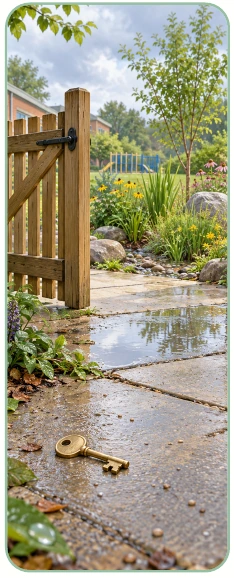
Describe a moment from a visual prompt in clear English, choose only the sentence frames that help and reread for sequence and detail.
Languages and literacy
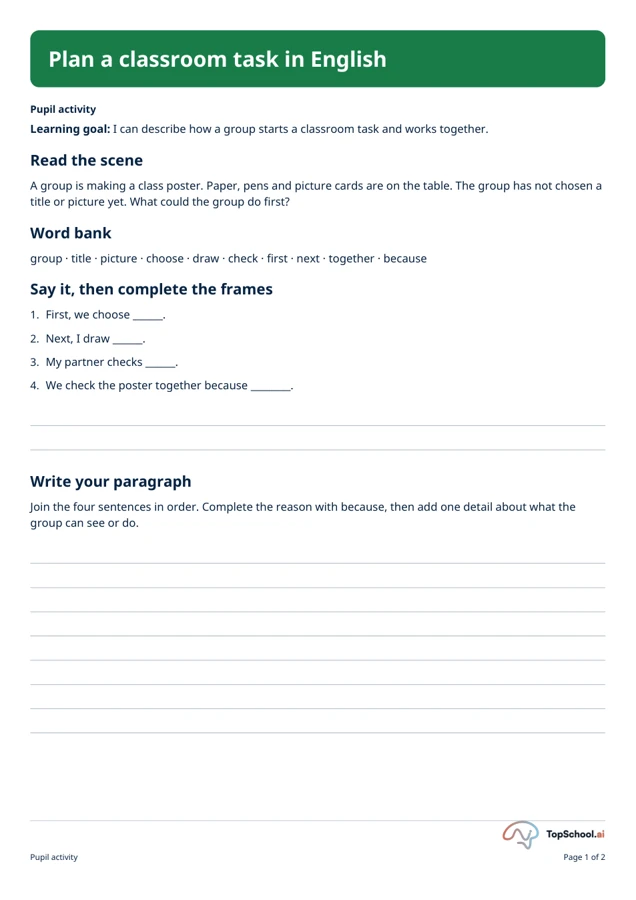
Write a short sequence of connected English sentences that describes how a group begins a classroom task and works together.
Languages and literacy
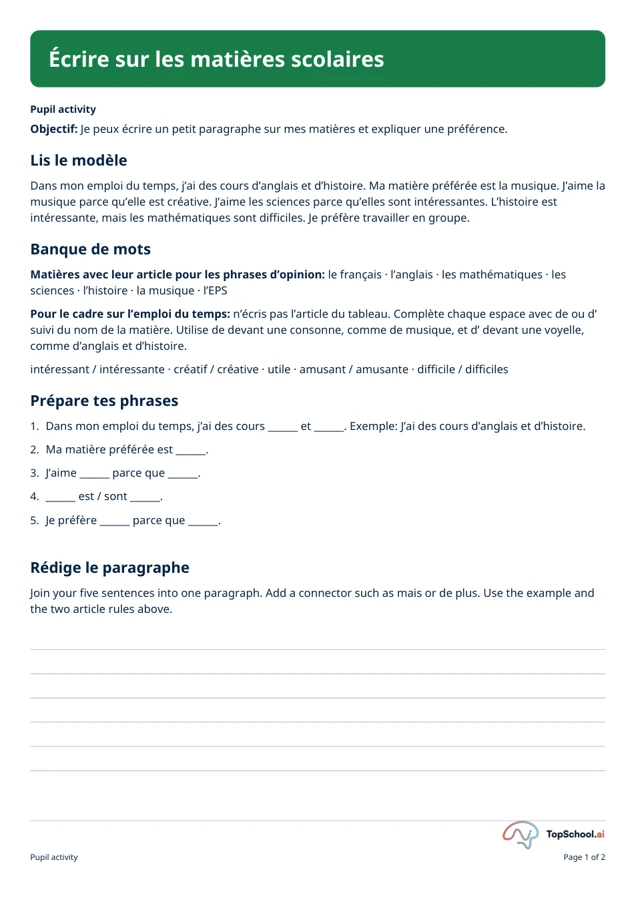
Write one short paragraph of five connected French sentences about school subjects, using a preference, a reason and suitable adjective agreement.
Languages and literacy
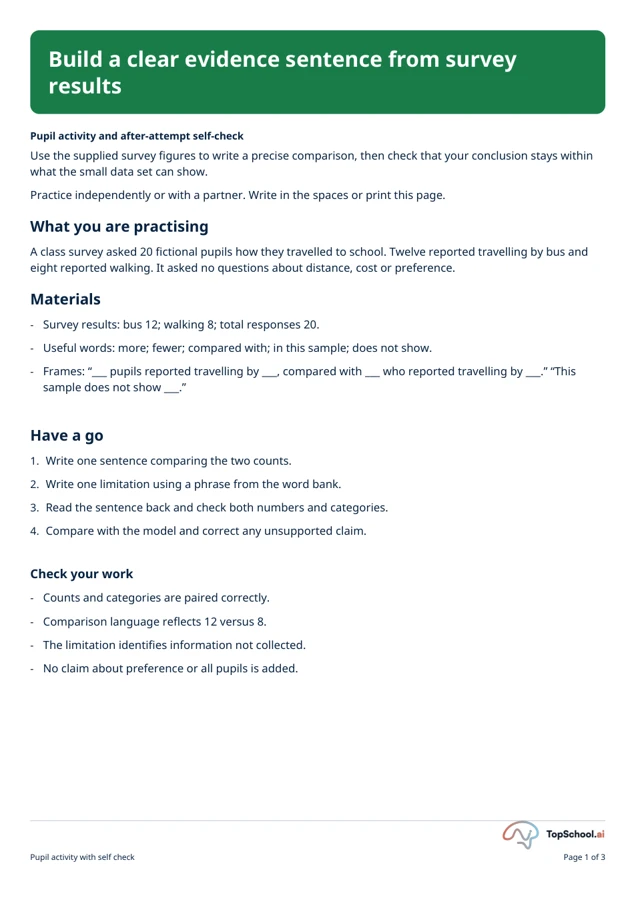
Build a sentence that reports two values accurately and a second sentence that states a limitation.
Languages and literacy
Build five to seven clear sentences about who is present, where the scene happens, how a character feels and what happens next.
Languages and literacy
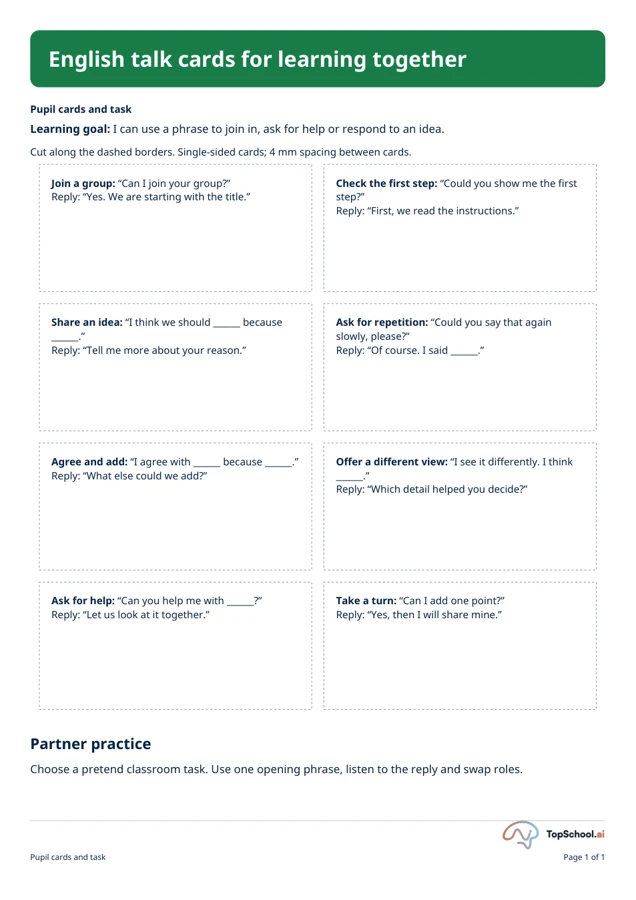
Use a clear English phrase to enter a conversation, ask for clarification and respond to a partner’s idea.
Languages and literacy
Use a starter phrase to express an observation, preference, feeling, idea, question or request during a supported conversation and listen to a partner.
Music and performing arts
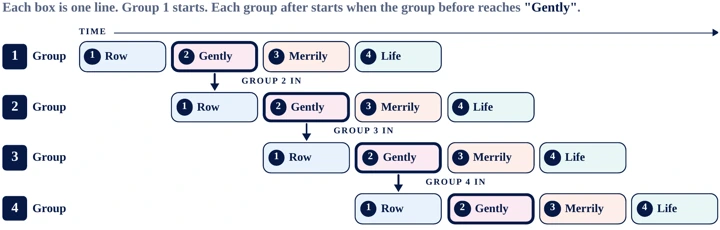
Follow a musical line, use dynamic and breathing cues, enter at the agreed point and maintain a part while other groups sing.
Science
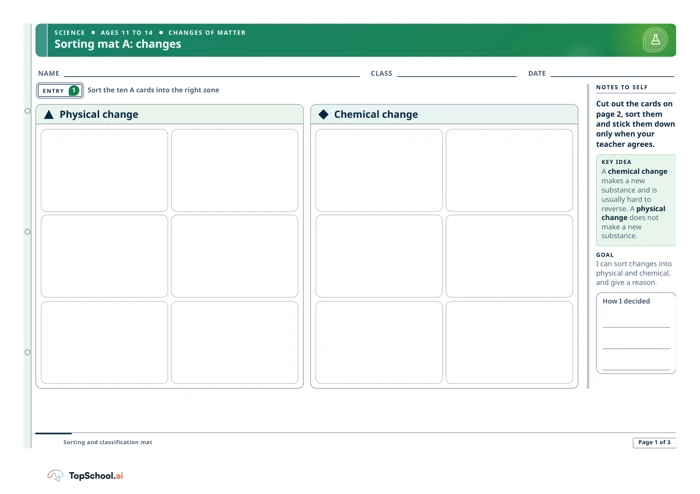
Classify changes and types of substance using the definitions on the mats, then give a reason for each classification.
History and social studies
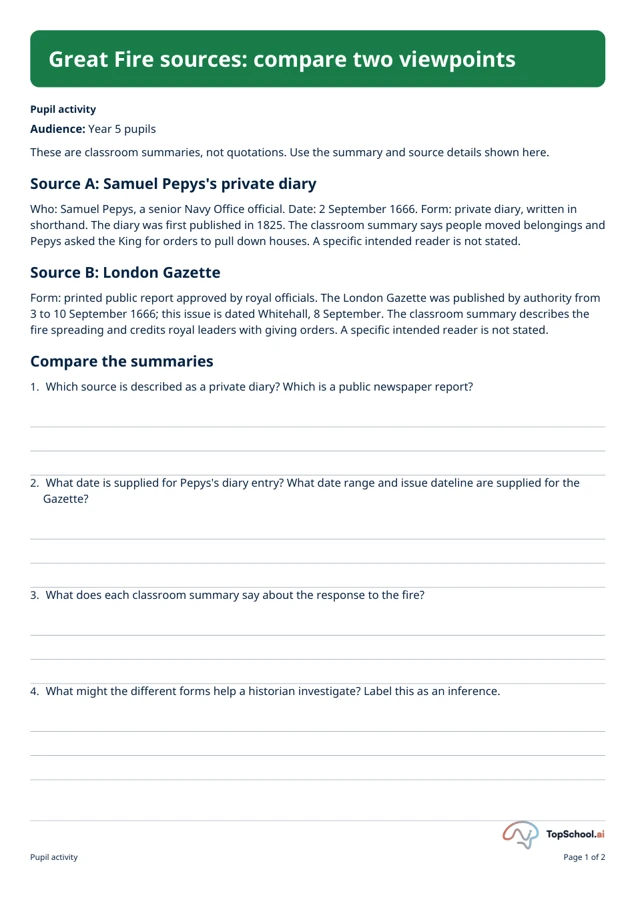
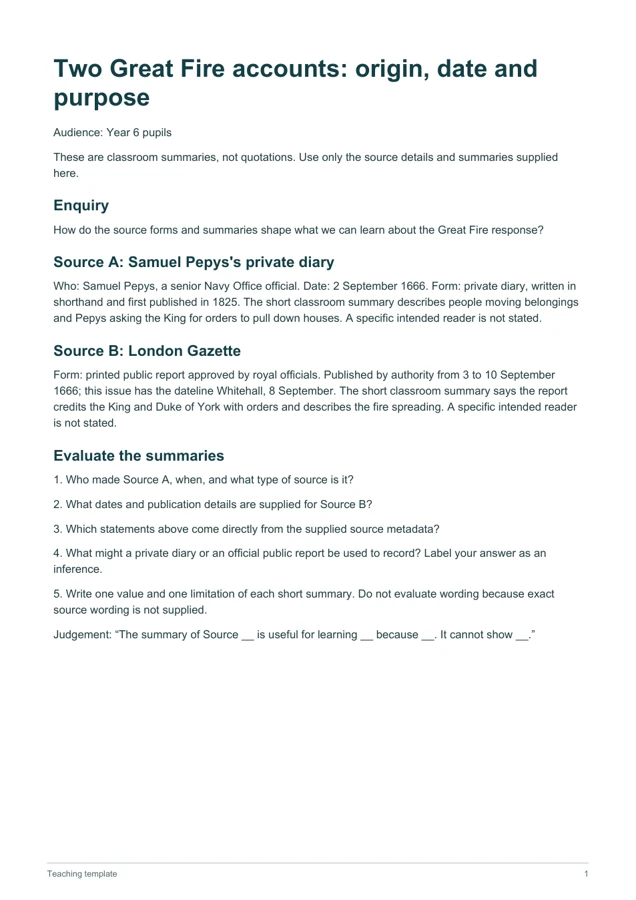
Use source labels, dates and short classroom summaries to compare what a private diary and an official newspaper report can show, while identifying what remains unknown.
History and social studies
Use source labels, dates and short classroom summaries to compare what a private diary and an official newspaper report can show, while identifying what remains unknown.
Languages and literacy
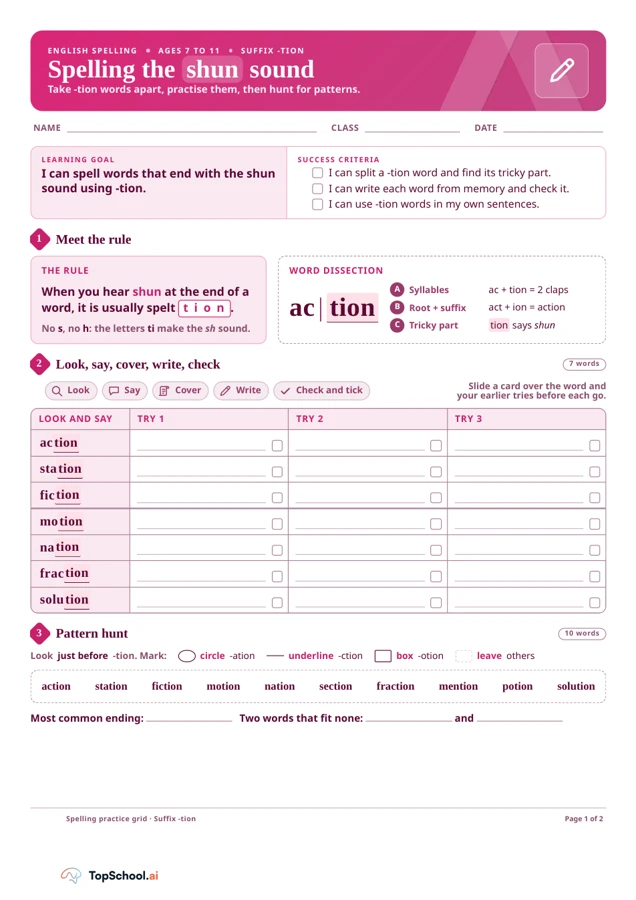
Recognise the -tion ending, break a word into parts, spell target words from memory and use them in a sentence.
Languages and literacy
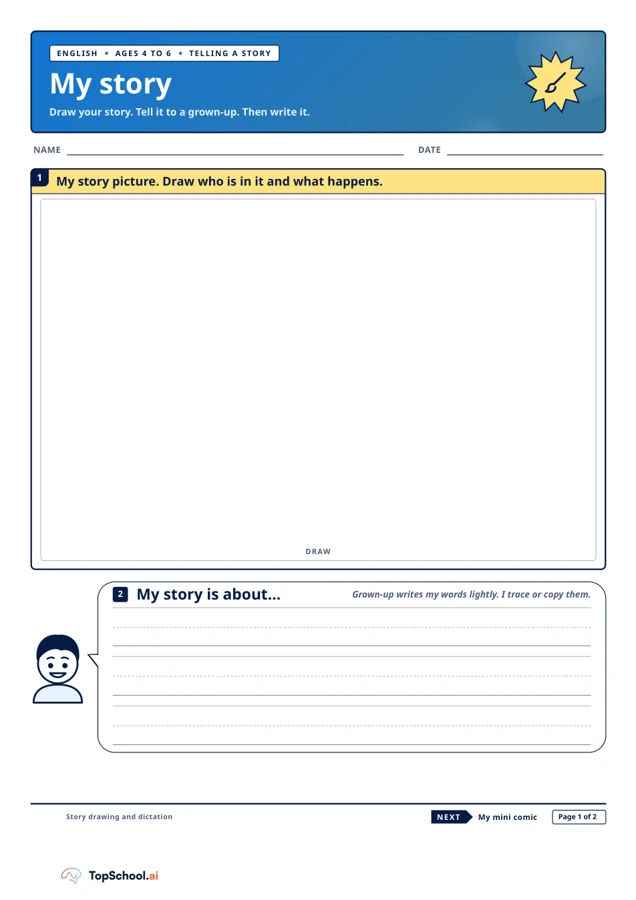
Tell a short story in a familiar context and represent the child’s words through drawing, dictation, tracing, copying or writing.
Languages and literacy
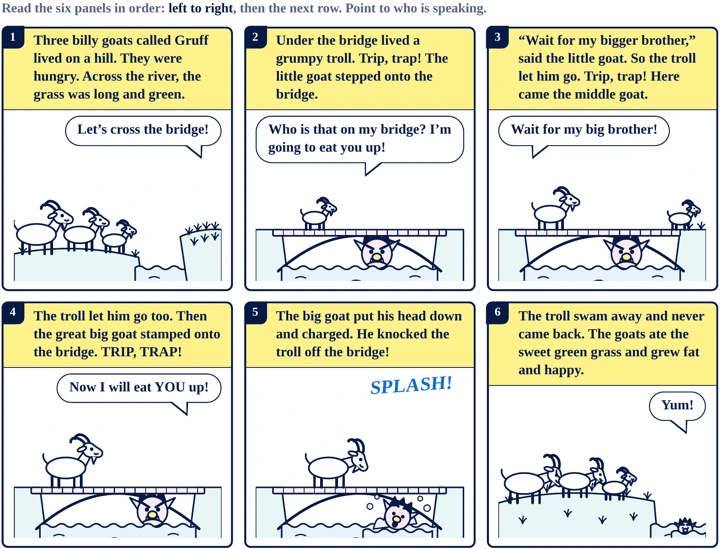
Identify characters and setting, sequence key events and retell a story in your own words using time-joining words.
Languages and literacy
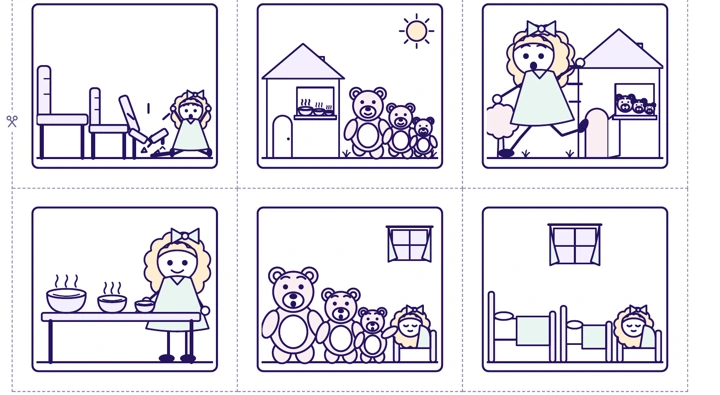
Put six story pictures in order and retell the sequence using first, then and last.
PE and health
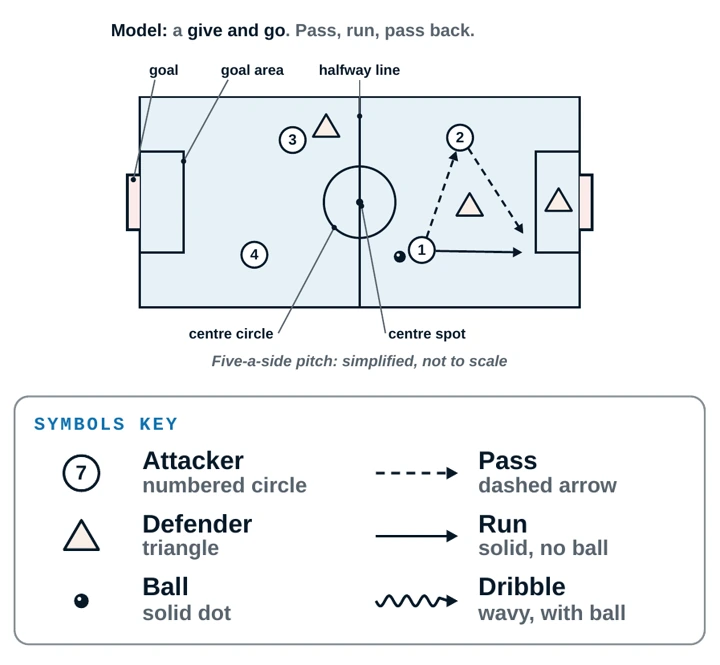
Interpret court markings, map player movement with the key and explain why a tactical choice may help the team.
Languages and literacy
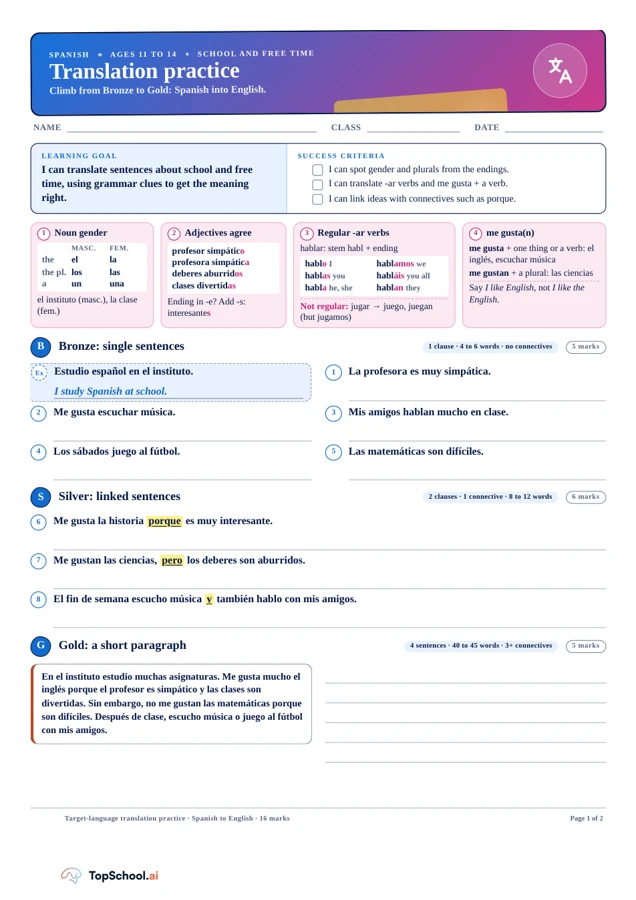
Use grammar and vocabulary clues to translate sentences about school and free time accurately, connect ideas and check spelling and accents.
Maths
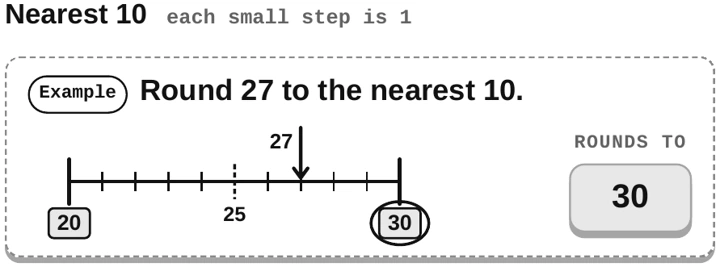
Round whole numbers to the nearest ten or hundred and explain which digit or position determines the result.
Design and technology
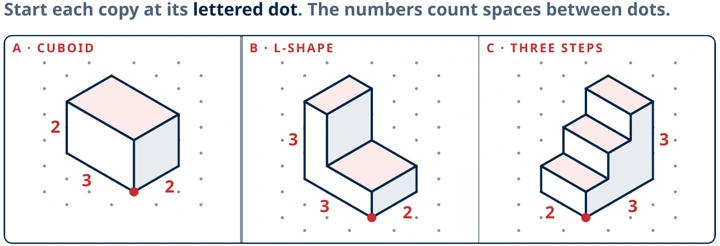
Use vertical and 30-degree isometric directions to draw solid forms, organise orthographic views in third-angle layout and explain what the views show.
Art and design
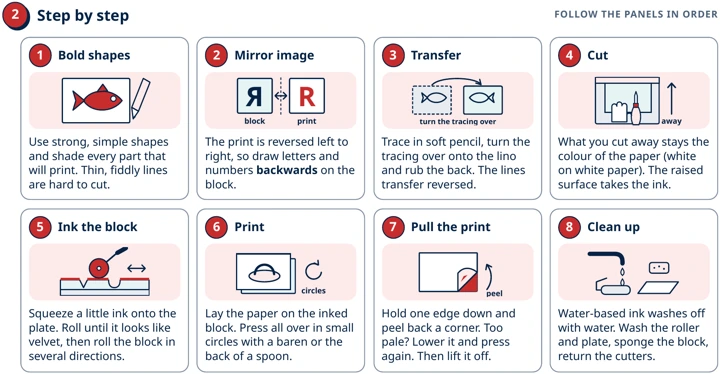
Plan and test a relief-print design using safe working practices, use mirror-image lettering, prepare an even ink layer and reflect on the result.
Languages and literacy
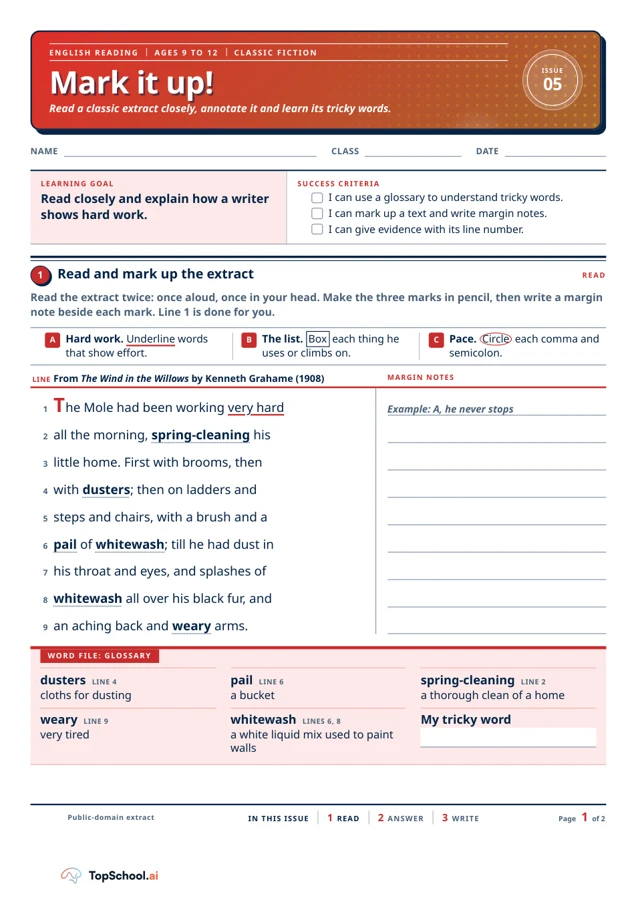
Use a glossary and purposeful annotation to explain how a writer conveys effort, then support comprehension answers with accurately copied evidence and line references.
Maths
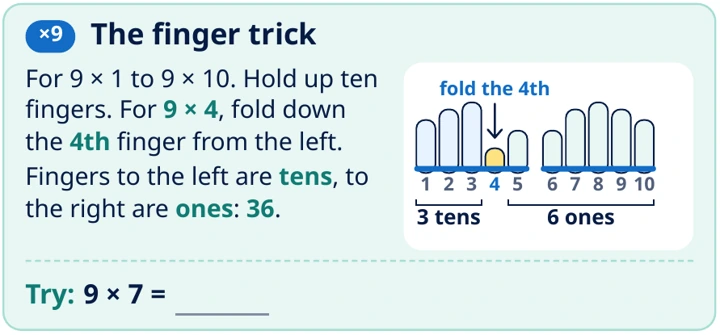
Practise multiplication facts, use a known fact to derive another and reflect on personal practice using a score, time or strategy that feels useful.
Geography
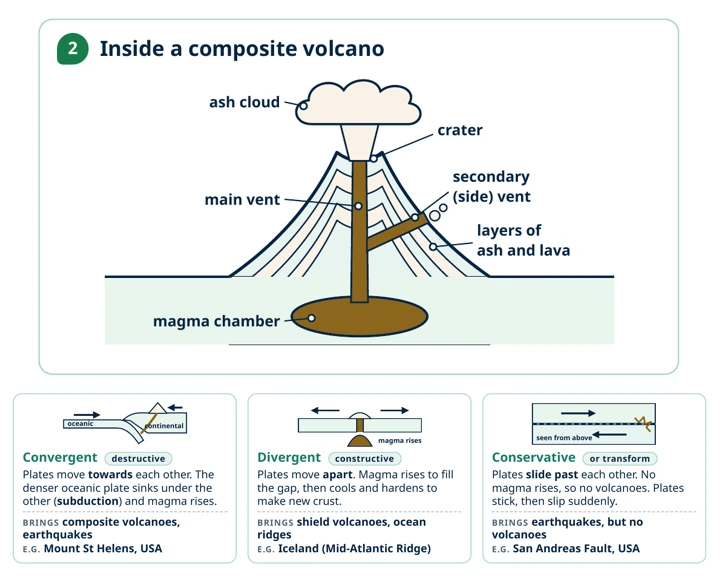
Recall and explain vocabulary, Earth structure, plate-boundary processes and differences between composite and shield volcanoes using the organiser as a study aid.
Maths
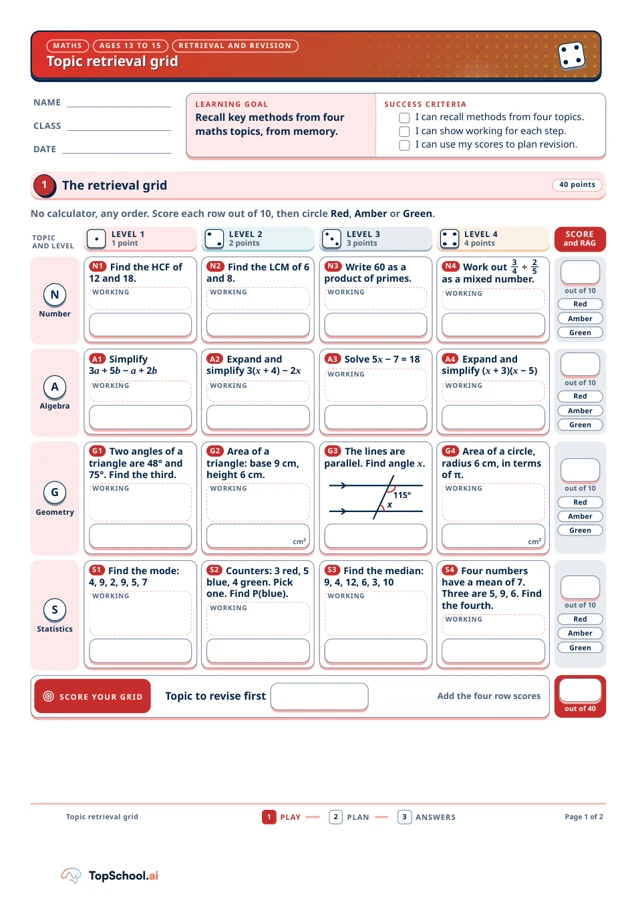
Recall and show working for selected methods across four mathematics topics, then use errors and confidence ratings to choose a next revision step.
Maths
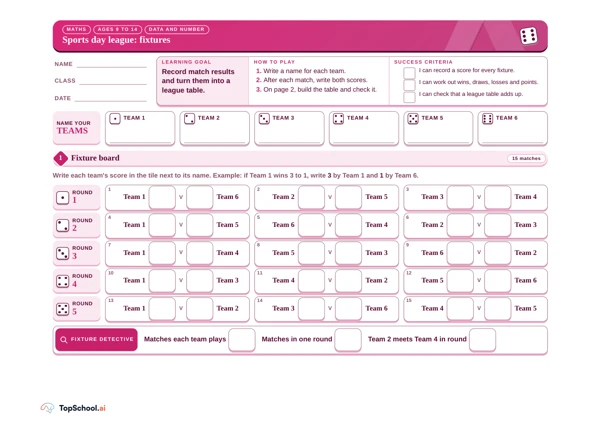
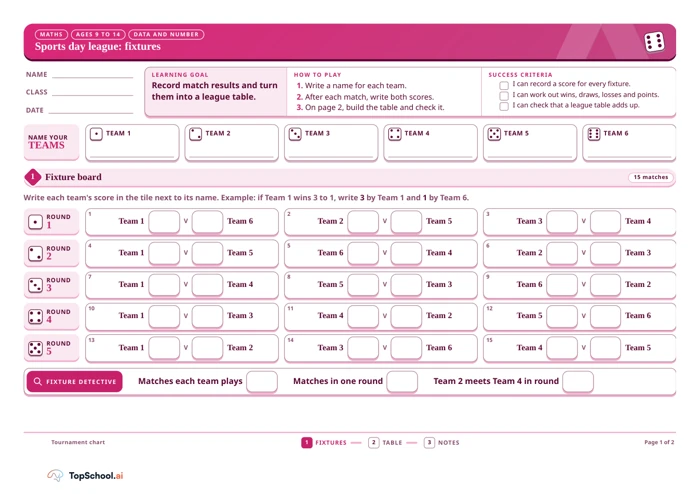
Record each round-robin result consistently, calculate a league table and explain why its totals must agree.
Maths
Organise a six-team round robin, record match outcomes consistently and use the stated points system and goal difference to describe standings.
Languages and literacy
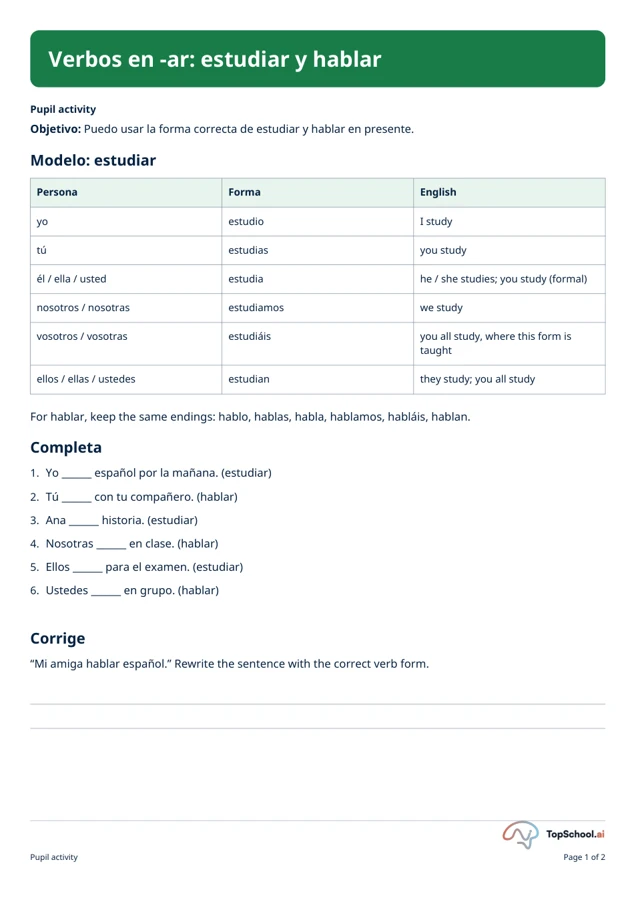
Conjugate estudiar and hablar in the present tense and use the matching ending in a short sentence.
Languages and literacy
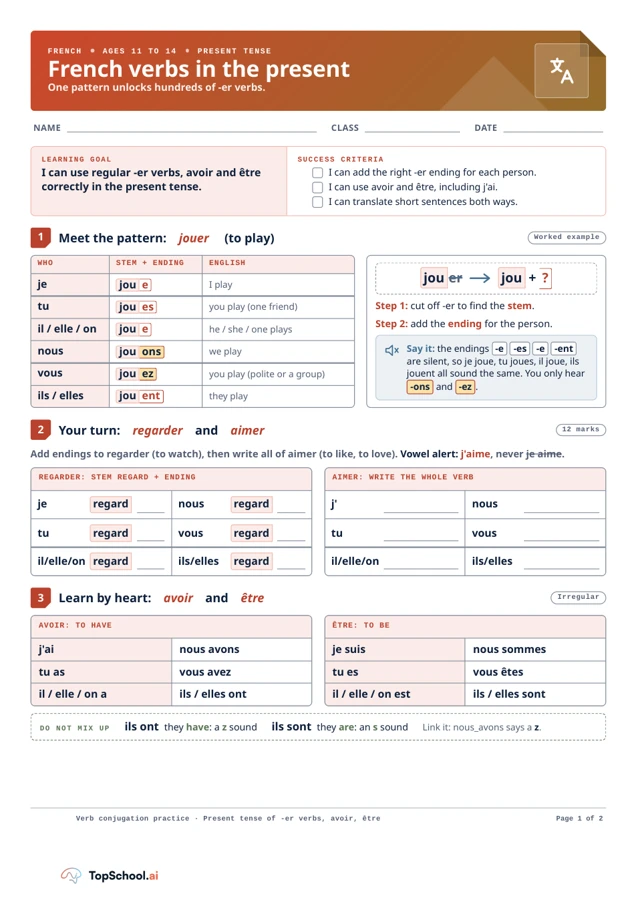
Choose and write the correct present-tense form of a regular -er verb, avoir or être, then translate short sentences using the intended subject and meaning.
Languages and literacy
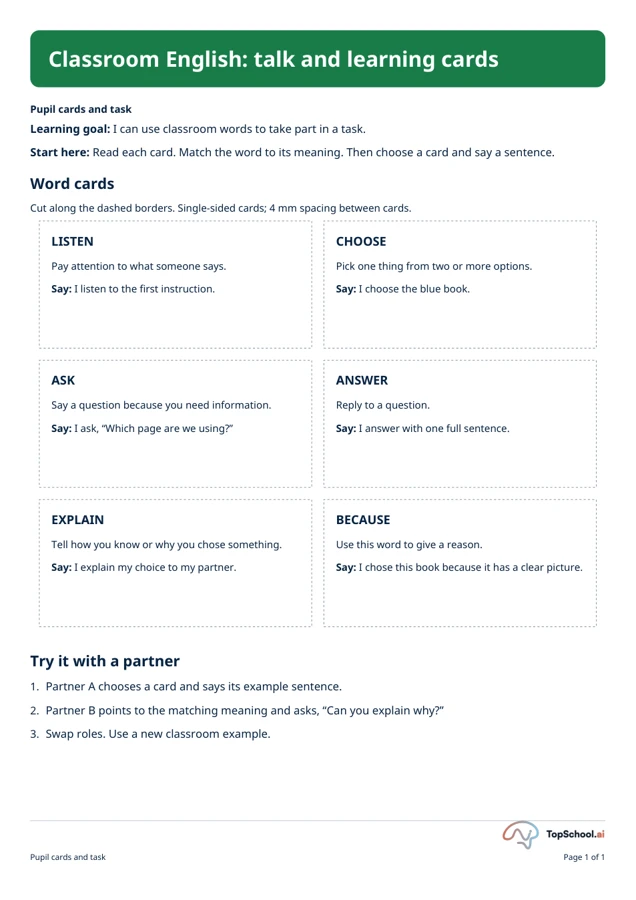
Recognise six classroom participation words and use one in a short spoken sentence.
Languages and literacy
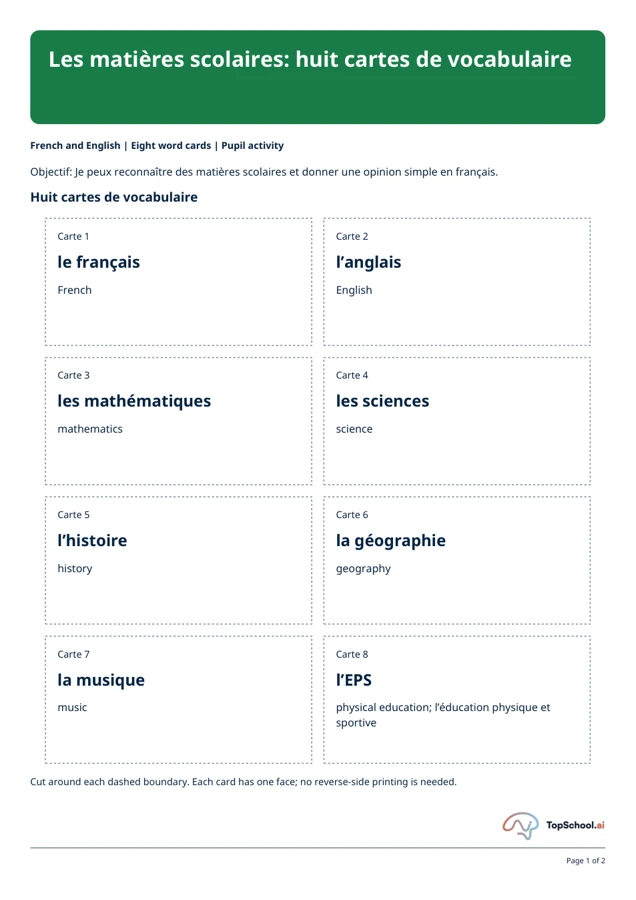
Recognise eight French school-subject words with their articles and use one in a French opinion sentence.
Languages and literacy
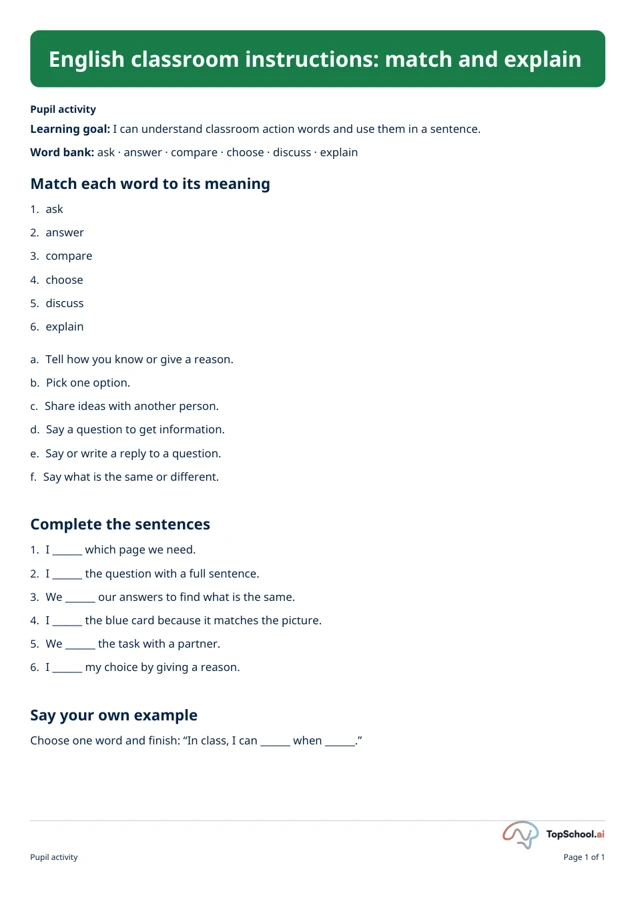
Match six English classroom action words to their meanings and use at least three in a complete sentence.
Languages and literacy
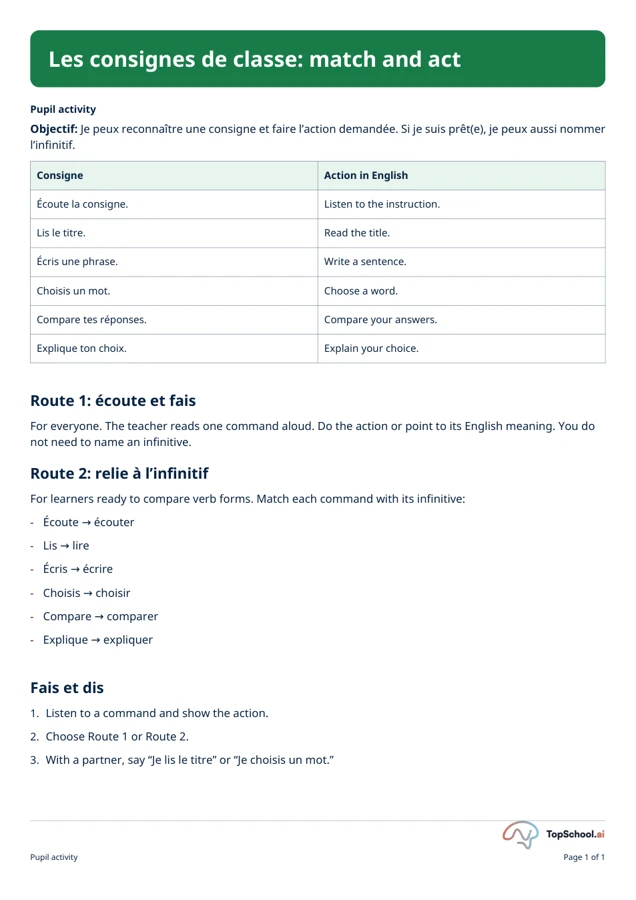
Recognise six French classroom commands and respond with the matching action; learners ready for grammar can also connect each command to its infinitive.
Languages and literacy
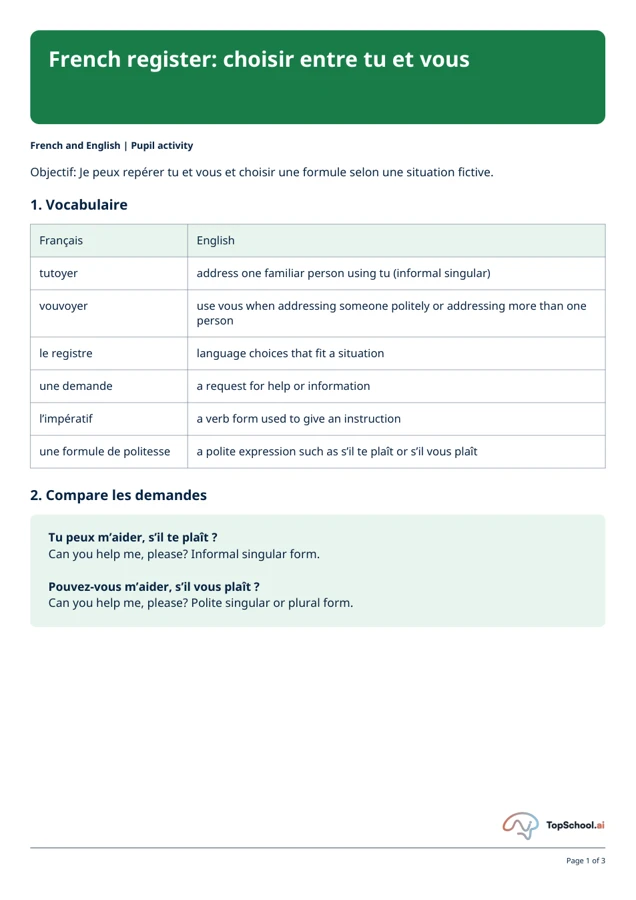
Identify tu and vous verb forms and choose a taught request form for a fictional situation, distinguishing polite singular vous from plural vous where relevant.
Science
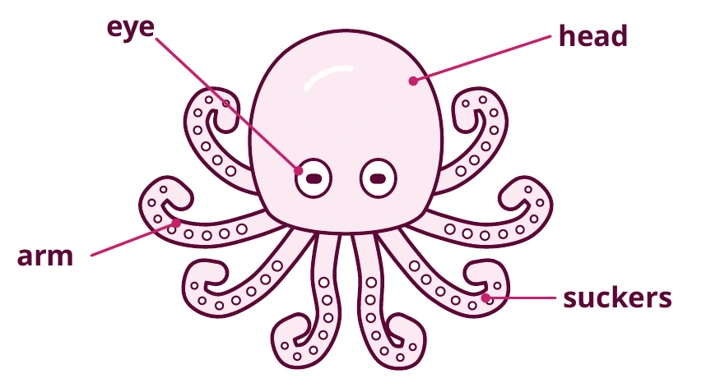
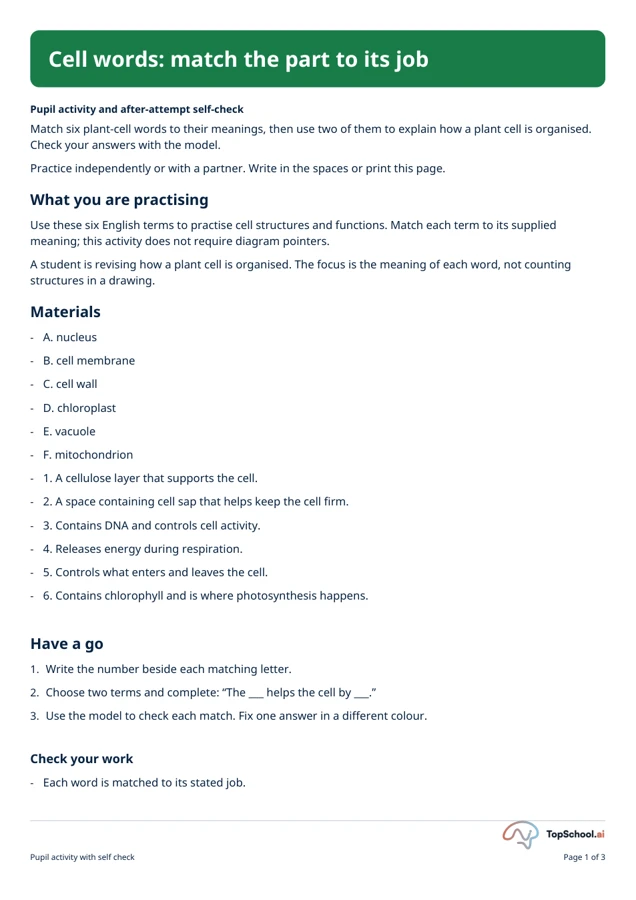
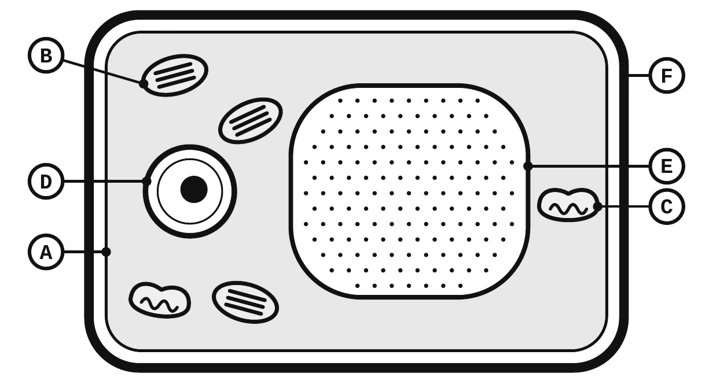
Connect each plant-cell term to its job and use accurate vocabulary in a short explanation.
Science
Recall selected cell structures and scientific vocabulary by matching each term to a definition or diagram pointer, then applying terms in a sentence.
Maths
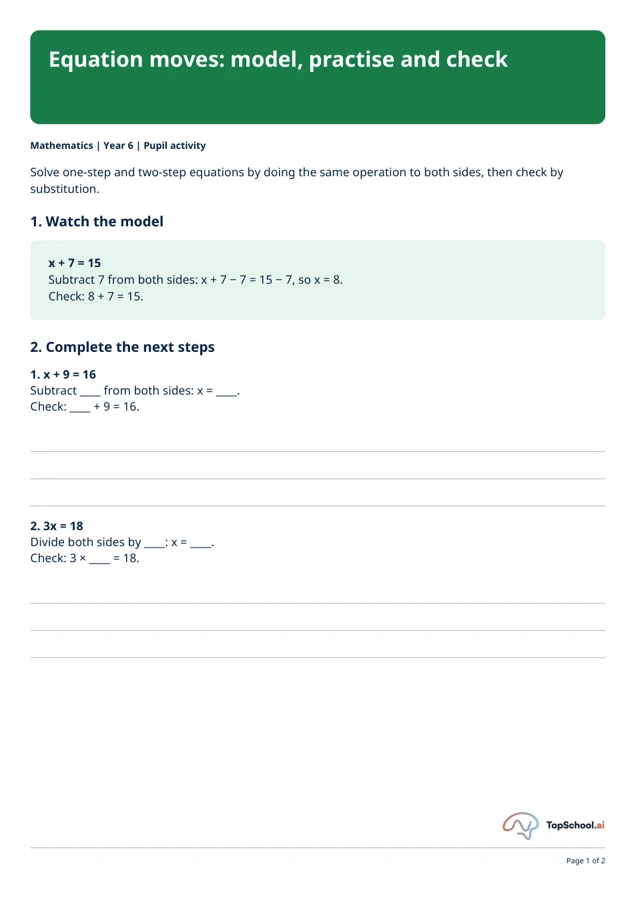
Solve Year 6 one-step and two-step equations by applying inverse operations to both sides, then verify answers by substitution.
Maths
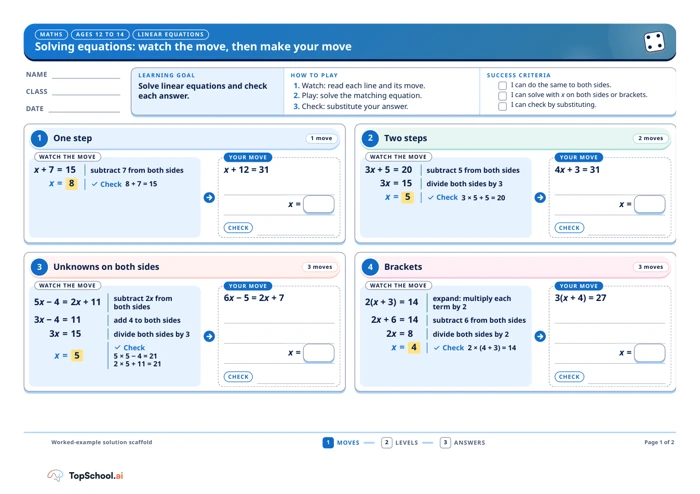
Solve one-step and multi-step linear equations, explain operations applied to both sides and check a solution by substitution with clear working.
Languages and literacy
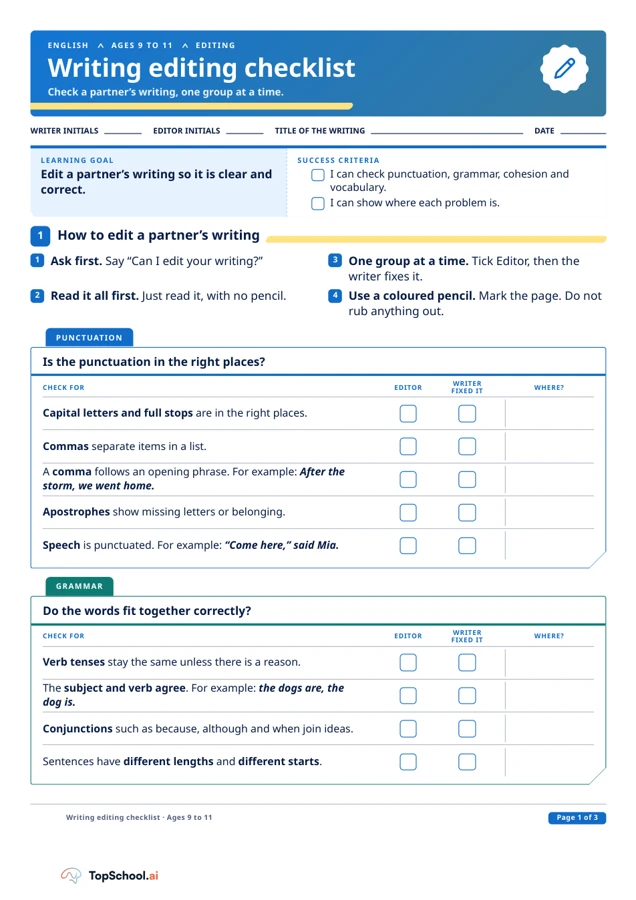
Use a staged checklist and agreed editing marks to identify possible changes in punctuation, grammar, cohesion and vocabulary, then give feedback about the writing rather than the writer.
Languages and literacy
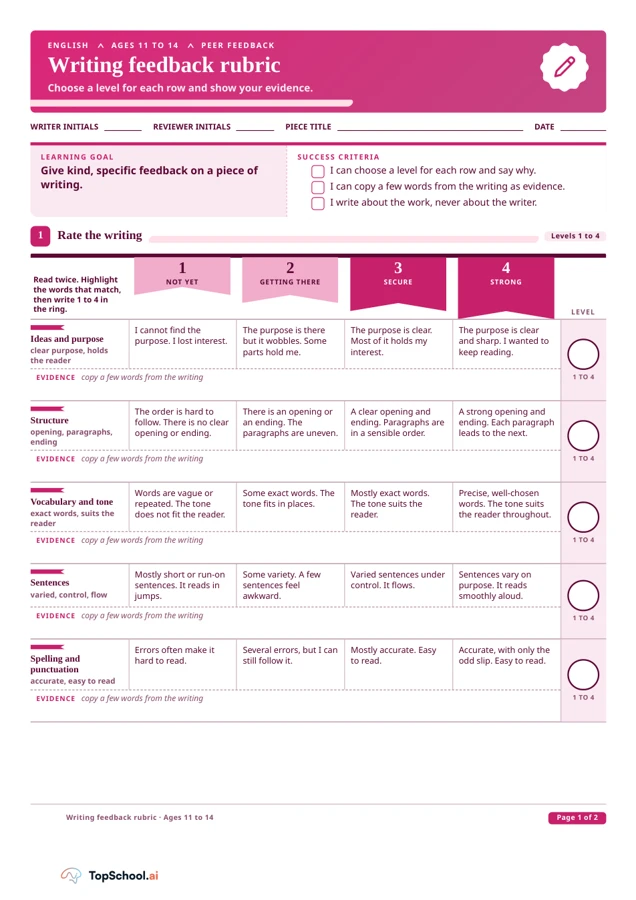
Use criteria to describe strengths and a next step in a piece of writing, choose a level for each row and support the judgement with evidence from the text.
6 templates shown
Add the context that matters, keep the learning goal clear and check the new draft before sharing it.
Fractions three ways: show, compare and share
Copy your brief into PLAI™, then review the draft for your class.
Start with one learning goal and shape the support around your class.
Start with PLAI™