Find another way in
Suggest a different opening question that connects this learning goal to something learners already know.
For your next IB teaching task
Give your next inquiry a clear purpose. Ask for the teaching task you need. PLAI™ uses its available IB context to shape the response.
A discussion worth opening
What does the source say?
What does it leave unclear?
Suggested inquiry sequence, not PLAI™ output.
Start with your programme
Explore what PLAI™ knows about your programme, then ask a straightforward teaching question.
Choose a programme to update this introductory prompt. The inquiry activity below is shared across programmes; adapt it to your class.
Explore PYP inquiry starters →Primary Years Programme
Add your unit of inquiry, year group and learning goal. Ask PLAI™ to identify what it can support and where you should supply more context.
How can you support my PYP teaching?
From inquiry to activity
A purposeful discussion
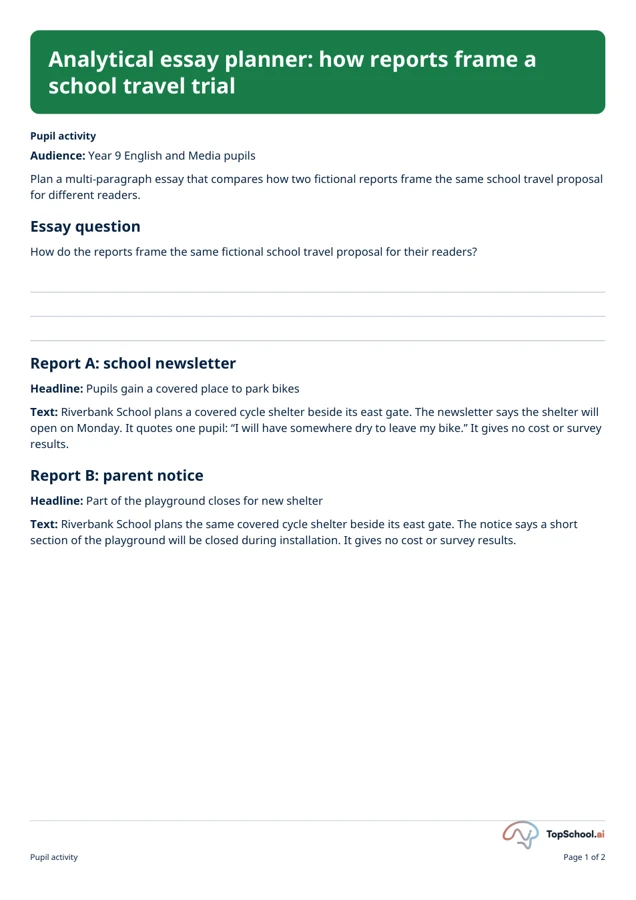
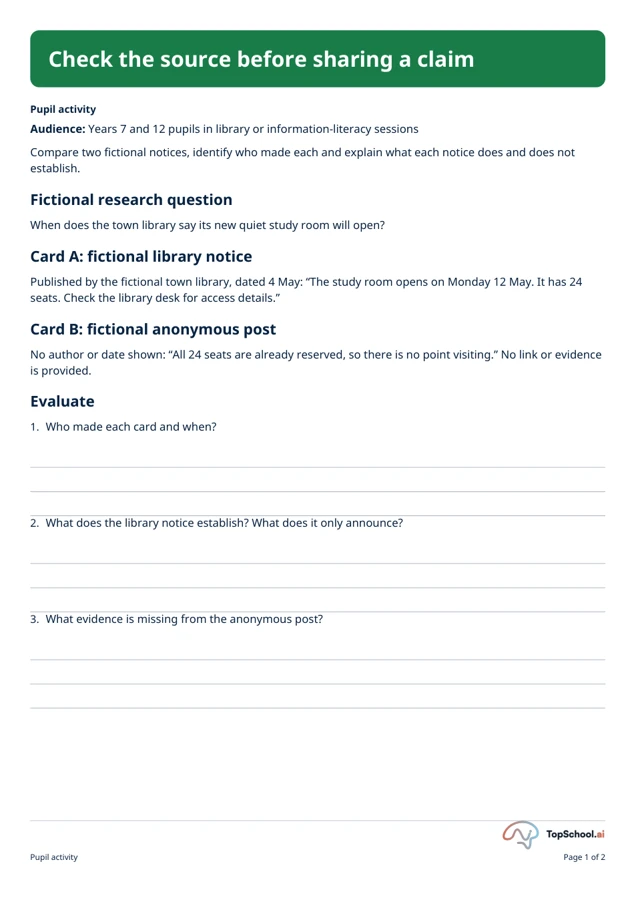
Bring two accounts you are permitted to share. Invite learners to compare the claims and recognise what remains uncertain.
Help me plan a discussion comparing these two accounts.
Copy first, then sign up and paste into PLAI™. Opens in a new tab; the prompt is not transferred automatically.
Discussion planner
Teaching guide, not a programme assessment rubric.
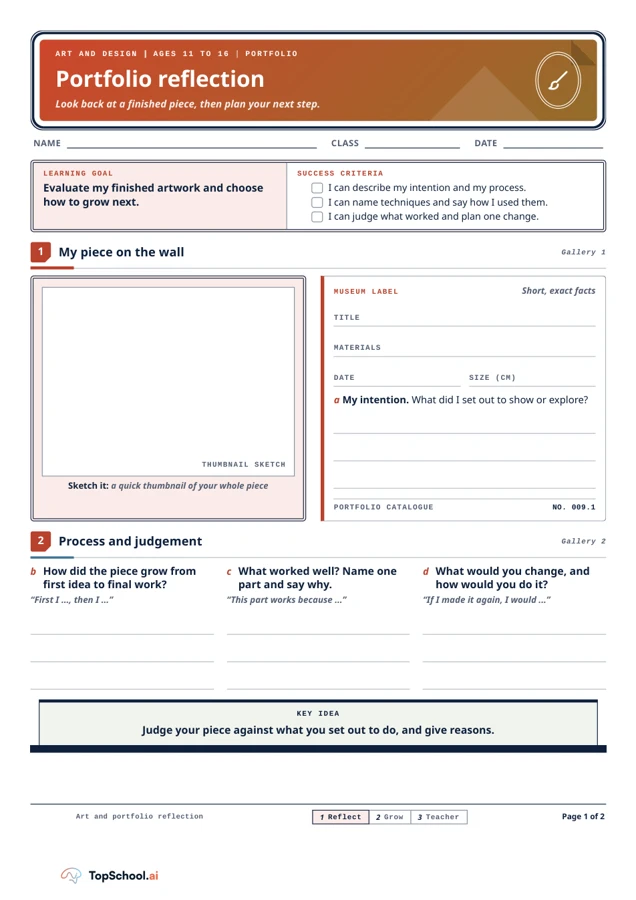
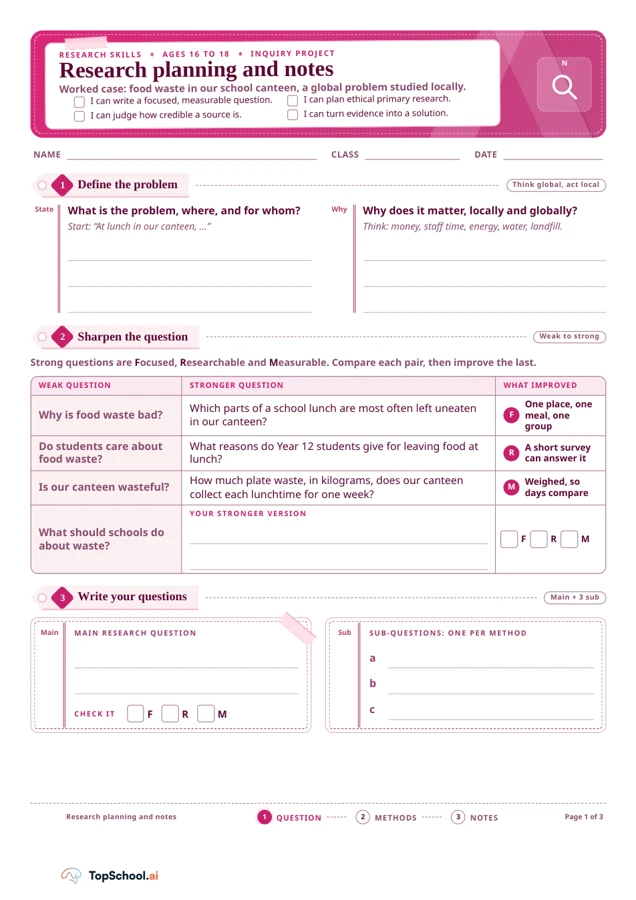
A worksheet with thinking space
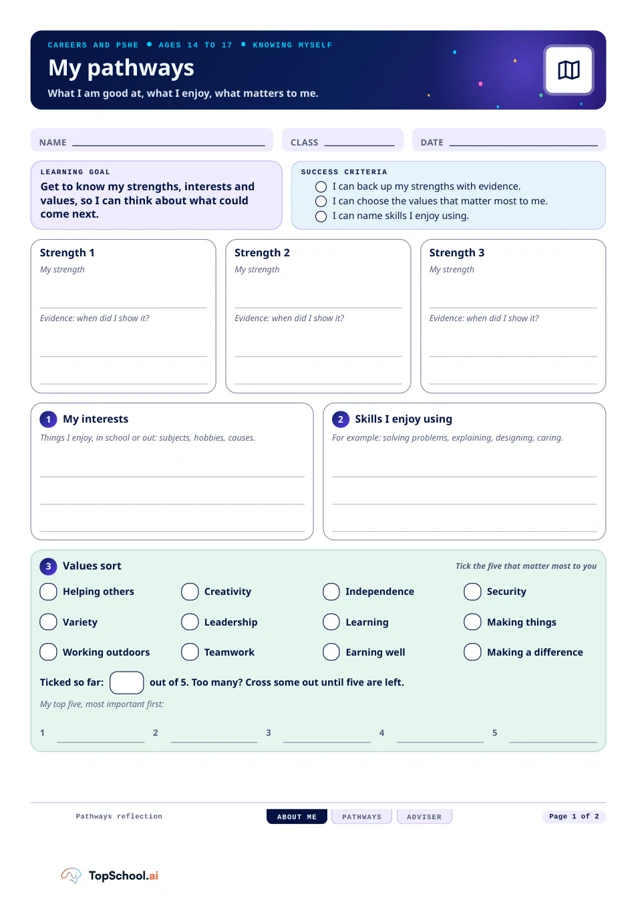
Give learners room to identify claims, supporting details and unanswered questions. Add vocabulary support without supplying their conclusion.
Create a source-comparison worksheet using these two accounts.
Copy first, then sign up and paste into PLAI™. Opens in a new tab; the prompt is not transferred automatically.
Suggested worksheet layout
| Look for | Source A | Source B |
|---|---|---|
| Claim | What is said? | What is said? |
| Evidence | What supports it? | What supports it? |
| Uncertainty | What is missing? | What is missing? |
Editorial layout. No fabricated source material or product output.
Start with a topic, year group and learning goal. Ask for questions, support and an answer key. Check accuracy and curriculum fit before classroom use.
Generation time shortened.
Make comparison visible
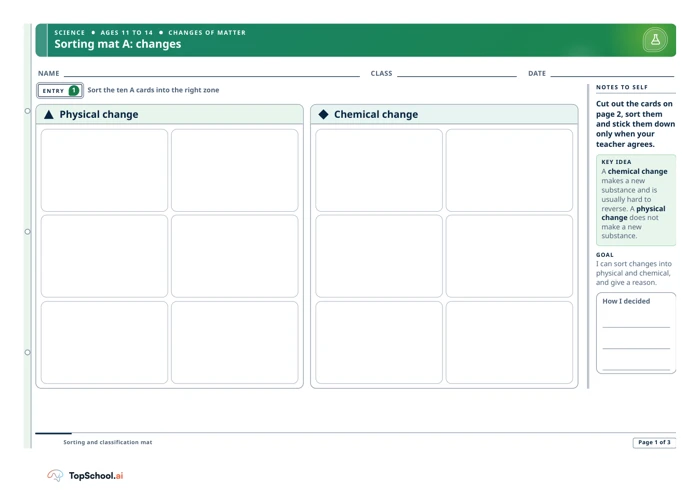
A simple two-column organiser helps learners keep observation and interpretation distinct.
Create a visual organiser for comparing these two sources.
Copy first, then sign up and paste into PLAI™. Opens in a new tab; the prompt is not transferred automatically.
Keep the distinction clear
A quotation or detail from an account you provide.
What the learner thinks it means, and why.
Teaching organiser, not generated imagery.
Keep the conversation going
Tell PLAI™ what you want to change. Try one of these follow-ups with your draft, then check the result for your class.
Suggest a different opening question that connects this learning goal to something learners already know.
Add an optional vocabulary box and a sentence starter. Keep the main reasoning task and final independent question.
Add a follow-up question that asks learners to explain their reasoning in a new situation.
Check the content, answers and fit with your learning goal before classroom use.
A simple request. A response shaped by context. Your judgement stays at the centre.
Start with PLAI™ ↗