Maths
Bar-model problem solver
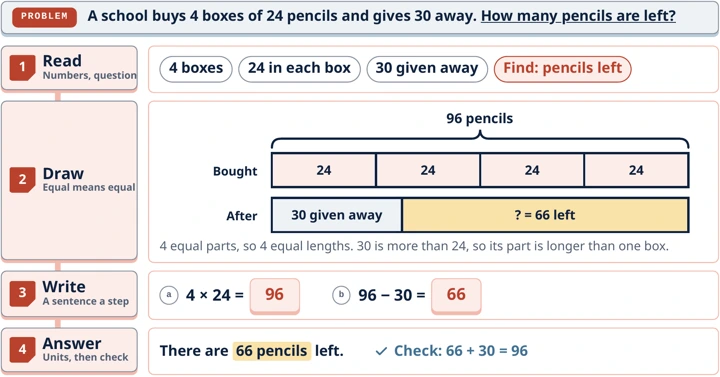
Represent relationships in word problems with bar models, write linked number sentences and check a solution with units.
IB Primary Years Programme
Start with what your learners notice. Explore a provocation, gather their questions and shape a next step that leaves room for choice, connection and reflection.
Start with an idea, then check the age range, learning goal and subject content against the curriculum or programme your class follows.
Choose a task, inspect the source and decide what pupils should explain for themselves.
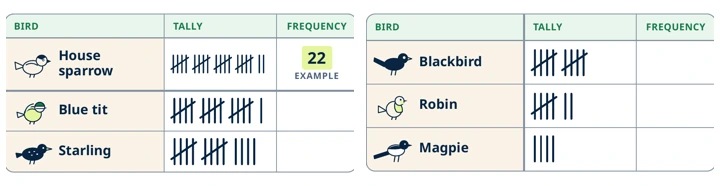
Count the fictional bird tallies, draw a bar chart with one square for two birds and explain a pattern.
Answer a question from the chart, then plan a safe real observation with adult guidance.
Try the teaching idea, then explore the full activity.
Explore tasks relevant to this teaching context. Check the learning goal and the programme version your class follows.
Maths
Represent relationships in word problems with bar models, write linked number sentences and check a solution with units.
Languages and literacy
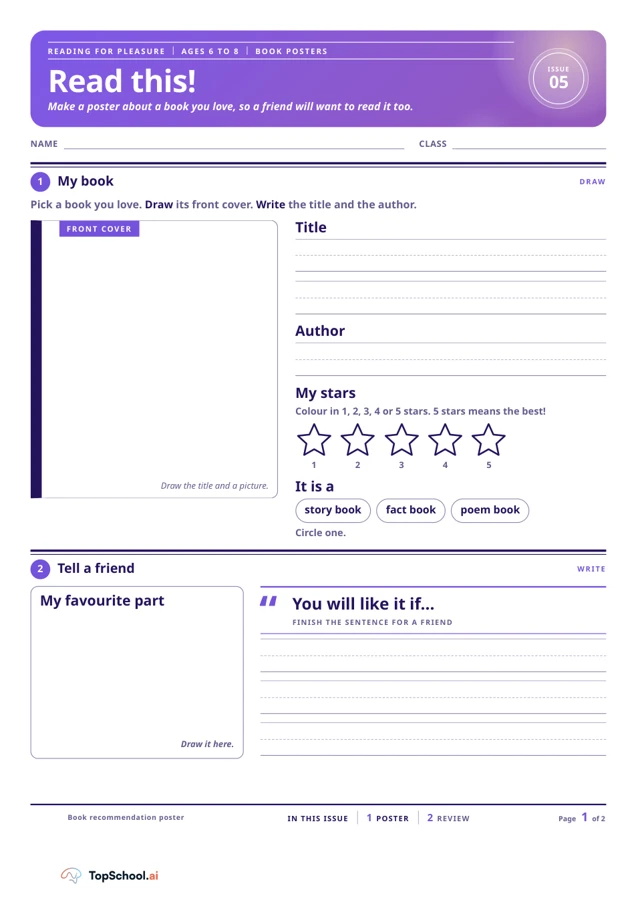
Create a book recommendation that gives identifying details, a personal response and a reason a friend might enjoy the book.
Languages and literacy
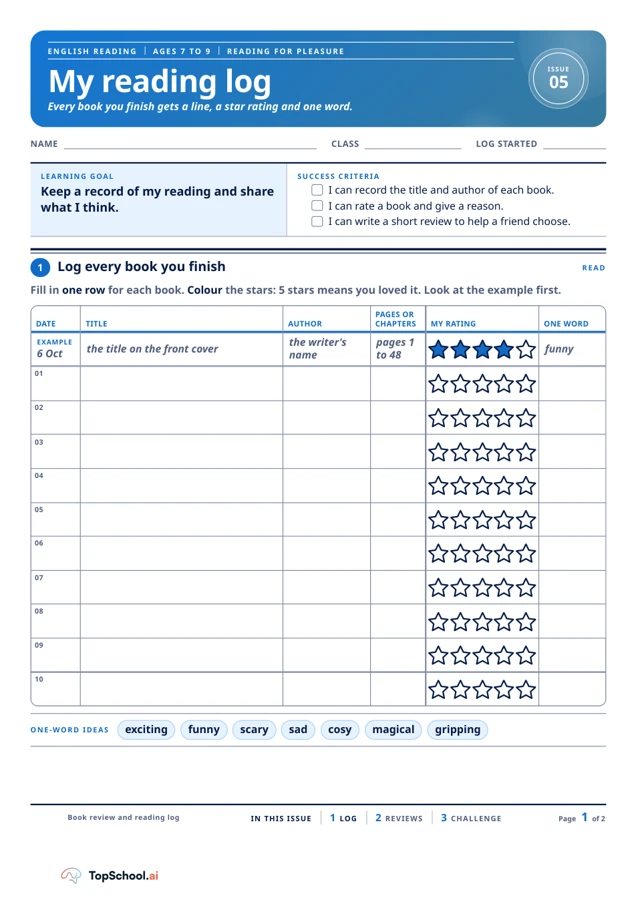
Record reading, support an opinion with a reason and recommend books to an audience.
Maths
Pupils should convert all six tallies to frequencies, draw bars at two birds per square and answer comparison questions using the chart. They should also specify where, when and for how long a proposed survey would run.
Languages and literacy
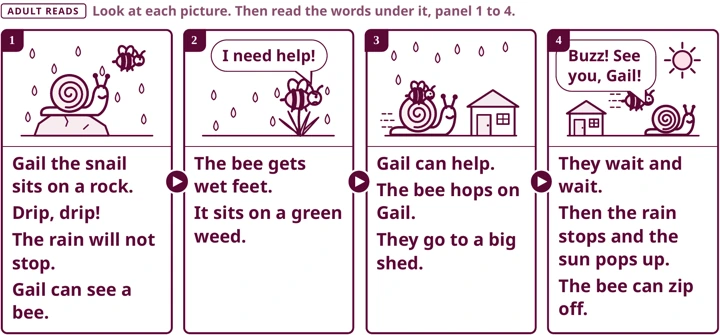
Read words containing ai and ee, follow a short illustrated story and answer questions by referring back to the text.
Maths
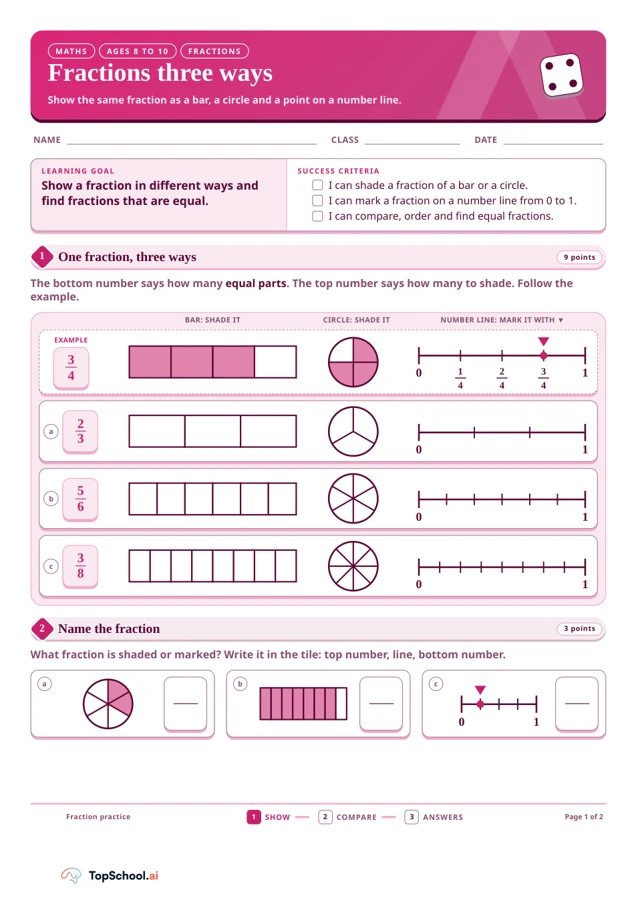
Represent fractions visually, recognise equivalent fractions, compare values and find a fraction of an amount.
Languages and literacy
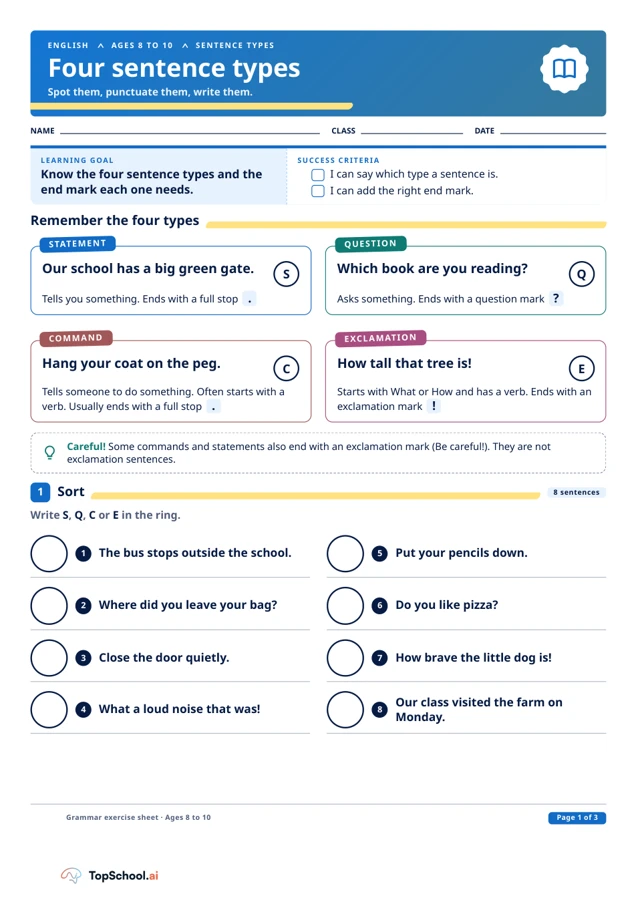
Identify four sentence types and use suitable end punctuation in a set of examples and original sentences.
Science
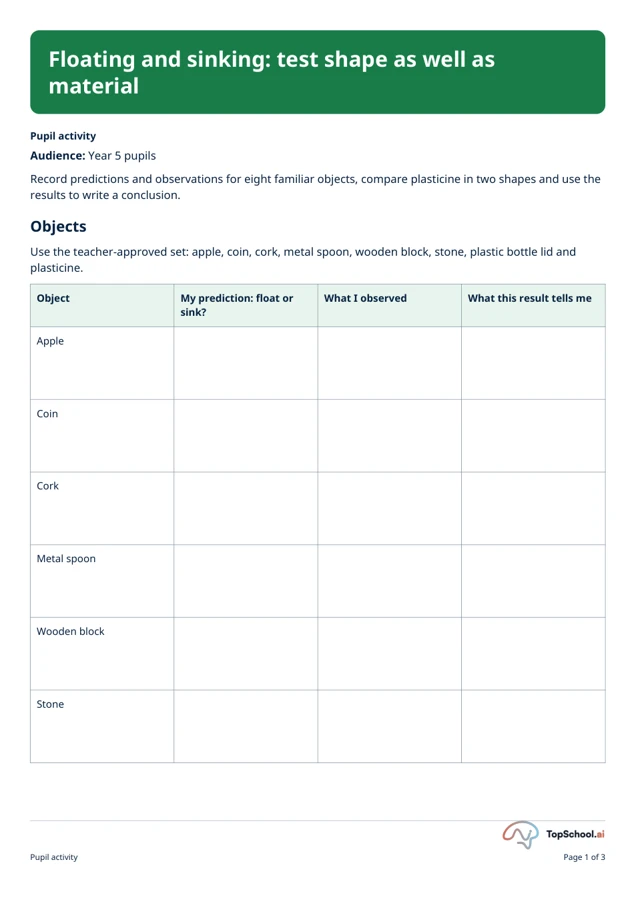
Record predictions and observations for eight familiar objects, compare plasticine in two shapes and use the results to write a conclusion.
Science
Use an inquiry chart to connect prior ideas, questions and information learned from a short text.
Languages and literacy
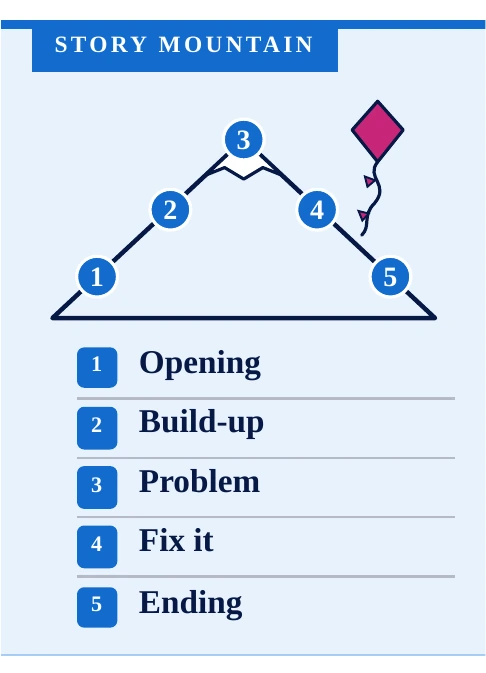
Plan and write a short narrative with an ordered beginning, build-up, problem, resolution and ending, using sentence punctuation and selected descriptive vocabulary.
Languages and literacy
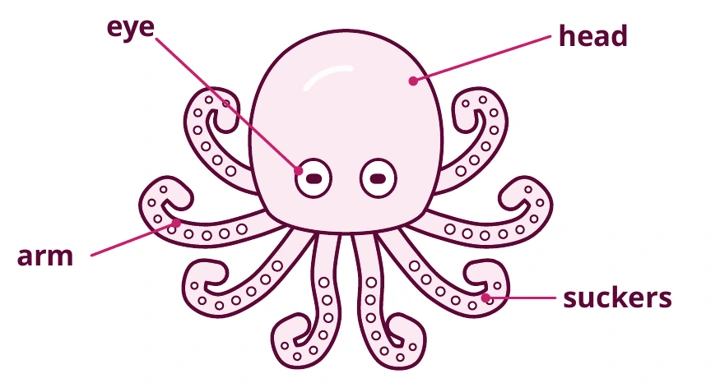
Identify common non-fiction text features, explain their purpose for a reader, and retrieve stated facts efficiently by skimming and scanning.
Maths
Represent three-digit numbers in hundreds, tens and ones, partition them and calculate addition or subtraction in columns, exchanging when required.
Science
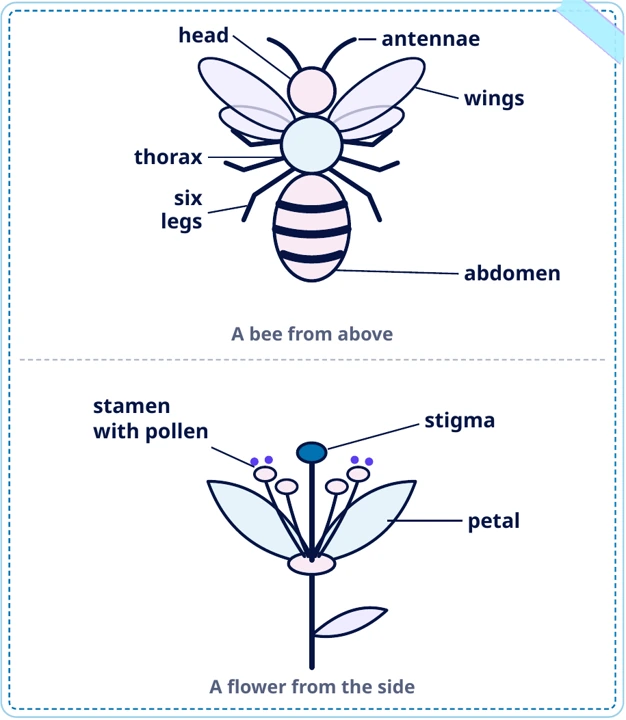
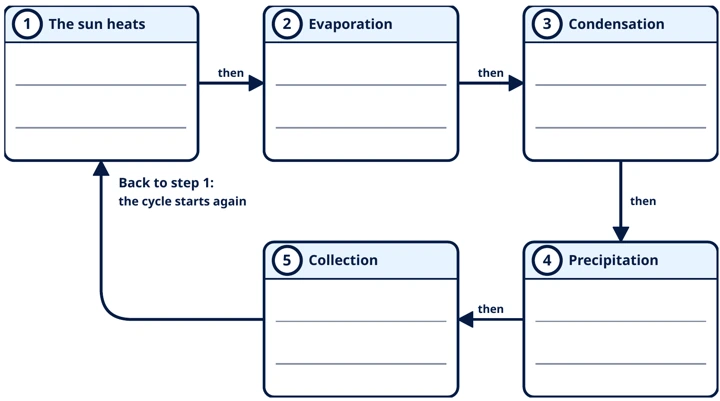
Represent a process in order, explain each step in their own words and show where a cycle returns or repeats.
Maths
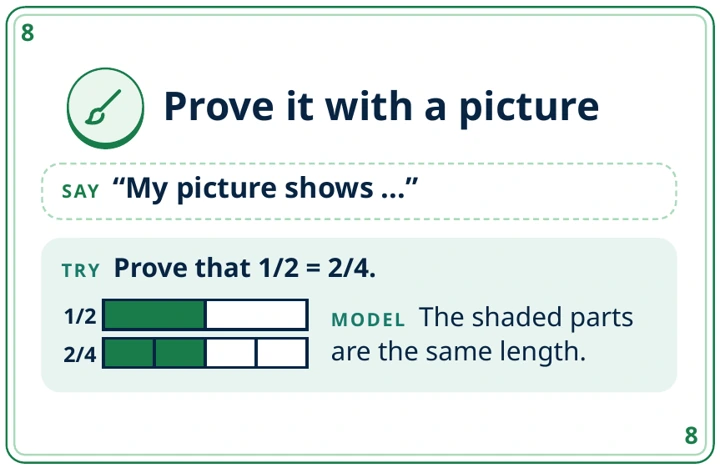
Explain a mathematical claim using an example, representation or calculation, then listen to a partner’s reasoning, compare approaches and explain why.
Languages and literacy
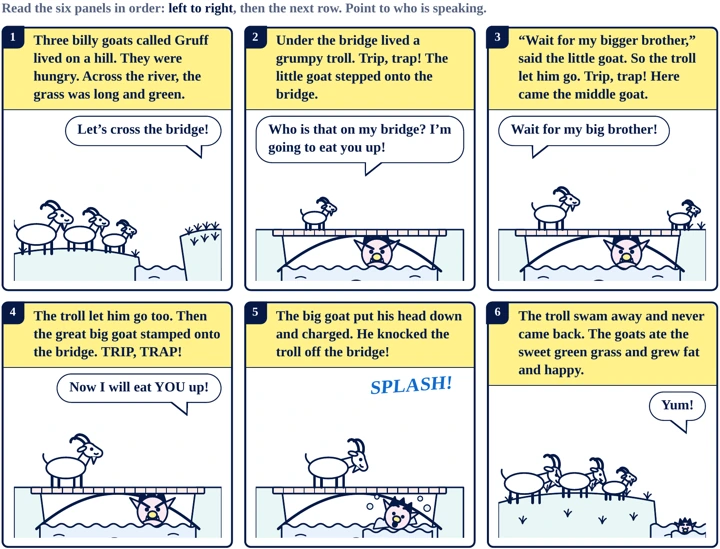
Identify characters and setting, sequence key events and retell a story in your own words using time-joining words.
Maths
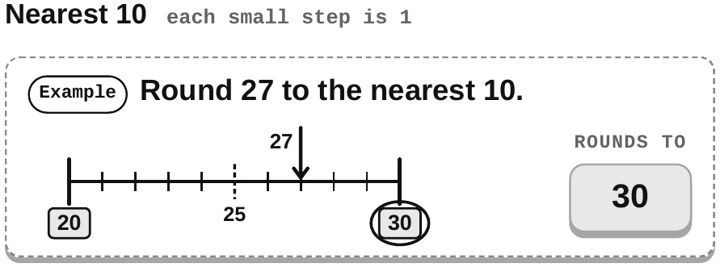
Round whole numbers to the nearest ten or hundred and explain which digit or position determines the result.
Languages and literacy
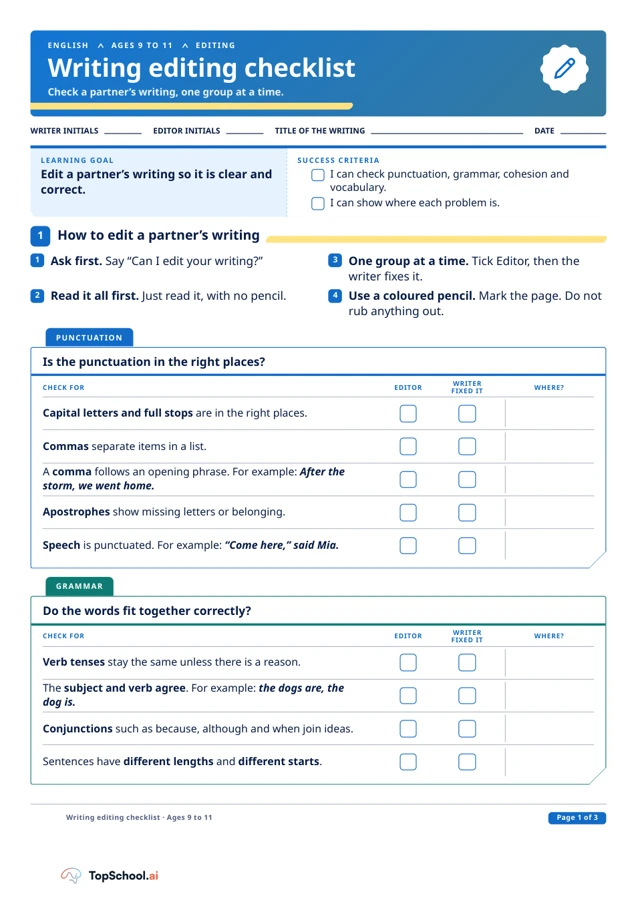
Use a staged checklist and agreed editing marks to identify possible changes in punctuation, grammar, cohesion and vocabulary, then give feedback about the writing rather than the writer.
6 templates shown
Add the context that matters, keep the learning goal clear and check the new draft before sharing it.
Birds at our bird feeder: collect and graph data
Copy your brief into PLAI™, then review the draft for your class.
Start with one learning goal and shape the support around your class.
Start with PLAI™