Planning a cover lesson with AI: what the next teacher needs
See how to turn a Library worksheet into a cover lesson with clear timings, answers and a stopping point.
On this page5 sections
When you leave cover work, the next adult needs to know what to put in front of pupils and what to do once they start answering. A folder with a worksheet and the instruction “revise fractions” leaves them to choose an example, work out which answers to accept and decide whether to press on when the class gets stuck. Those are decisions you can make while you still have the lesson in mind.
Leave a short run sheet with the materials beside it. Give the adult a starting example, timings they can adapt, an answer key, and a clear instruction about when to stop and what to return. AI can help put those pieces into a first draft. Read it from the cover adult’s seat before you hand it over.
Start with what the class already knows
Choose a piece of learning that pupils have already met. This illustrative Year 5 class in England is revisiting common equivalent fractions, a skill pupils meet earlier in the primary mathematics programme. They know how to split a whole into equal parts and can recognise halves, quarters and eighths. The aim is to explain why the shaded length stays the same when you split each part into smaller equal parts.
The Library worksheet covers several fractions skills. For this lesson, write “page 2, Task 4 only” beside the learning goal. That tells the cover adult to stay with the fraction wall and the missing numerators. They can leave the ordering questions and fractions of amounts for another lesson.
Give AI the whole handover to prepare
If you use a school-approved tool, describe the subject, the material pupils have already learnt and the time available. Name the resources you can leave. Here, the pupil worksheet and its separate teacher notes go with pencils, a board and a few equal-length paper strips. Tell the tool which page and task you have selected. Ask for instructions the adult can follow and a shorter plan in case the period is cut. Specify what the adult should collect at the end.
Read the draft in the order the adult will use it. If the instructions say “show a fraction bar”, check that the bar is supplied or that the adult has enough detail to draw it. Try each question you have selected, then compare your reasoning with the teacher notes. If you change a number or a drawing, check the corresponding answer again. The Department for Education’s guidance on generative AI calls for professional judgement about accuracy and suitability.
Give the tool generic information about the learning task. Pass individual support arrangements and returned pupil work through the school’s agreed route. The TopSchool guide to sharing teaching resources covers checking the blank materials and who can open them.
Work through one example from the adult’s seat
Use page 2 of the Library worksheet shown below. The cover adult uses the first item in Task 4 to model how many quarters cover the same length as one half. The fraction wall is already on the page. If pupils need a larger version, draw two equal-length strips on the board. Shade one half on the first strip and two quarters on the second. Ask pupils where the shading stops on each strip.
The next item takes the same reasoning to eighths. In 4b, the pupil has to decide how many eighths reach the halfway point. Ask them to use the fraction wall on the same page and show where the shaded lengths line up.
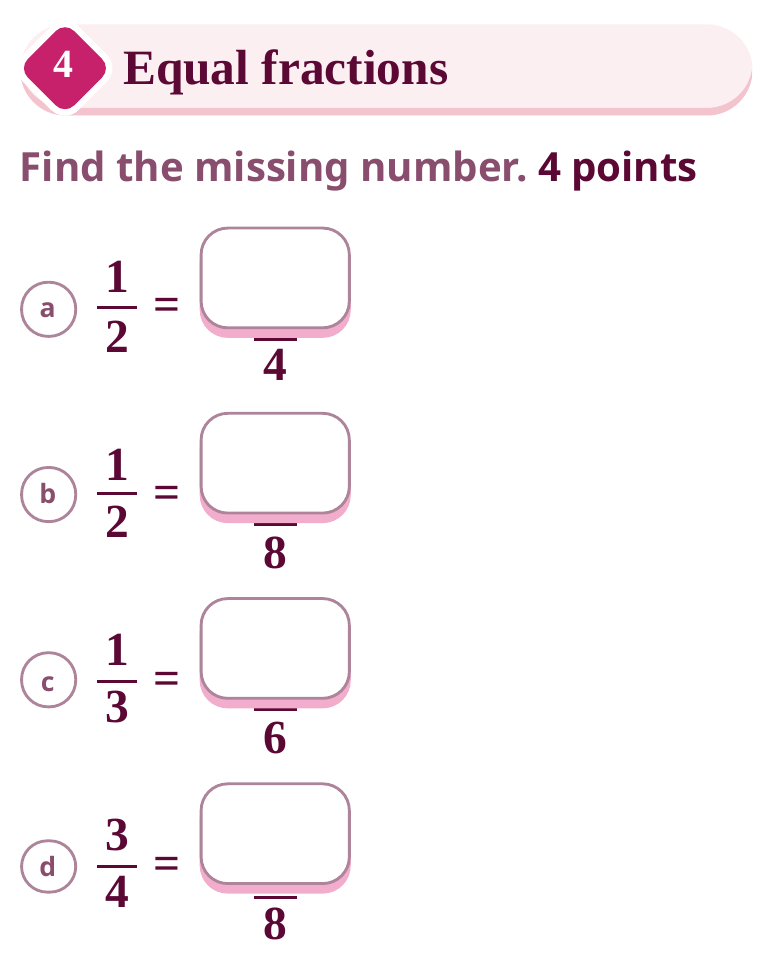
Task 4 from page 2 of Fractions three ways: show, compare and share.
A pupil may point to the midpoint on both rows, or explain why both counts are multiplied by four. If they give the missing number without a reason, the adult can ask them to point to the whole and the shaded part. The teacher notes give the expected numbers. The handover adds what the adult should listen for and which example to return to if a pupil is unsure.
The next question moves from thirds to sixths. Ask pupils to show where one third ends before they decide how many sixths reach the same point. If the class still needs the adult to count the parts with them, record that help on the return note. It changes what you can infer from the completed sheet.
Decide what to leave unfinished
The example allows 45 minutes. It starts with a short check on equal parts, makes time for the board model, then gives pupils Task 4b to d to try independently. In the last five minutes the adult collects the worksheet and asks one fresh question on a slip of paper. If the period drops to 30 minutes, the shorter plan keeps the model and Task 4b and c. The remaining questions can wait, leaving time to collect what pupils did.
Leave a stopping instruction for when the difficulty is with the maths as well as when it is with the clock. Here, if the class is still unsure about equal parts, the adult can stay with the starter and guided drawings, attempt Task 4b together if the class is ready, and report where they reached. The full handover lets the adult skip the exit slip when it asks for reasoning the class has yet to revisit.
Make the return note easy to write
Ask for the last task reached, which example needed another explanation and whether the exit responses were independent or supported. “We drew the bars together and stopped after Task 4b” tells you where to begin next time. A completed page on its own leaves you guessing how much help pupils needed.
Before you leave, open the files the cover adult will see and work through the first example and the last instruction. Check where the materials will be, where completed work should go and who can help if something is missing. Once those details are settled, the adult has the lesson in order and you have a way to pick it up again.