
Find another way in
Suggest a different opening question that connects this learning goal to something learners already know.
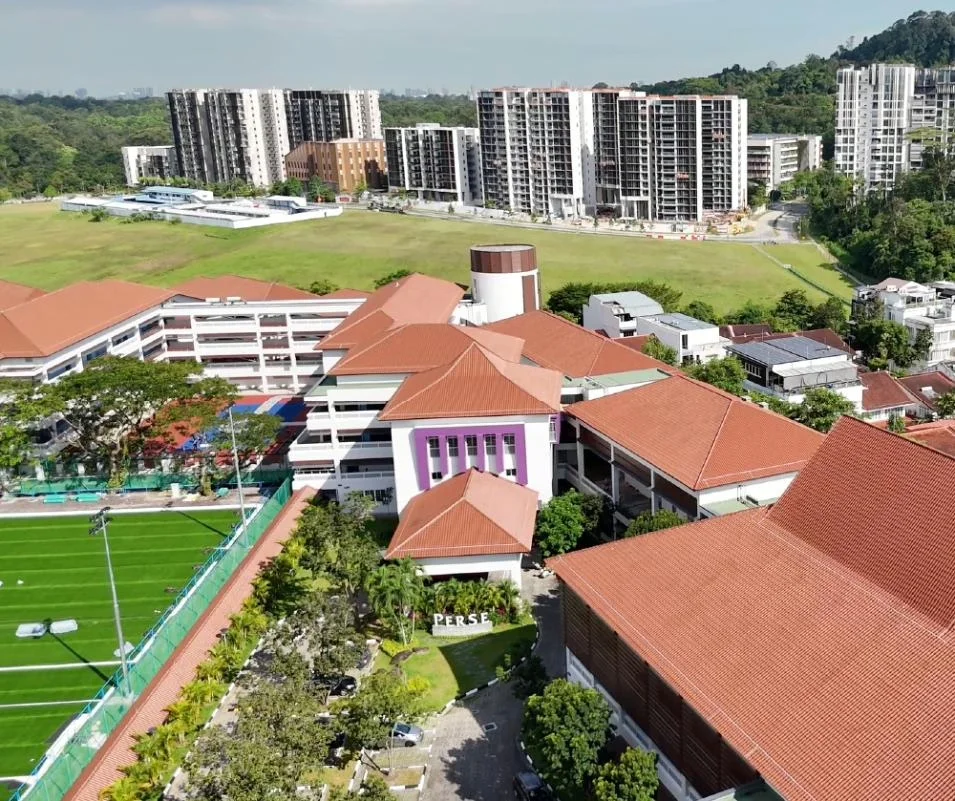
The Perse School (Singapore)Singapore, Singapore
Your next task: comparing small habitats in an outdoor area. Bring your class and programme context to PLAI™, then shape the draft around what you want learners to understand.
The Perse School Singapore connects curiosity, creativity and outdoor learning. Use that primary focus to compare small habitats in an outdoor area, keeping the investigation grounded in what pupils can observe directly.
What do you know about The Perse School (Singapore) and its curriculum?
School context
Help learners record observable differences and ask a question they suggest. Build towards that goal with a question, an activity and a chance to explain their thinking.
Help me plan an activity for primary learners about comparing small habitats in an outdoor area. First ask for my year group, programme, objective and permitted materials. Include an opening question, a shared activity and an independent check. Help learners record observable differences and ask a question they suggest. Keep any practical work teacher-supervised and use only materials and procedures I approve. Do not ask pupils to taste substances, handle unsafe materials or conduct unsupervised fieldwork. Do not invent school assessment criteria or lesson sequences.
Move from an initial response to an explanation you can inspect. Add support where it helps without giving away the answer.
Draft a worksheet about comparing small habitats in an outdoor area for my confirmed year group and objective. Include an opening question, a reasoning task and an independent check, with answers or teacher-check notes where appropriate. Use the material I supply and flag missing information rather than invent facts. Keep any practical work teacher-supervised and use only materials and procedures I approve. Do not ask pupils to taste substances, handle unsafe materials or conduct unsupervised fieldwork.
Revise the worksheet with an optional first-step scaffold and space for an independent response. Preserve the goal: record observable differences and ask a question they suggest. Keep the final question unscaffolded and do not supply the conclusion learners should reach themselves.
Choose Library material after confirming the class, learning goal and source content.Browse the Library
Plan a visual for comparing small habitats in an outdoor area. Decide what it should clarify before considering how it should look.
Describe an accessible teaching visual about comparing small habitats in an outdoor area. Ask for my class and objective first. Specify the layout, labels and a text alternative; do not rely on colour alone. Flag factual details for me to check. Do not depict identifiable pupils or invent an image of the school.
Keep the conversation going
Tell PLAI™ what you want to change. Try one of these follow-ups with your draft, then check the result for your class.
Suggest a different opening question that connects this learning goal to something learners already know.
Add an optional vocabulary box and a sentence starter. Keep the main reasoning task and final independent question.
Add a follow-up question that asks learners to explain their reasoning in a new situation.
Start with comparing small habitats in an outdoor area, or bring a topic of your own. Keep your learning objective and professional judgement at the centre.
Start with PLAI™